Manual Therapy at Feet First Podiatry Clinic
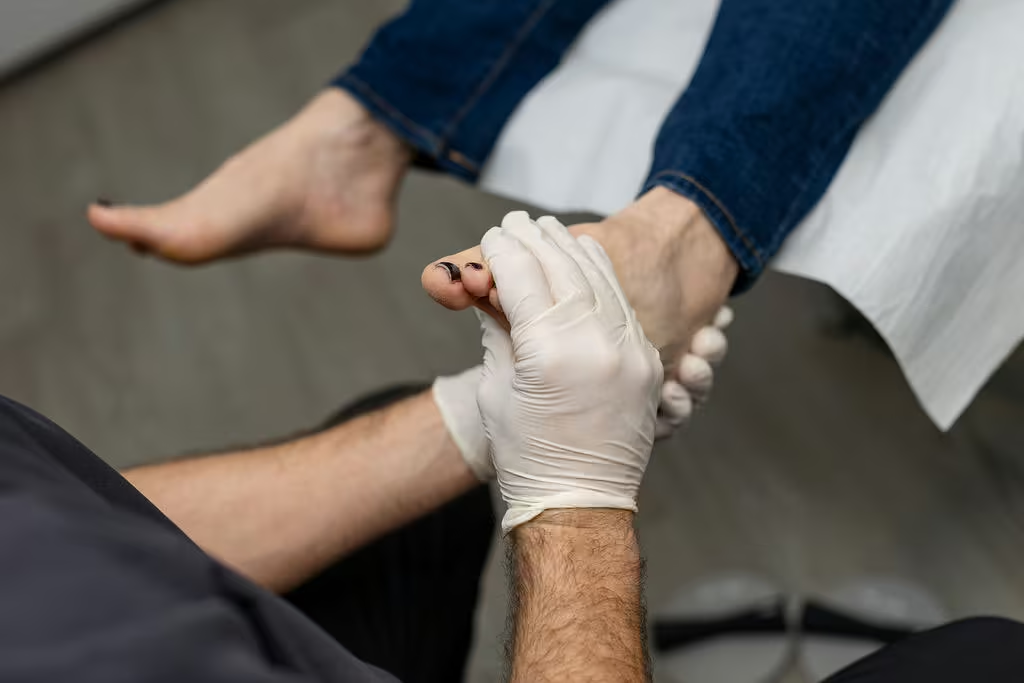
Manual therapy is a hands-on treatment approach used to improve joint movement, reduce muscle tension and relieve pain. It is often used alongside exercise, shockwave therapy, orthoses and rehabilitation programmes to support recovery and restore normal movement.
At Feet First Podiatry Clinic, manual therapy is applied selectively and purposefully, based on clinical findings, to address stiffness, restriction or overload contributing to foot, ankle or lower-limb pain.
What Manual Therapy is Used For
Manual therapy may be helpful for:
- Foot and ankle stiffness
- Heel pain and plantar fasciitis
- Achilles and calf tightness
- Ankle sprains and instability
- Joint restriction following injury
- Forefoot pain
- Reduced mobility affecting walking or running
- Muscle tightness contributing to pain or altered movement
It is most effective when combined with a structured treatment plan.
Types of Manual Therapy We Use
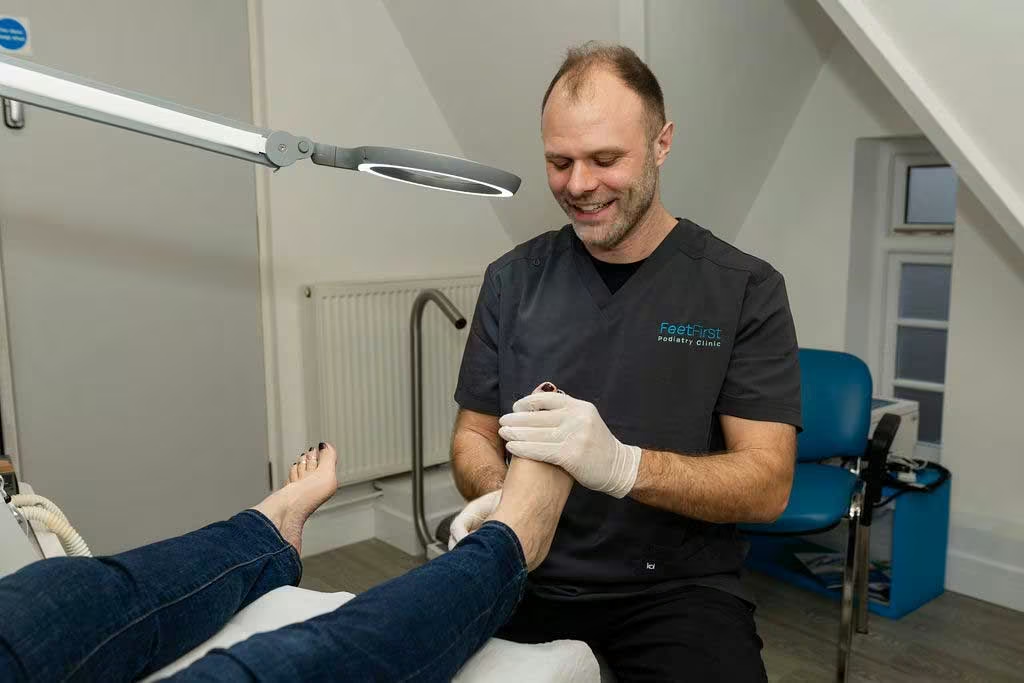
Depending on your assessment, manual therapy may include:
- Joint mobilisation to improve movement
- Soft tissue techniques for muscle and tendon tension
- Myofascial release
- Trigger point techniques
- Assisted stretching
- Mobilisation of stiff or restricted joints
All techniques are applied within your comfort level.
How Manual Therapy Helps
Manual therapy can:
- Reduce pain and muscle tension
- Improve joint mobility
- Restore more normal movement patterns
- Support rehabilitation exercises
- Improve comfort during walking and activity
- Help break the cycle of stiffness and overload
It addresses movement restrictions that exercises alone may not resolve.
What to Expect
- Assessment to identify areas of restriction or tension
- Explanation of what will be treated and why
- Hands-on treatment tailored to your needs
- Advice on movement and activity after treatment
- Integration into your overall treatment plan
Treatment is typically comfortable and adapted to individual tolerance.
How Manual Therapy Fits Into Your Care
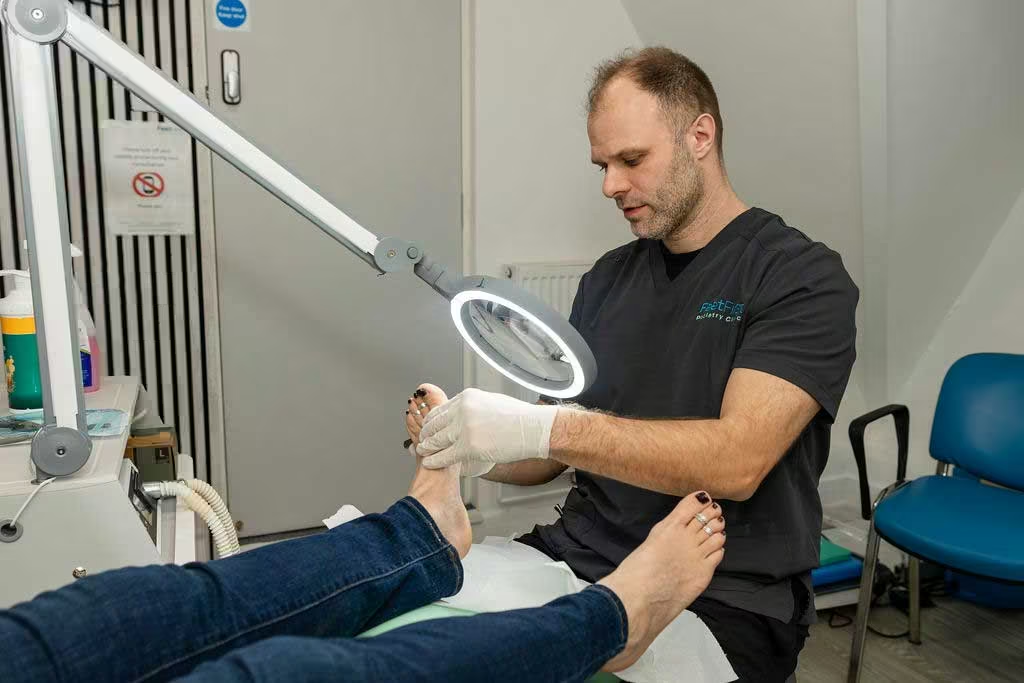
Manual therapy is rarely used in isolation. It is often combined with:
- MSK assessment
- Biomechanical assessment and gait analysis
- Exercise-based rehabilitation
- Shockwave therapy
- Orthoses or insoles
- Footwear and load management advice
This ensures both symptoms and underlying causes are addressed.
When Manual Therapy May Not Be Suitable
Manual therapy may be modified or avoided if there is:
- Acute fracture
- Severe inflammation or infection
- Certain medical conditions affecting joints or bones
Suitability is always assessed before treatment.
FAQs
Frequently Asked Questions
Is manual therapy painful?
It should not be painful. Some techniques may feel uncomfortable, but treatment is always adjusted to your comfort.
How many sessions are needed?
This varies depending on the condition and is discussed as part of your treatment plan.
Will manual therapy fix the problem on its own?
It can help reduce symptoms, but long-term improvement usually requires exercises and addressing underlying causes.
Can I move normally after treatment?
Yes. You may feel looser or mildly sore, but normal activity is usually encouraged.