
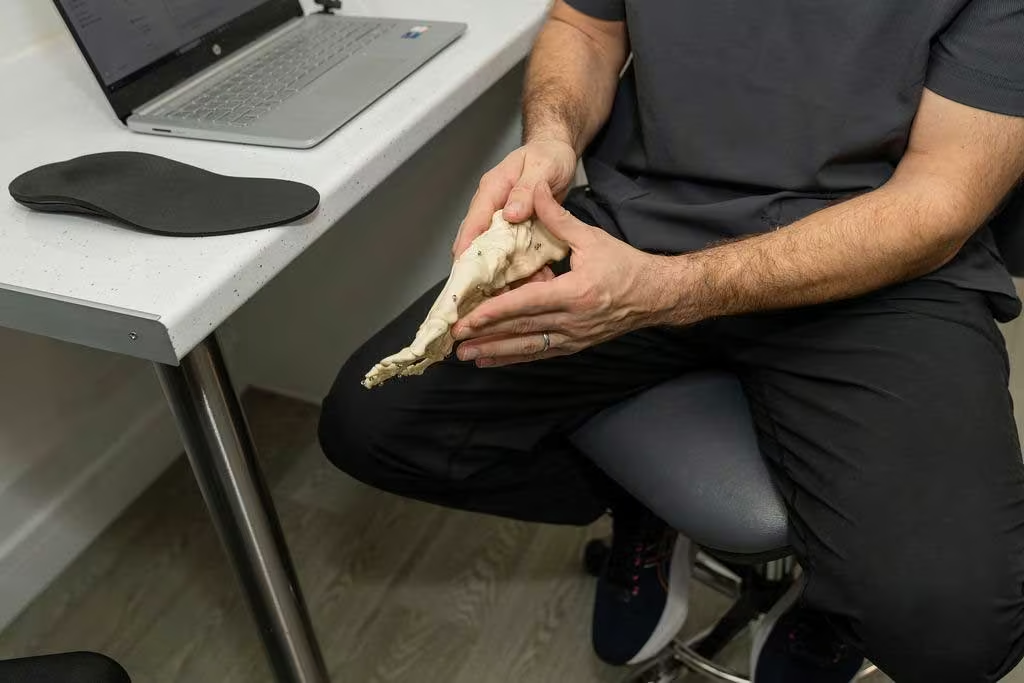
Flat Feet Treatment at Feet First Podiatry Clinic
Flat feet (also known as fallen arches or pes planus) are common and can range from completely symptom-free to causing significant pain in the feet, ankles, knees, hips or lower back. At Feet First Podiatry Clinic, we assess how your arches function during standing and walking, identify the underlying cause, and create a tailored plan to improve comfort and performance.
Why Patients Choose Us
- Specialist biomechanical assessment
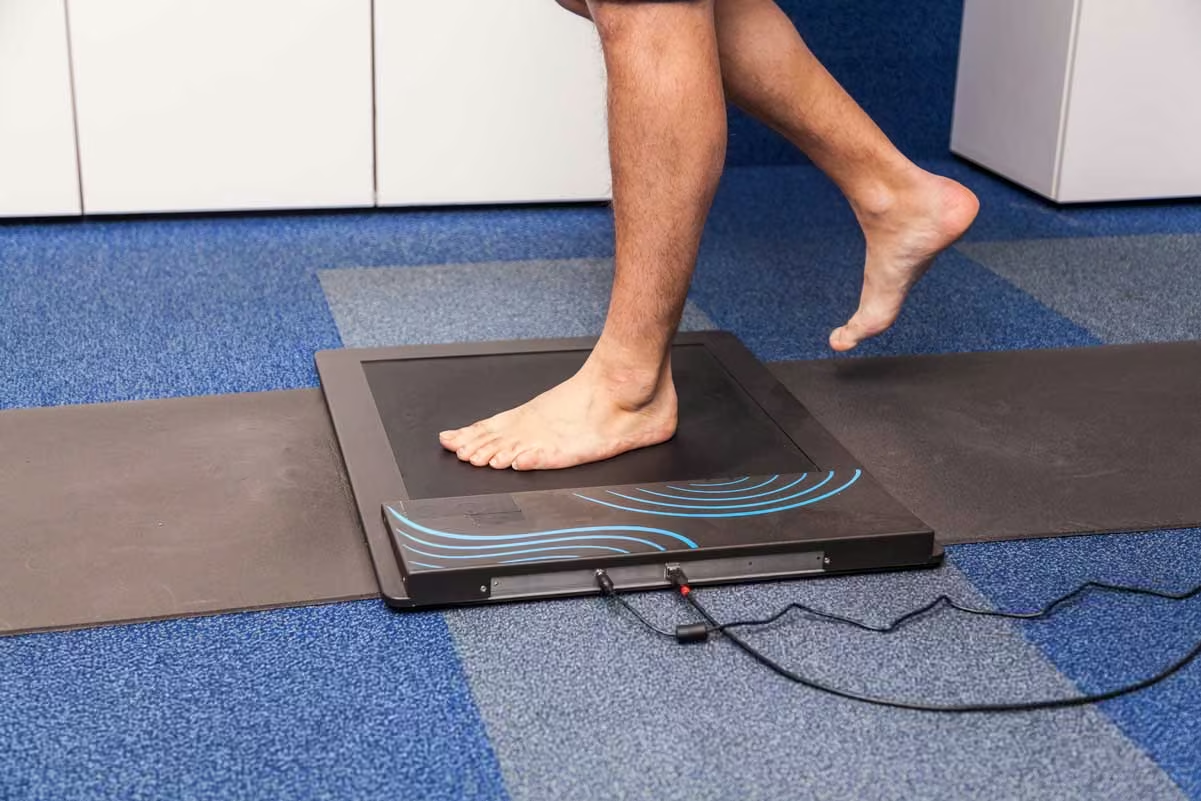
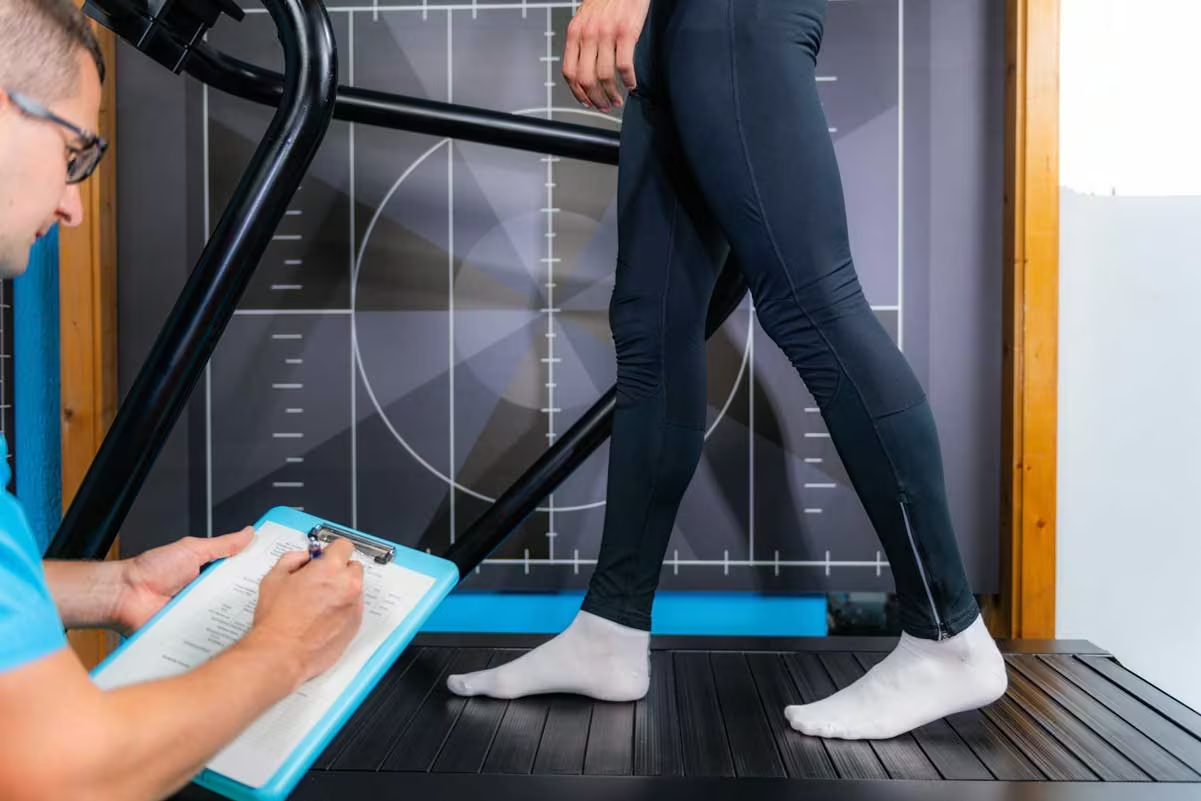
- Footscan® pressure analysis & video gait analysis
- 3D-printed custom orthotics (Phits) where beneficial
- Strengthening & mobility guidance
- Expertise in sports-related flat foot issues
- Friendly, knowledgeable podiatrists
What We Treat
We help with:
- Flat feet / low arches
- Collapsing arches when standing or walking
- Pain in arches, heels or ankles
- Knee, hip or lower back discomfort linked to foot posture
- Overpronation during running or sport
- Fatigue in the legs or feet
- Children’s flat feet & concerns about development
Suitable for adults, children, athletes, walkers and anyone experiencing discomfort or instability.
Causes and Diagnosis
Flat feet can be caused by:
- Genetics
- Ligament laxity
- Muscle weakness (tibialis posterior, intrinsic foot muscles)
- Tight calves or Achilles tendon
- Previous injury
- Excessive pronation during gait
- Age-related changes
During your assessment we examine:
- Foot posture in standing and walking
- Arch height and flexibility
- Muscle strength and mobility
- Footscan® pressure distribution
- Footwear patterns
- Lower-limb alignment
This allows us to determine whether your flat feet are flexible, rigid, structural or functional — and what treatment will help most.
How We Treat Flat Feet
Strengthening & Mobility Programmes
We provide tailored exercises to improve:
- Intrinsic foot muscle strength
- Tibialis posterior activation
- Calf and hamstring flexibility
- Stability and control during walking and running
Footwear Guidance
Supportive, well-fitted footwear can dramatically reduce discomfort. We advise on suitable styles for work, walking or sport.
Custom 3D-Printed Orthotics (Phits)
When needed, orthotics help:
- Support the arch
- Reduce overpronation
- Improve alignment
- Reduce pain in the feet, knees or hips
- Distribute pressure evenly
Phits orthotics are designed from your Footscan® and tailored to your movement pattern.
Activity & Load Management
We guide you on running technique, training volume and strategies for avoiding flare-ups.
Treatment of Associated Issues
Flat feet often link to:
- Plantar fasciitis
- Tibialis posterior dysfunction
- Achilles tendon problems
- Knee pain
- Fatigue and instability
We treat all contributing factors.
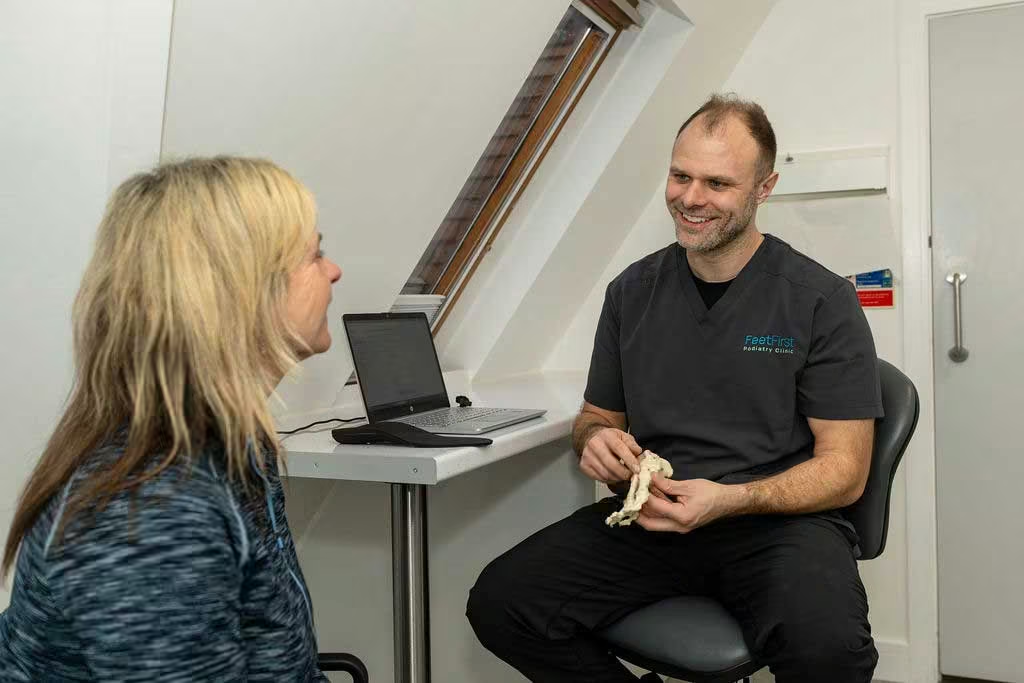
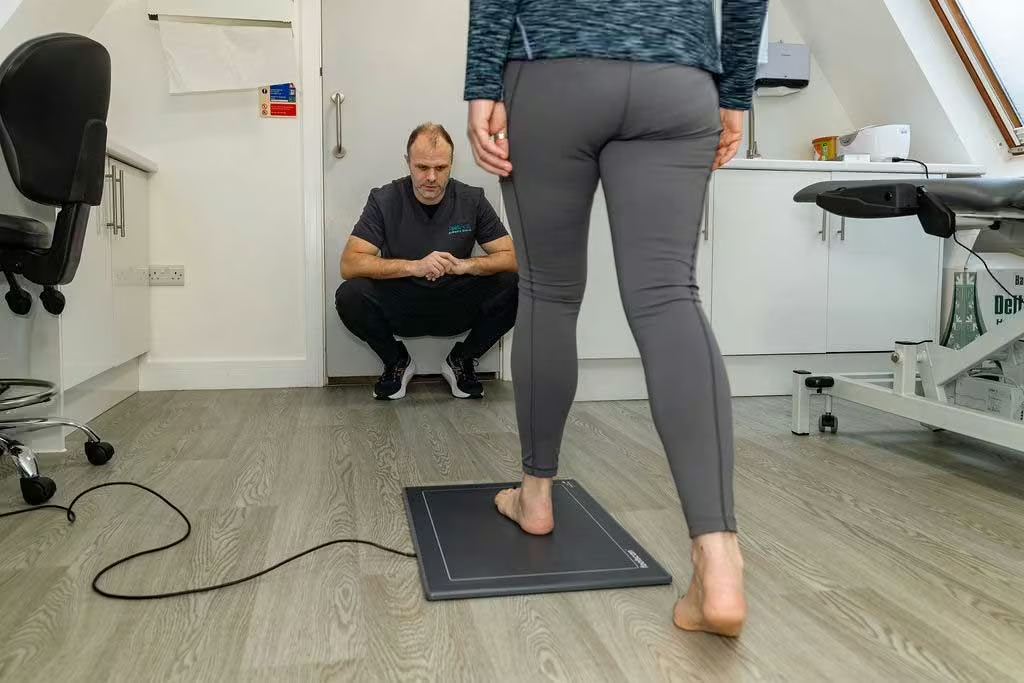
What to Expect
- Biomechanical and gait assessment
- Footscan® and video analysis
- Diagnosis and explanation
- Treatment plan including exercises, footwear and orthotics if needed
- Follow-up to monitor progress
When to Seek Help
Book an appointment if:
- Your feet, ankles or knees hurt when walking or running
- You’re concerned your child’s arches are not developing normally
- Your arches collapse and cause fatigue
- You’ve developed pain after increasing activity
- You’ve been told you “overpronate”
- You want to improve walking or running efficiency
FAQs
Frequently Asked Questions
Are flat feet always a problem?
No — many people have flat feet with no symptoms. Treatment is needed only if there is pain or dysfunction.
Can flat feet be corrected?
The arch shape itself may not change, but pain and function improve significantly with the right treatment.
Do orthotics help flat feet?
Yes — especially for overpronation or pain affecting the feet, knees or hips.
Are children’s flat feet normal?
Yes, many children naturally have flatter arches. Assessment is recommended if there is pain or instability.
Can exercise improve flat feet?
Strengthening the foot and lower leg muscles often improves stability and reduces symptoms.