
Plantar Fasciitis Treatment at Feet First Podiatry Clinic
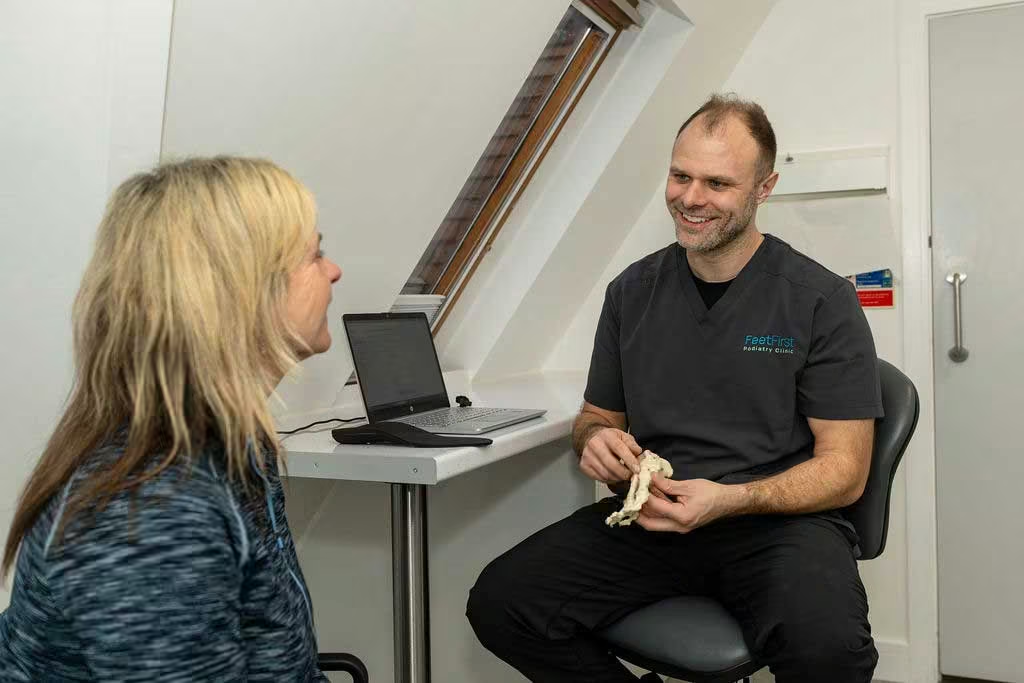
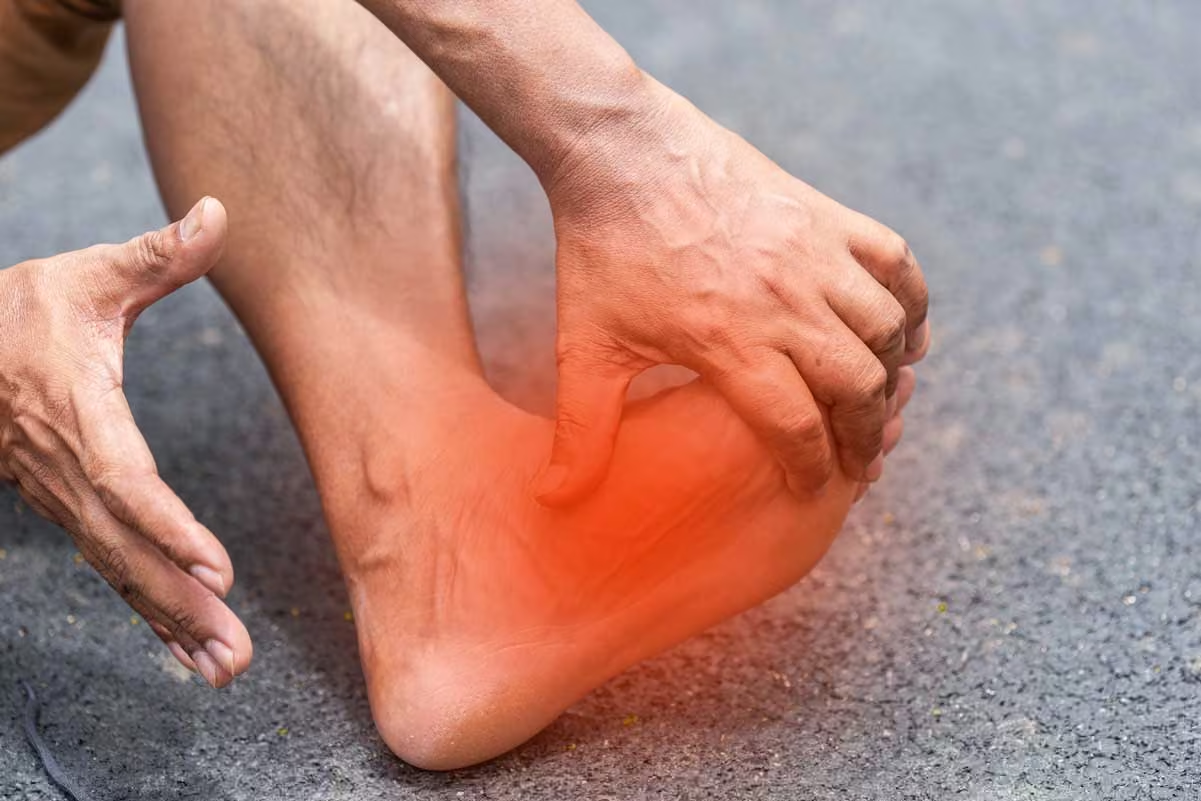
Plantar fasciitis is the most common cause of heel pain. The classic symptom is sharp pain during the first steps in the morning or after rest. At Feet First Podiatry Clinic, we combine expert assessment and evidence-based treatment — including shockwave therapy, orthotics and injection therapy where appropriate — to get you back on your feet quickly.
Why Patients Choose Us
- Specialist biomechanical assessment
- Injection therapy for stubborn or severe pain
- Shockwave therapy for chronic cases
- Custom 3D-printed orthotics (Phits)
- Tailored strengthening & mobility plans
What We Treat
- Classic plantar fasciitis
- Sharp heel pain on first steps
- Pain after walking, standing or sport
- Heel pain linked to flat feet or overpronation
- Chronic or recurrent heel pain
- Heel pain not responding to home exercises
- Uncertain diagnosis (heel pain of unknown cause)
Causes and Diagnosis
Plantar fasciitis develops when the plantar fascia becomes irritated or overloaded. Contributing factors include:
- Flat feet or high arches
- Tight calves or reduced ankle mobility
- Overpronation
- Sudden increase in training
- Long periods standing
- Unsupportive footwear
- Weak intrinsic foot muscles
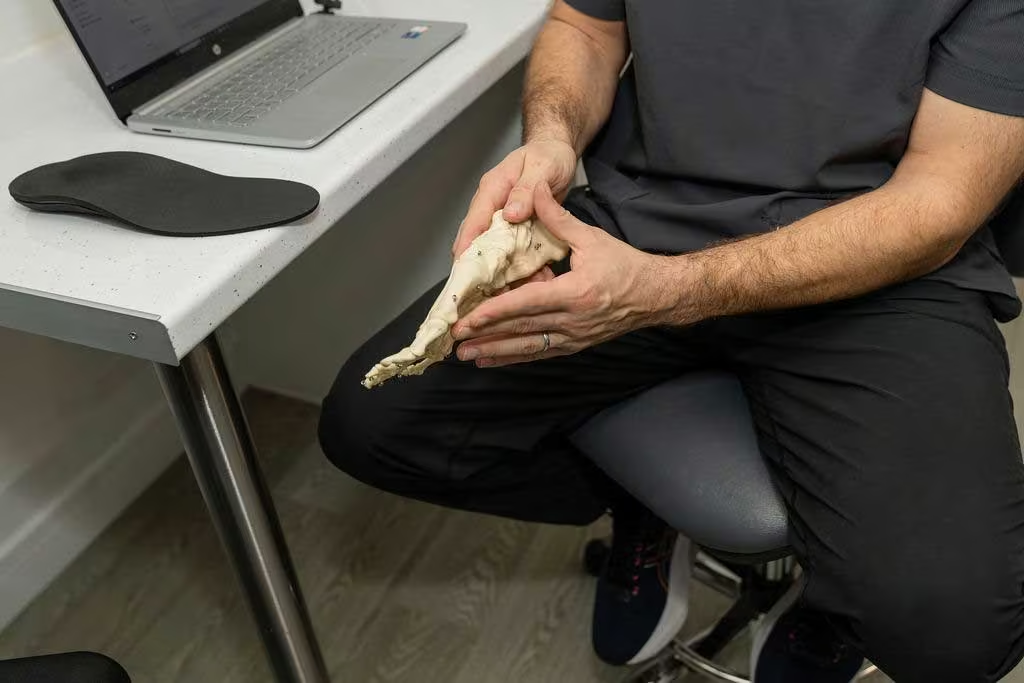
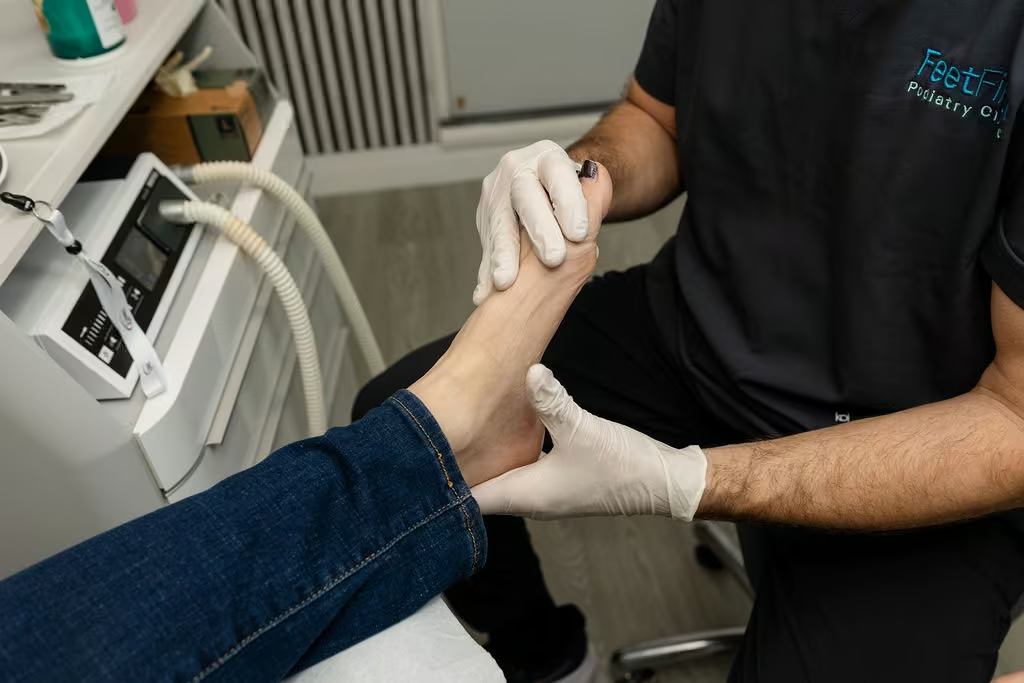
During your appointment we assess:
- Foot posture and arch function
- Gait pattern and pressure distribution
- Strength and mobility
- Footwear habits
- Training load and activity level
How We Treat Plantar Fasciitis
Shockwave Therapy (ESWT)
Highly effective for persistent plantar fasciitis. Helps to:
- Reduce pain
- Stimulate tissue healing
- Improve mobility
- Speed up recovery
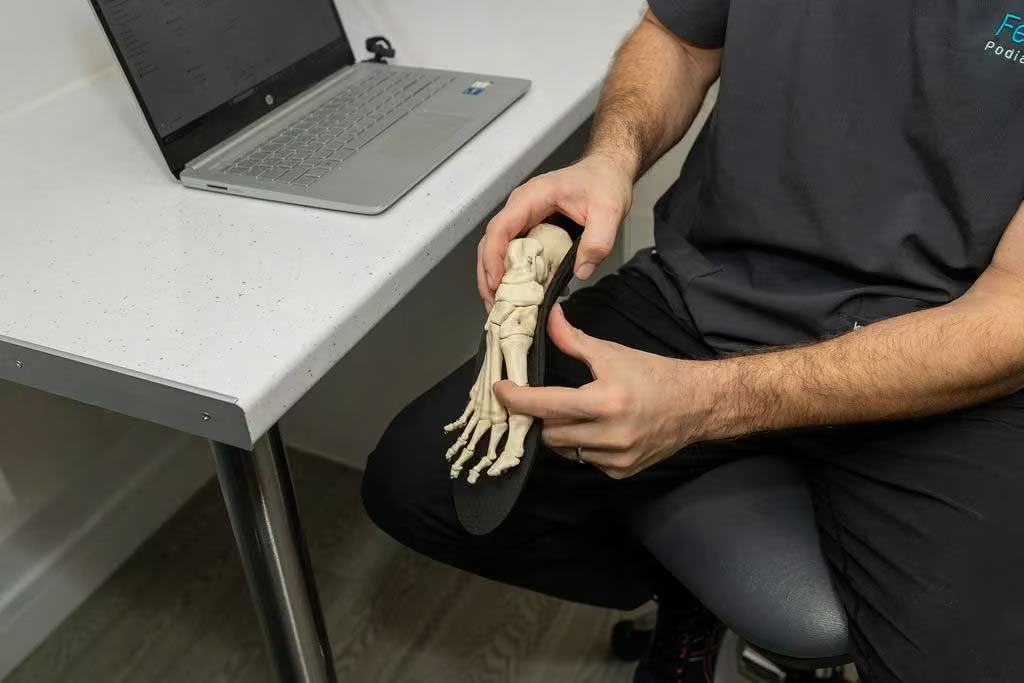
Custom 3D-Printed Orthotics (Phits)
Designed using your Footscan® analysis, orthotics:
- Reduce strain on the plantar fascia
- Improve foot posture
- Reduce overpronation
- Provide long-term support for walking and running
Strengthening & Mobility Programme
We prescribe exercises to improve:
- Calf and hamstring flexibility
- Plantar fascia mobility
- Foot muscle strength
- Stability during walking and running
Taping & Padding
Short-term relief by reducing tension on the plantar fascia and improving comfort.
Footwear Guidance
Recommending shoes that:
- Support the arch
- Cushion the heel
- Reduce overload on the plantar fascia
Activity & Load Management
Adjusting training or walking volume to allow recovery without complete rest.
What to Expect
- Biomechanical and gait assessment
- Footscan® pressure mapping
- Diagnosis and explanation
- Personalised treatment plan
- Shockwave, orthotics or injection therapy if indicated
- Follow-up plan to monitor improvement
Most patients see improvement within 2–6 weeks, depending on severity and treatment chosen.
When to Seek Help
Book an appointment if:
- You have morning heel pain
- Pain affects work, walking or exercise
- Home stretches haven’t helped
- Pain has lasted more than 2–3 weeks
- You’re considering shockwave or injection therapy
- Pain is becoming chronic or worsening
FAQs
Frequently Asked Questions
Is plantar fasciitis the same as a heel spur?
No — spurs rarely cause pain. Plantar fasciitis is the more common issue.
Do steroid injections help plantar fasciitis?
Yes, for the right patient. They reduce inflammation and can break the pain cycle.
Is shockwave therapy effective?
Yes — especially for chronic plantar fasciitis.
Do orthotics help?
Yes — they reduce strain and support the arch.