Sever’s Disease Treatment at Feet First Podiatry Clinic
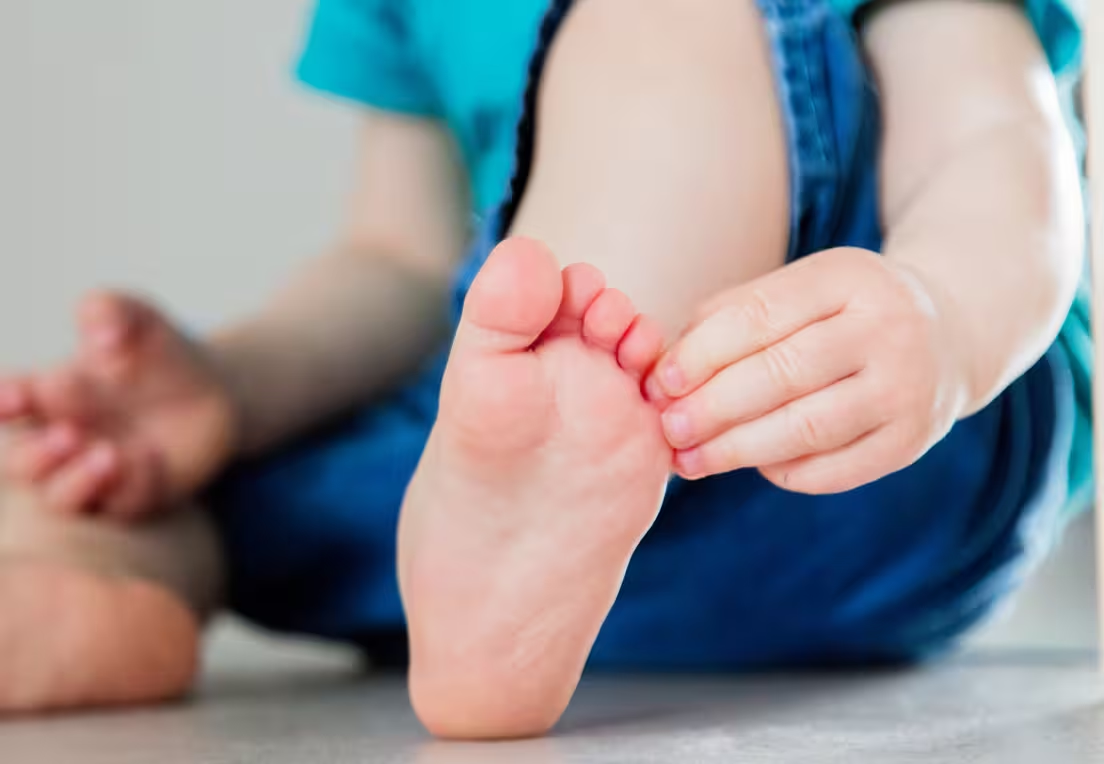
Sever’s Disease (calcaneal apophysitis) is the most common cause of heel pain in growing children. It typically affects active kids aged 8–14 and occurs when the heel growth plate becomes irritated by repeated pulling from the Achilles tendon. At Feet First Podiatry Clinic, we provide accurate diagnosis, Footscan® analysis, footwear guidance and a tailored treatment plan to support comfortable, active movement.
Why Parents Choose Us
- Specialist assessment of children’s heel pain
- Footscan® pressure and gait analysis
- Tailored exercise programmes for young athletes
- Clear advice and reassurance for parents
- Orthotics when needed to support foot posture
- Safe, child-friendly environment
What We Treat
Common symptoms of Sever’s Disease include:
- Heel pain during or after running, jumping or sport
- Pain when squeezing the sides of the heel
- Limping or walking on tiptoes
- Stiffness in the morning or after rest
- Pain that worsens during growth spurts
- Discomfort in boots or sports footwear
Suitable for children aged 8–14, especially those active in football, rugby, athletics, netball and gymnastics.
Causes and Diagnosis
Sever’s Disease occurs due to irritation of the heel bone’s growth plate, which is softer and more vulnerable during childhood. Contributing factors include:
- Rapid growth spurts
- Tight calf muscles or reduced ankle mobility
- High activity levels
- Running and jumping sports
- Flat feet or overpronation
- High-arched feet with increased heel impact
- Hard ground surfaces
- Unsupportive or worn-out footwear
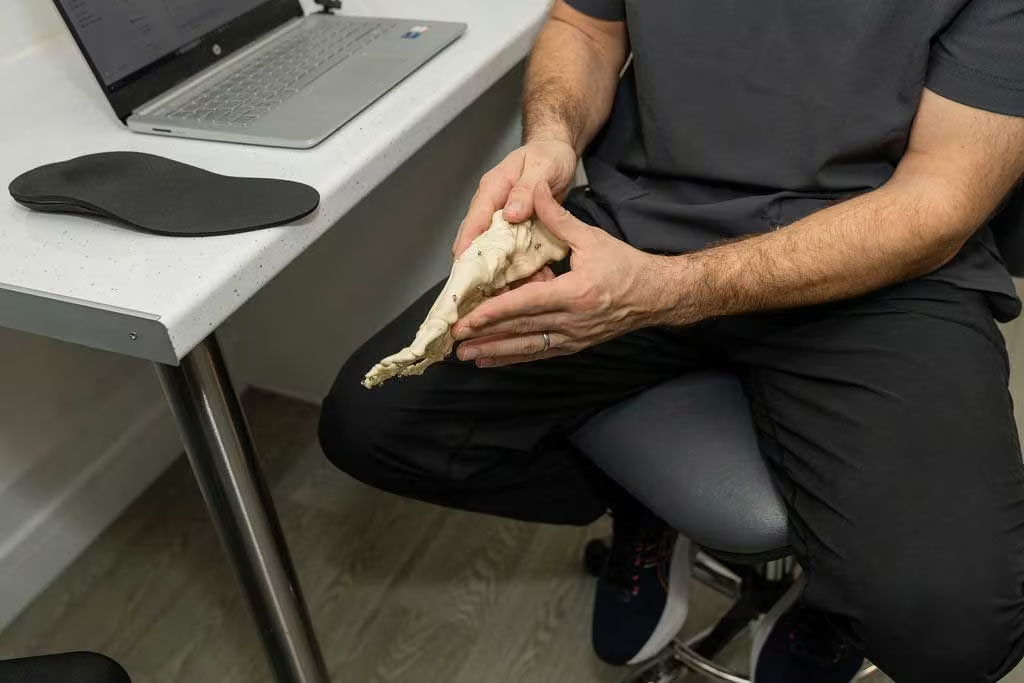
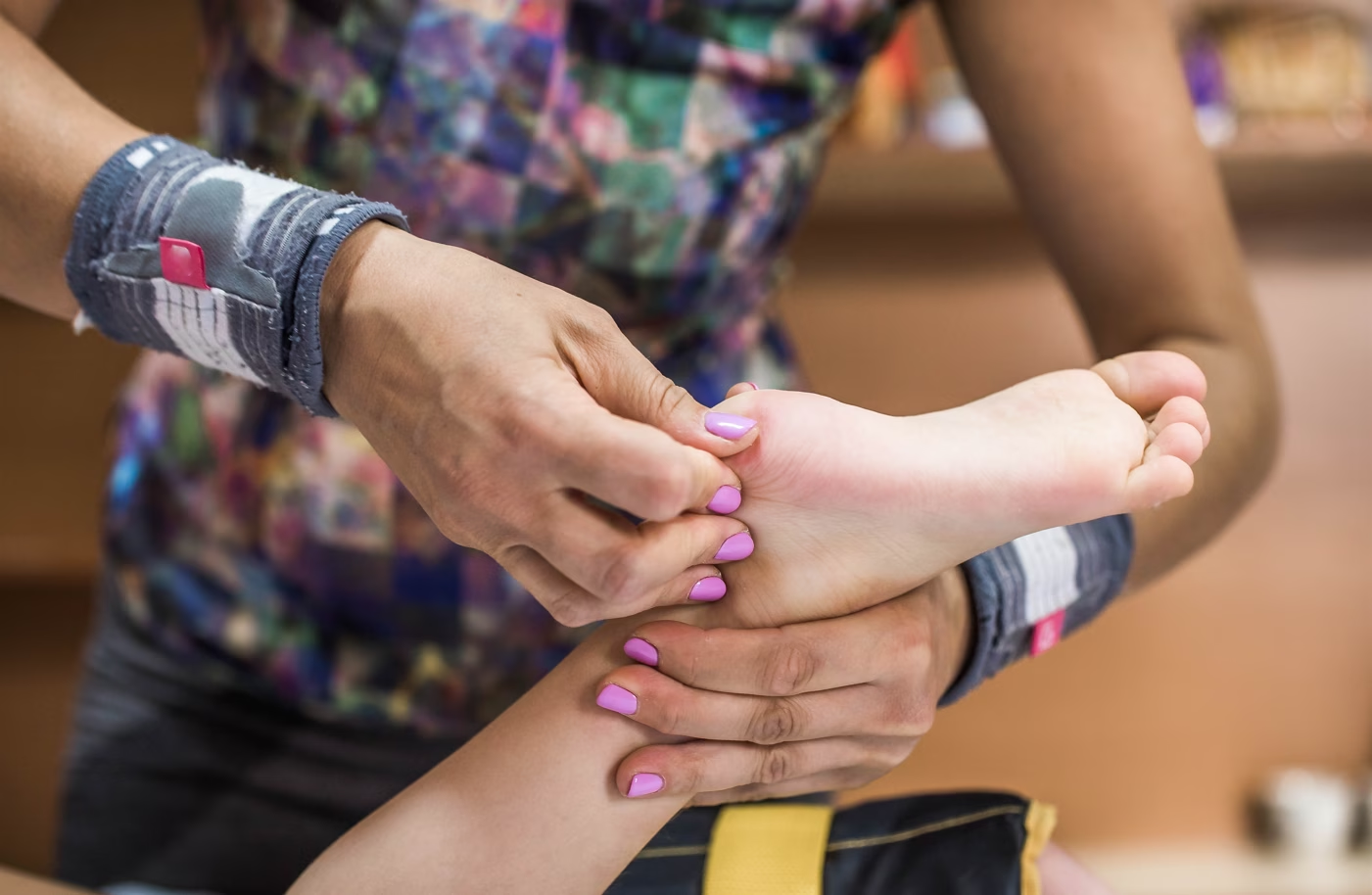
During your child’s assessment we examine:
- Foot and heel posture
- Achilles tendon flexibility
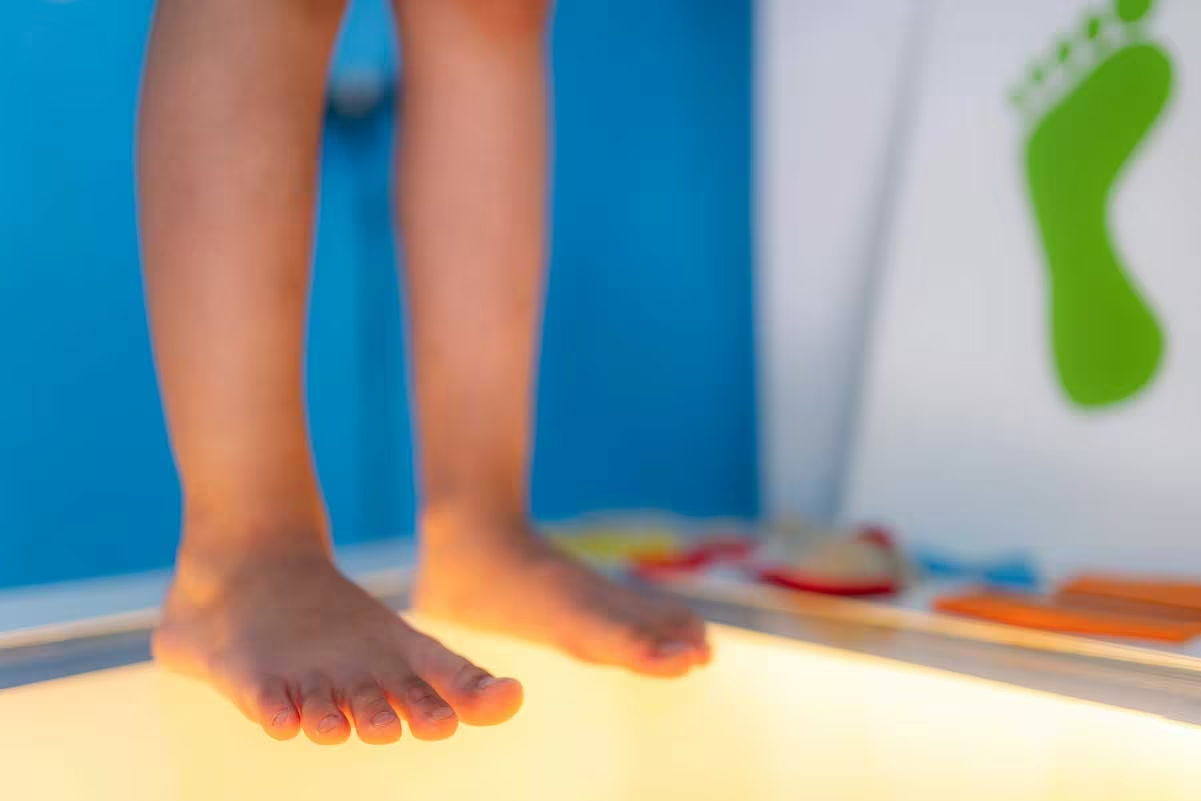
- Gait pattern and Footscan® pressure distribution
- Footwear suitability
- Contribution from flat feet or high arches
This ensures we confirm the diagnosis and rule out other causes of heel pain.
How We Treat Sever’s Disease
Activity Modification
We help manage training load to reduce pain without stopping activity completely.
Stretching & Strengthening Programme
Exercises designed for children to improve:
- Calf flexibility
- Achilles mobility
- Foot muscle strength
- Lower-limb control
Heel Cushioning & Offloading
Use of:
- Heel cups
- Shock-absorbing insoles
- Temporary footwear adaptations
These reduce impact on the heel growth plate.
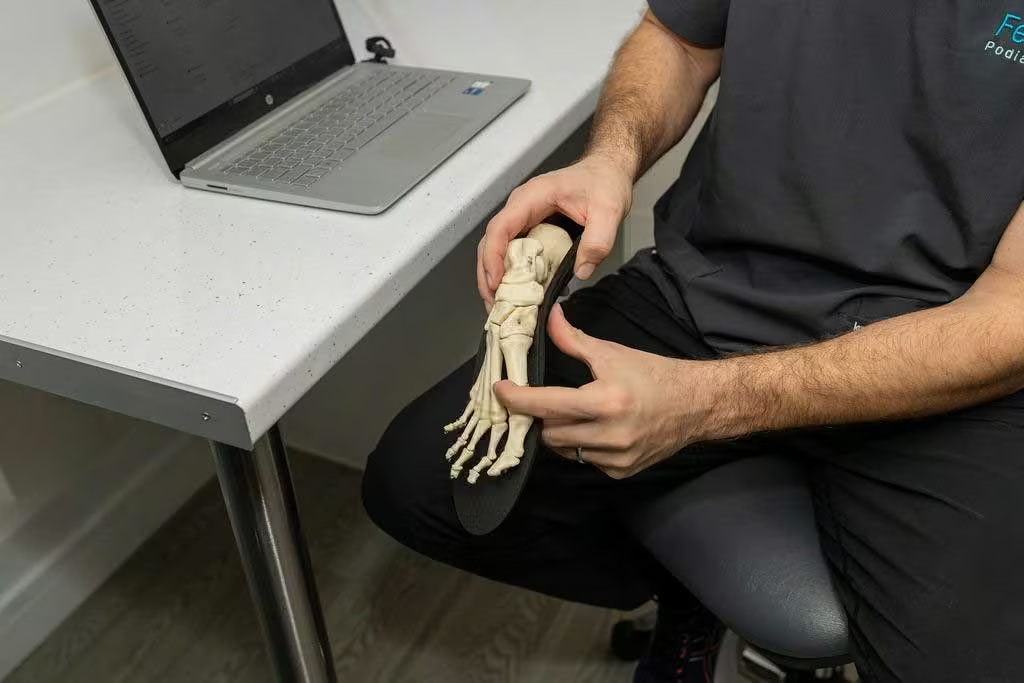
Custom Orthotics (When Needed)
Used when biomechanics contribute (flat feet, overpronation, high arches). Orthotics help:
- Improve alignment
- Reduce strain on the Achilles
- Reduce impact forces
- Improve walking and running comfort
Footwear Guidance
We advise on:
- Supportive trainers
- Correct sizing
- Avoiding overly rigid boots
- Strategies for football and rugby boot comfort
Education & Reassurance
Sever’s Disease is self-limiting — the growth plate naturally strengthens as your child matures. We focus on managing symptoms and supporting ongoing activity.
What to Expect
- Child-friendly consultation
- Foot posture, strength and gait assessment
- Footscan® pressure analysis
- Clear diagnosis and explanation
- Exercise and activity plan
- Heel support, orthotics or footwear advice
- Follow-up if needed during growth phases
Most children improve within 2–8 weeks, depending on activity levels.
When to Seek Help
Book an appointment if:
- Your child complains of heel pain during or after sport
- Pain worsens during growth spurts
- They are limping or avoiding activity
- Football or rugby boots aggravate symptoms
- Heel pain lasts more than 1–2 weeks
- You want reassurance and a clear treatment plan
FAQs
Frequently Asked Questions
Is Sever’s Disease serious?
No — it’s a temporary, growth-related condition, but it can cause significant discomfort.
Does my child need to stop sport?
Not usually. We guide you on modifying rather than stopping activity.
Can orthotics help?
Yes — especially if flat feet, high arches or biomechanics contribute to heel stress.
How long does it last?
Symptoms typically settle as growth slows, but can flare up during activity spikes.
Is it the same as plantar fasciitis?
No — Sever’s affects the heel growth plate, not the plantar fascia.