

Morton’s Neuroma at Feet First
Morton’s neuroma is a painful condition affecting the nerve between the toes, most commonly between the third and fourth toes. It can cause sharp, burning or shooting pain in the ball of the foot and often feels like walking on a pebble or having something bunched up under the foot.
At Feet First, we focus on accurate diagnosis and appropriate treatment, helping to reduce pain, restore comfort and prevent symptoms from becoming long-term.
Common Symptoms
People with Morton’s neuroma often describe:
- Sharp or burning pain in the ball of the foot
- Tingling, numbness or pins and needles in the toes
- A feeling of walking on a lump or pebble
- Pain that worsens with walking or tight footwear
Relief when shoes are removed or the foot is massaged
Symptoms may start gradually and worsen over time if not addressed.
What Causes Morton’s Neuroma
Morton’s neuroma develops when a nerve in the forefoot becomes irritated or compressed. Common contributing factors include:
- Tight or narrow footwear
- High-heeled shoes
- Excess pressure through the forefoot
- Foot mechanics that overload the ball of the foot
- Flat feet or high-arched feet
- Repetitive impact or sporting activity
It is not a tumour, but a thickening of nerve tissue caused by irritation.
How We Diagnose Morton’s Neuroma
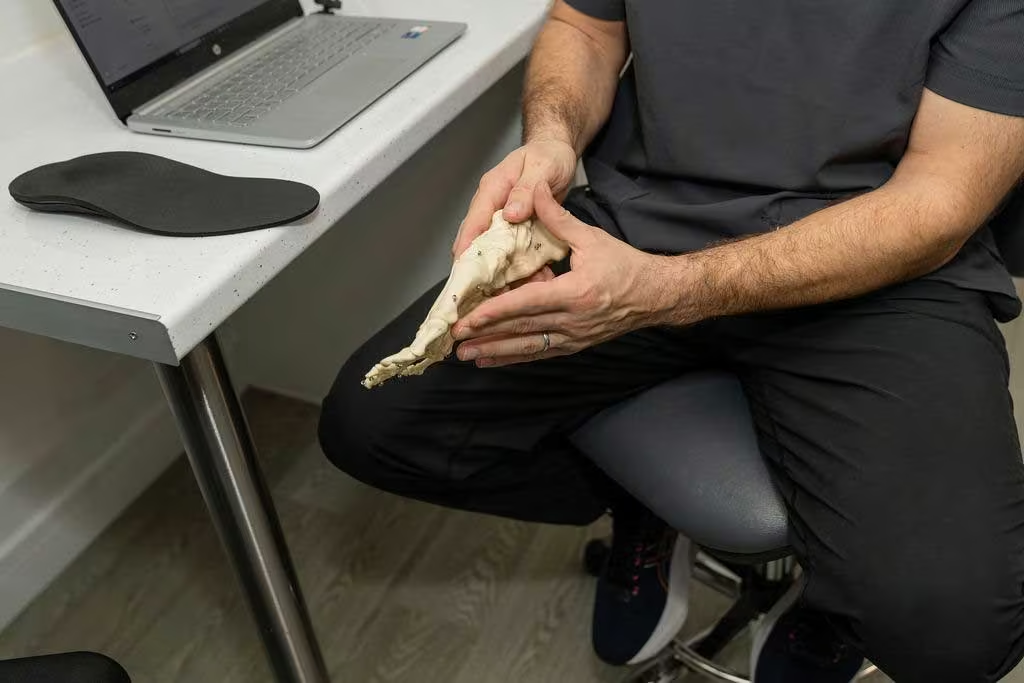
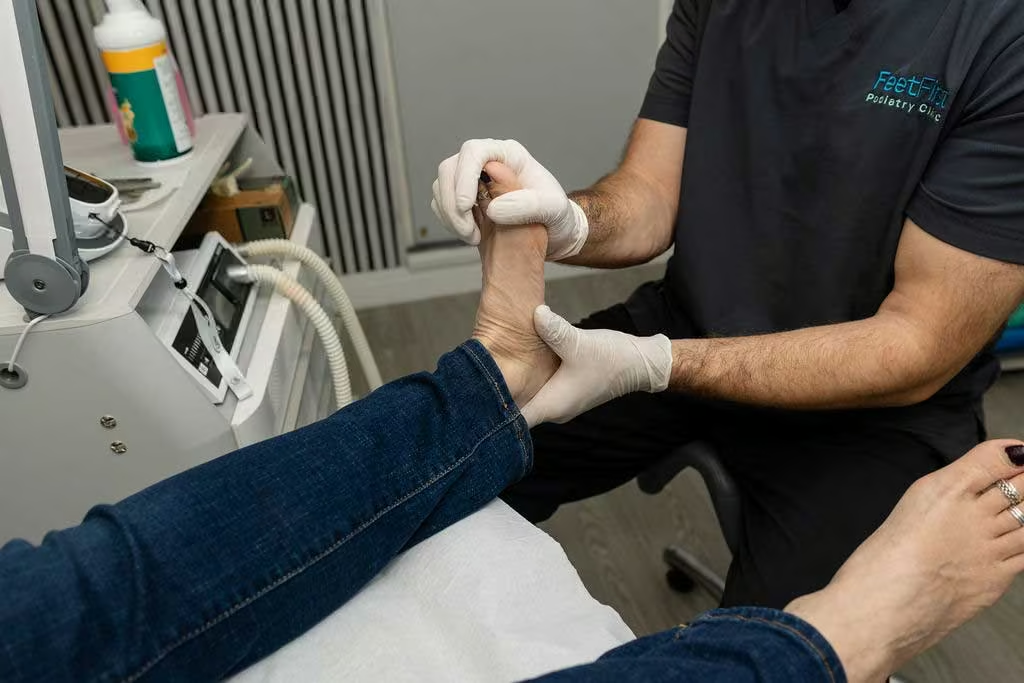
Diagnosis is based on a combination of:
- Detailed discussion of your symptoms
- Clinical examination of the forefoot
- Palpation and compression tests
- Assessment of foot posture and loading
- Footwear review
Imaging is only used when necessary to confirm the diagnosis or guide treatment.
Treatment Options
Treatment is tailored to your symptoms and may include:
- Footwear advice and modification
- Padding or offloading to reduce nerve pressure
- Custom or semi-custom orthoses
- Activity modification
- Ongoing review and adjustment of treatment
Surgery is rarely the first option and is only considered if conservative treatment has not been successful.
What to Expect at Your Appointment
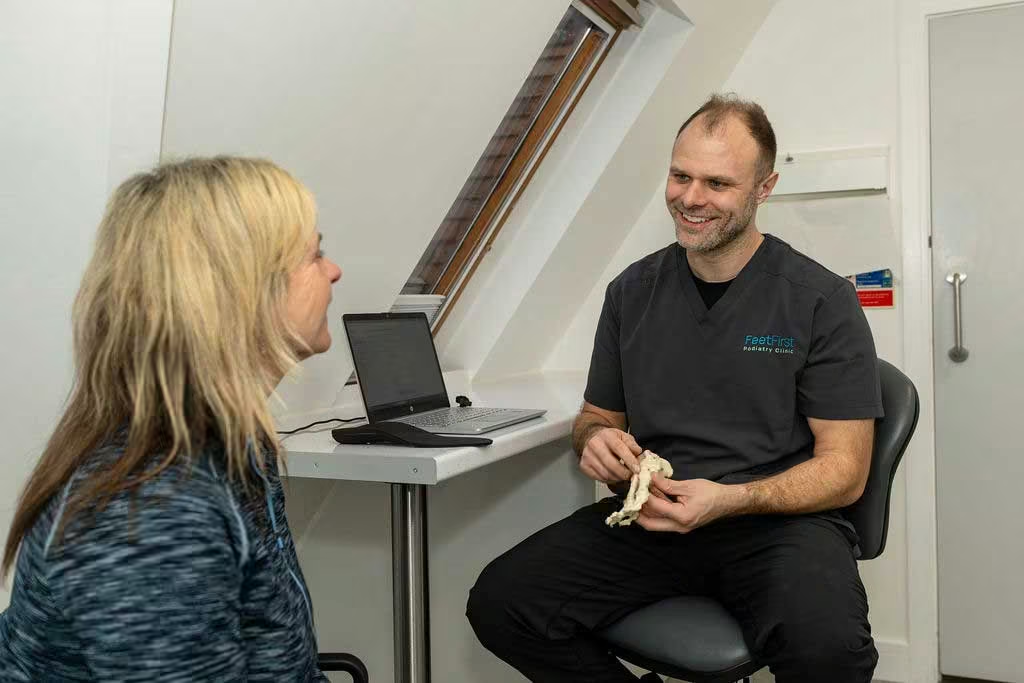
- Full discussion of your symptoms and history
- Clinical examination of the foot
- Clear explanation of findings
- Personalised treatment plan
- Treatment started where appropriate
Our focus is always on conservative, evidence-based care first.
When to Seek Help
You should consider an assessment if:
- Forefoot pain is persistent or worsening
- You experience numbness or burning in the toes
- Pain affects walking or daily activity
- Changing footwear has not helped
Early assessment often leads to better outcomes.
FAQs
Frequently Asked Questions
Is Morton’s neuroma permanent?
Symptoms can often be managed successfully, especially when treated early.
Do I need surgery?
Most cases respond well to conservative treatment. Surgery is only considered when other options have failed.
Can orthoses help?
Yes. Orthoses can reduce pressure on the nerve and improve symptoms.
Is imaging always required?
No. Imaging is only used when clinically indicated.
Do I need a referral?
No. You can book directly.