Sports Injury Treatment at Feet First Podiatry Clinic
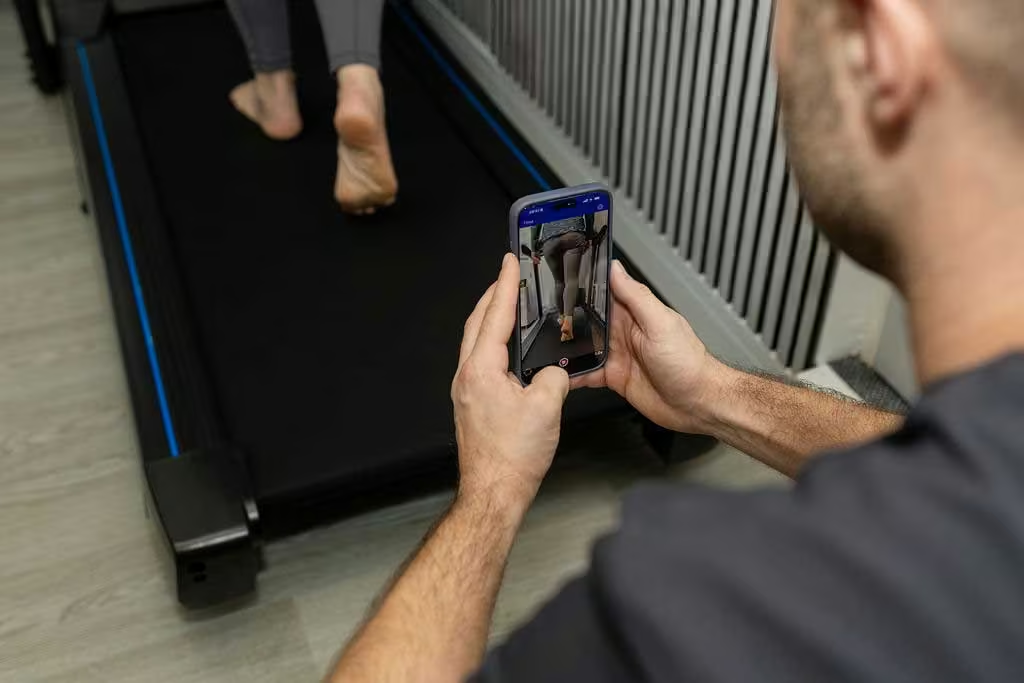
Whether you’re a runner, gym-goer, team athlete or weekend walker, sports injuries can be frustrating and limit performance. At Feet First Podiatry Clinic, we use detailed biomechanical assessment, Footscan® pressure analysis, ultrasound imaging and personalised rehab plans to diagnose the cause of your injury and get you back to sport safely and quickly.
Why Patients Choose Us
- Specialist sports podiatry expertise
- Ultrasound scanning for precise diagnosis
- Footscan® and gait analysis for movement assessment
- Shockwave therapy for persistent injuries
- Custom 3D-printed orthotics (Phits)
- Tailored strengthening & return-to-sport plans
- Clear communication with coaches and therapists if needed
What We Treat
We manage a wide range of sports-related foot and lower-limb injuries, including:
Foot & Heel
- Plantar fasciitis
- Heel pain and fat pad issues
- Metatarsalgia
- Morton’s neuroma
- Sesamoiditis
- Toe injuries
Achilles & Ankle
- Achilles tendinopathy
- Retrocalcaneal bursitis
- Ankle sprains and instability
- Peroneal tendon issues
- Tibialis posterior dysfunction
Shin & Lower Leg
- Shin splints (medial tibial stress syndrome)
- Stress responses or overload injuries
- Calf strains
Knee & Running Mechanics
- Patellofemoral pain linked to foot posture
- Overpronation-related knee problems
Suitable for runners, gym athletes, footballers, walkers, cyclists, triathletes and those increasing training volume.
Sports-Specific & Work Insoles
We provide solutions and guidance for:
- Running shoes
- Football, rugby and court sports footwear
- Walking boots
- Work boots and safety footwear
Causes and Diagnosis
Sports injuries commonly result from:
- Sudden increases in training load
- Poor biomechanics or foot posture
- Inappropriate or worn-out footwear
- Weakness in key muscle groups
- Reduced ankle mobility
- Overuse or repetitive strain
- Running technique issues
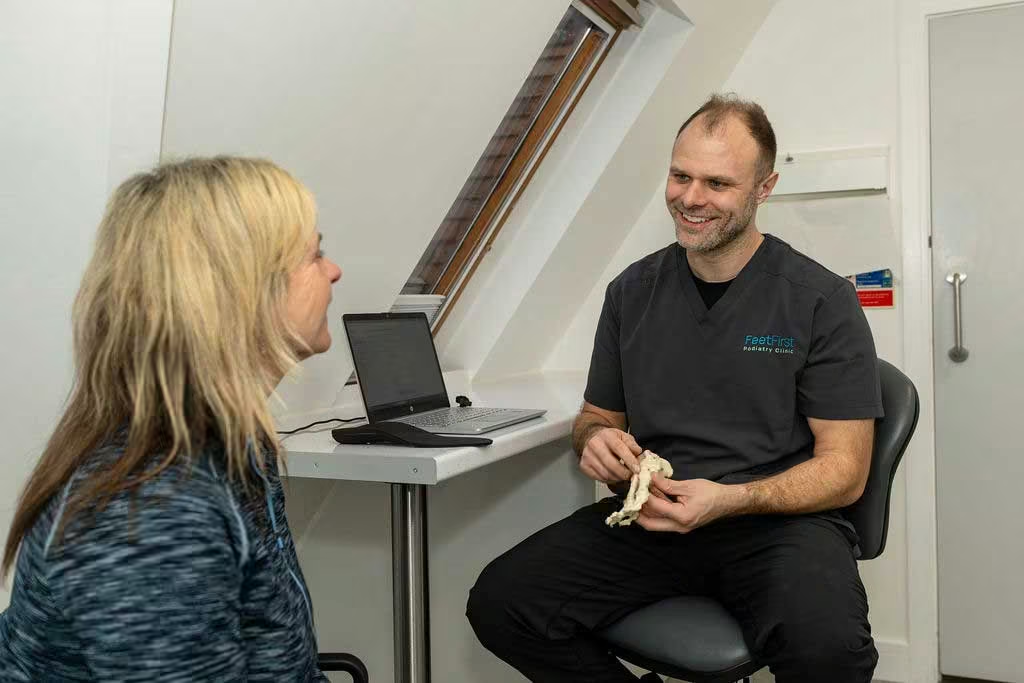
During your assessment we examine:
- Foot posture and arch mechanics
- Gait and running pattern
- Strength and flexibility
- Footscan® pressure distribution
- Activity history and training load
Ultrasound Scanning at Feet First
Ultrasound provides immediate insight into:
- Tendon health (Achilles, peroneal, tibialis posterior)
- Plantar fascia thickness
- Bursitis or inflammation
- Soft tissue injury
- Stress-related changes
This ensures accurate diagnosis and targeted treatment.
How We Treat Sports Injuries
Rehabilitation & Strengthening Programmes
Tailored plans focusing on:
- Tendon and muscle loading
- Strengthening weak areas
- Mobility and flexibility
- Running or sport-specific conditioning
Shockwave Therapy (ESWT)
Ideal for chronic or stubborn conditions such as:
- Plantar fasciitis
- Achilles tendinopathy
- Proximal plantar fasciopathy
- Insertional pain
- Long-term soft tissue overload
Shockwave helps stimulate healing, reduce pain and accelerate return to sport.
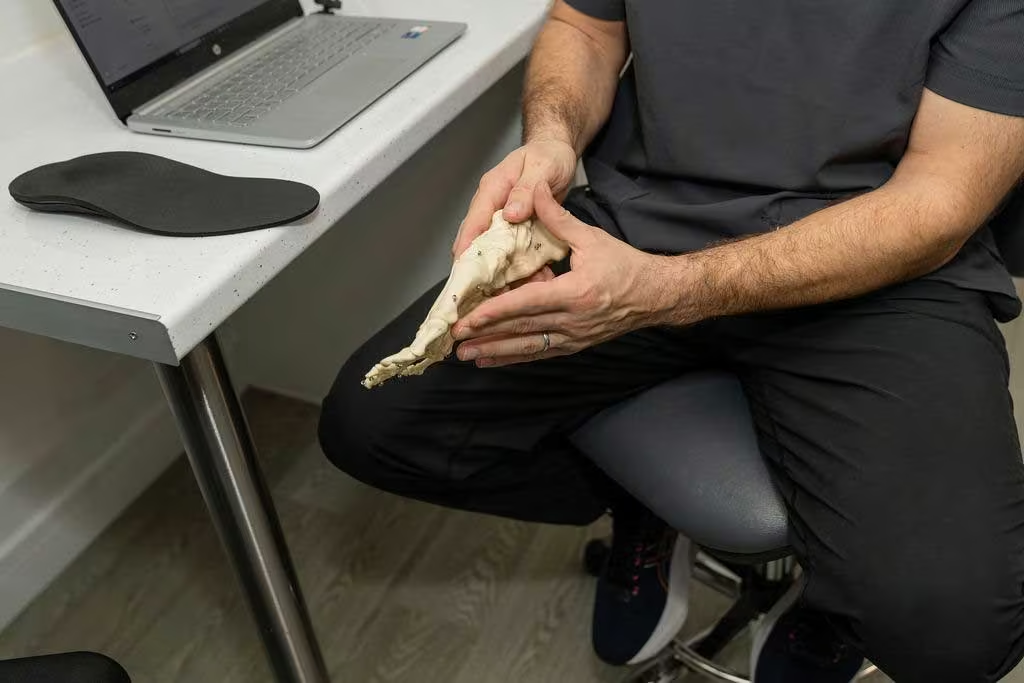
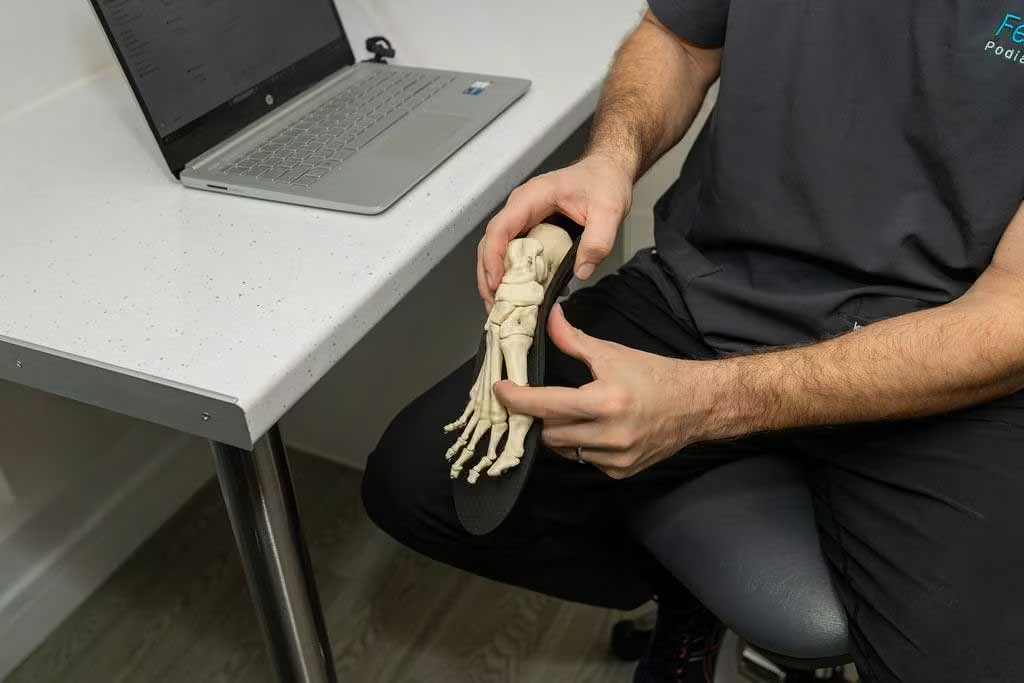
Custom 3D-Printed Orthotics (Phits)
Orthotics designed from your Footscan® data can:
- Improve running mechanics
- Reduce overpronation or overload
- Support foot posture during high-impact activity
- Reduce injury recurrence
Favoured by runners, triathletes and competitive sportspeople.
Taping & Offloading
Short-term support for pain relief during activity or early rehab stages.
Footwear Advice
Guidance on selecting:
- Suitable running shoes
- Sport-specific footwear
- Cushioned or stable styles
- Training shoe rotation strategies
Injection Therapy (When Appropriate)
In selected cases where inflammation is severe or progress is slow, ultrasound-guided corticosteroid injections may be considered for conditions such as:
- Bursitis
- Plantar fasciitis
- Joint irritation
Always used judiciously and alongside rehabilitation.
What to Expect
- Detailed sports and training history
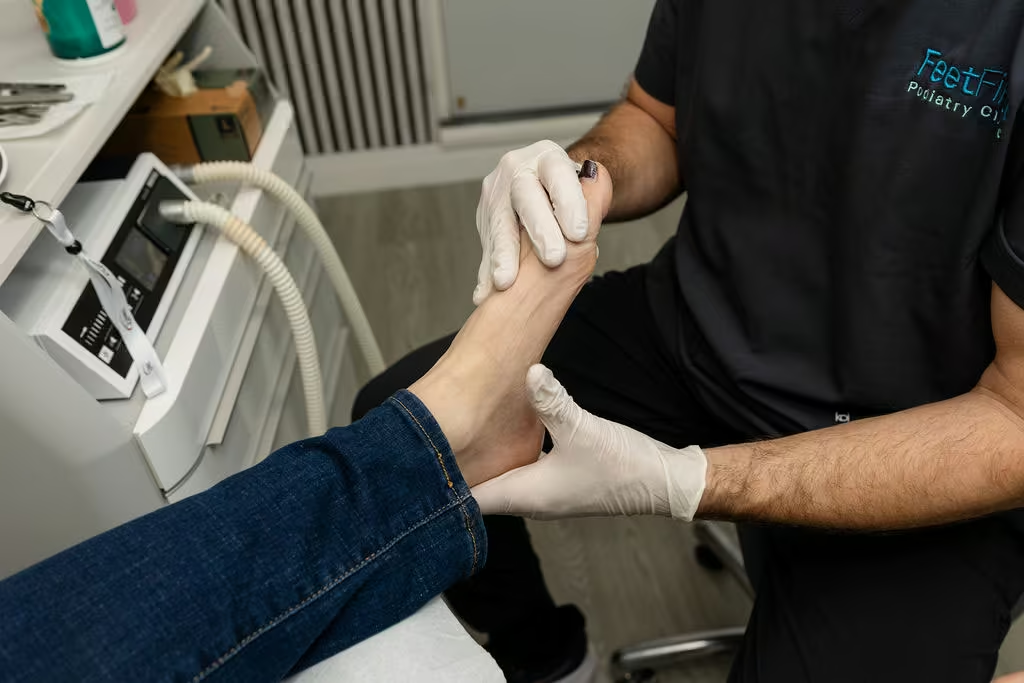
- Biomechanical and gait assessment
- Footscan® pressure analysis
- Ultrasound scan if indicated
- Diagnosis and explanation
- Tailored treatment plan and rehab programme
- Guidance on training load and return to sport
- Follow-up to monitor progress
Most athletes see improvement within 2–6 weeks, depending on injury type and severity.
When to Seek Help
Book an appointment if:
- You are unable to run, train or perform due to pain
- Pain worsens with activity or doesn’t improve with rest
- You experience repeated injuries when increasing training
- You are unsure of the cause of your pain
- You want a clear diagnosis using ultrasound
- You need guidance preparing for an event or race
FAQs
Frequently Asked Questions
Do I need to stop training completely?
Not always — we usually modify load rather than stop activity entirely.
Is ultrasound useful for sports injuries?
Yes — it helps diagnose tendon, fascia and soft tissue injuries quickly and accurately.
Do orthotics help athletes?
Yes — especially for running-related injuries or biomechanical overload.
How long does recovery take?
Most sports injuries improve within 2–6 weeks with correct treatment, though chronic conditions may take longer.
Is shockwave therapy effective?
Yes — especially for chronic tendon and fascia problems.