
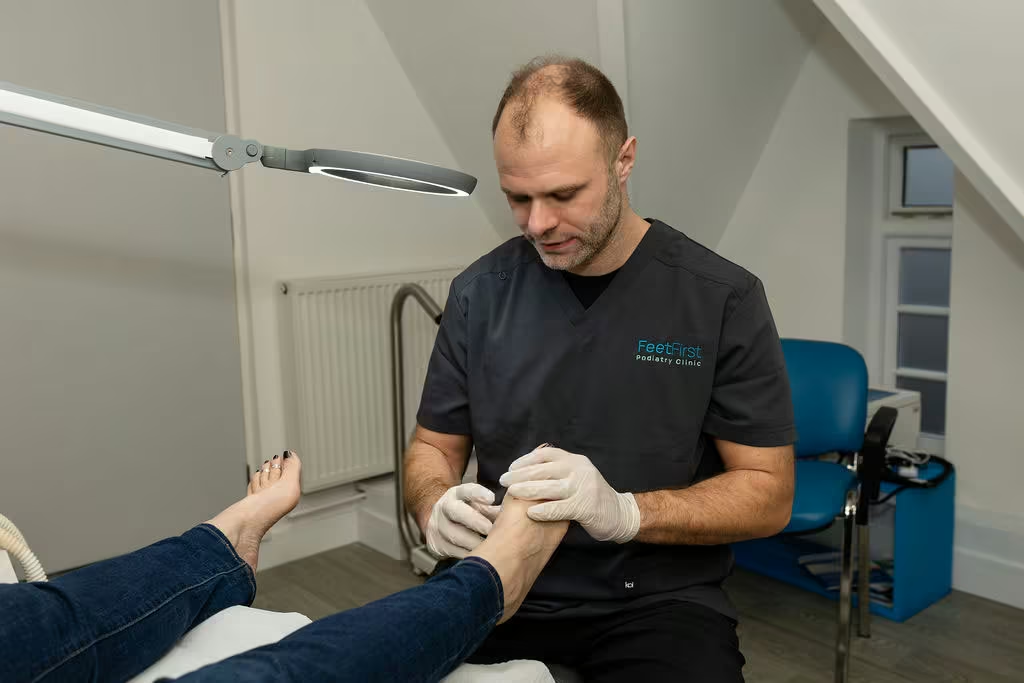
Diabetic Foot Checks at Feet First Podiatry Clinic
Regular diabetic foot checks are essential for reducing the risk of ulcers, infection and long-term complications. Diabetes can affect circulation, nerve function and the structure of the foot, often without obvious symptoms.
At Feet First Podiatry Clinic, our diabetic foot checks go beyond a basic screening. We carry out a detailed assessment of vascular health, neurological function and foot posture, allowing early identification of risk and proactive management.
What a Diabetic Foot Check Includes
A diabetic foot check at Feet First includes:
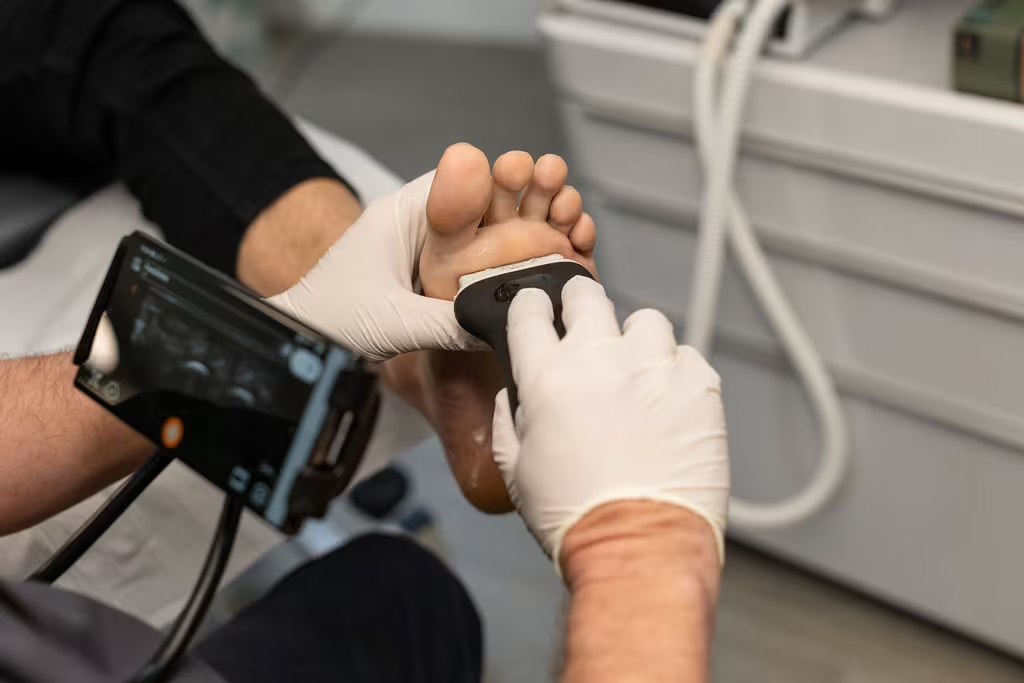
Vascular Assessment
- Pulses in the feet
- Blood flow and circulation
- Skin temperature and colour
- Signs of reduced circulation
This helps identify risk of delayed healing or ulceration.
Neurological Assessment
- Sensation testing using clinical tools
- Assessment for peripheral neuropathy
- Ability to feel pressure, touch and vibration
Loss of sensation increases the risk of unnoticed injury and skin breakdown.
Foot Posture and Pressure Assessment
- Foot posture and alignment
- Areas of high pressure
- Callus or skin build-up
- Toe deformities and joint changes
- Nail and skin condition
Posture and pressure play a major role in ulcer risk and recurrence.
Why Diabetic Foot Checks Matter
Early changes in circulation, sensation or pressure can occur without pain. Regular assessment allows:
- Early identification of risk
- Prevention of ulcers and infection
- Reduced likelihood of hospital admission
- Better long-term foot health
- Clear guidance on footwear and care
Diabetic Foot Checks at the GP vs an Expert Podiatrist
GP Diabetic Foot Checks
GP checks are an important screening tool and usually involve:
- Brief visual inspection
- Basic sensation testing
- Identification of high-risk patients
They are designed to identify obvious risk and refer on when needed.
Expert Podiatry Diabetic Foot Checks
A podiatry-led assessment is more detailed and focused on prevention. It includes:
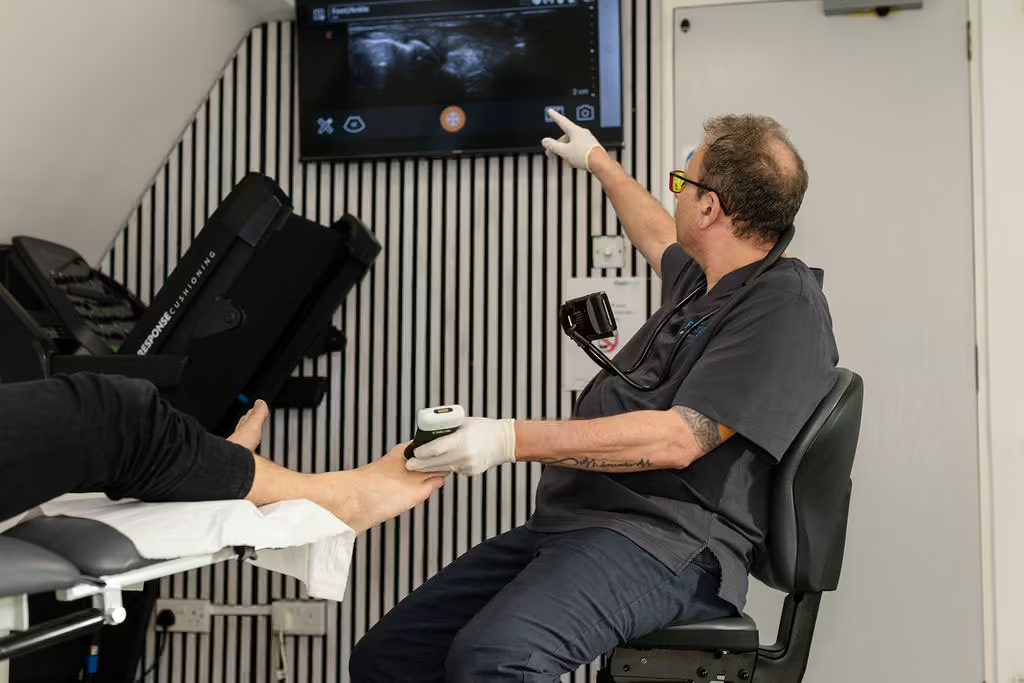
- In-depth vascular assessment
- Detailed neurological testing
- Foot posture and pressure analysis
- Early identification of subtle changes
- Immediate advice and treatment
- Ongoing monitoring and management
Podiatrists specialise in the foot and are trained to identify problems at an earlier stage, before complications develop.
Who Should Have Regular Diabetic Foot Checks
Diabetic foot checks are recommended if you:
- Have type 1 or type 2 diabetes
- Have had diabetes for several years
- Have reduced sensation in your feet
- Have a history of foot ulcers or infection
- Notice skin, nail or colour changes
- Have foot deformities or callus
- Want proactive prevention rather than reactive care
What to Expect
- Discussion of your diabetes history
- Vascular circulation assessment
- Neurological sensation testing
- Foot posture and pressure assessment
- Skin and nail examination
- Clear explanation of findings
- Personalised advice and risk classification
- Guidance on ongoing care and review

FAQs
Frequently Asked Questions
Do I still need a podiatry foot check if I see my GP?
Yes. GP checks are valuable, but podiatry assessments provide greater detail and preventative care.
How often should diabetic foot checks be done?
Frequency depends on your risk level and will be advised after assessment usually 6 or 12 months.
Is the assessment painful?
No. All tests are non-invasive and painless.
Can problems be picked up before symptoms appear?
Yes. Many diabetic foot issues develop without pain initially.
Will I get advice on footwear and foot care?
Yes. Practical guidance is a key part of the assessment.