
Fungal Nail Treatment at Feet First Podiatry Clinic
Fungal nail infections (onychomycosis) are common and often persistent. Nails may become thick, discoloured, crumbly or painful in footwear, and rarely improve without professional treatment. At Feet First Podiatry Clinic, we accurately diagnose fungal nail infections and offer advanced, evidence-based treatments — including Clearanail® — to restore nail health and appearance.
Why Patients Choose Us
- Accurate diagnosis before treatment begins
- Advanced treatment options including Clearanail®
- Reduction of thick, uncomfortable nails
- Clear explanation of treatment timelines and expectations
- Advice to prevent reinfection
- Safe care for adults, teenagers and people with diabetes
What We Treat
We help with:
- Yellow, white or brown nail discolouration
- Thickened, brittle or crumbly nails
- Nails lifting from the nail bed
- Painful nails rubbing in shoes
- Long-standing or recurring fungal infections
- Fungal nail changes following athlete’s foot
Causes & Diagnosis
Fungal nail infections develop when fungi enter the nail plate, often due to:
- Untreated athlete’s foot
- Excess moisture or sweating
- Nail trauma
- Tight or enclosed footwear
- Reduced circulation
- Walking barefoot in communal areas
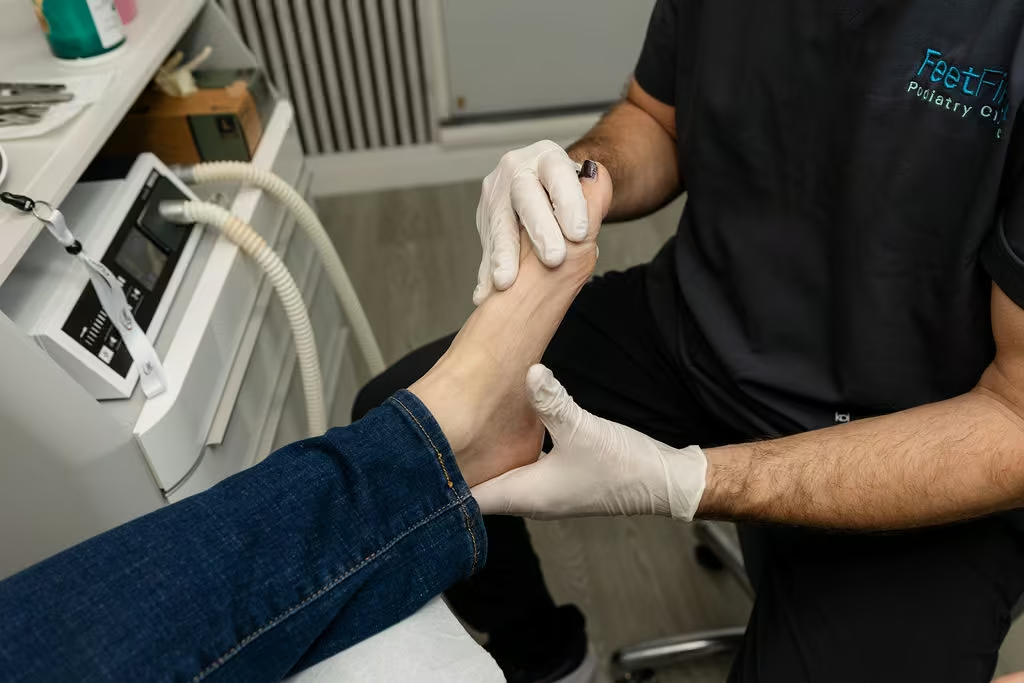
During your appointment we assess:
- Nail appearance and thickness
- Surrounding skin for fungal infection
- Nail damage or trauma
- Likelihood of fungal involvement
Not all thick or discoloured nails are fungal — correct diagnosis avoids unnecessary treatment.
Fungal Nail Treatment Options
Clearanail® – Advanced Fungal Nail Treatment
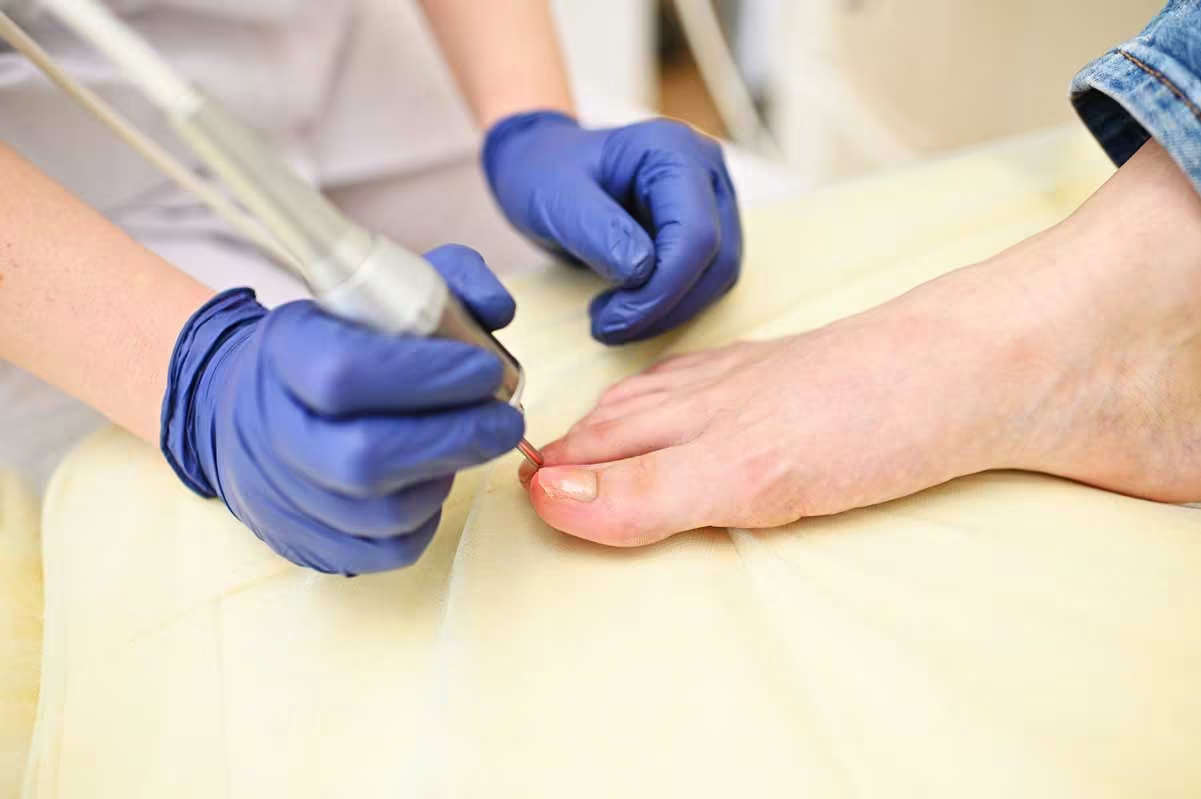
Clearanail® uses controlled micro-drilling technology to create tiny, painless channels through the nail plate. This allows antifungal treatments to reach the infection directly.
Benefits of Clearanail®:
- Painless — no anaesthetic required
- Improves penetration of antifungal treatments
- Particularly effective for thick or long-standing infections
- Quick procedure
- No damage to surrounding skin
- No downtime
Clearanail® is ideal for patients who have not responded to topical treatments alone.
Nail Debridement (Nail Reduction)
Gentle thinning of the nail to:
- Reduce pressure and discomfort
- Improve appearance
- Enhance effectiveness of antifungal treatments
Often combined with Clearanail® for optimal results.
Topical Antifungal Treatments
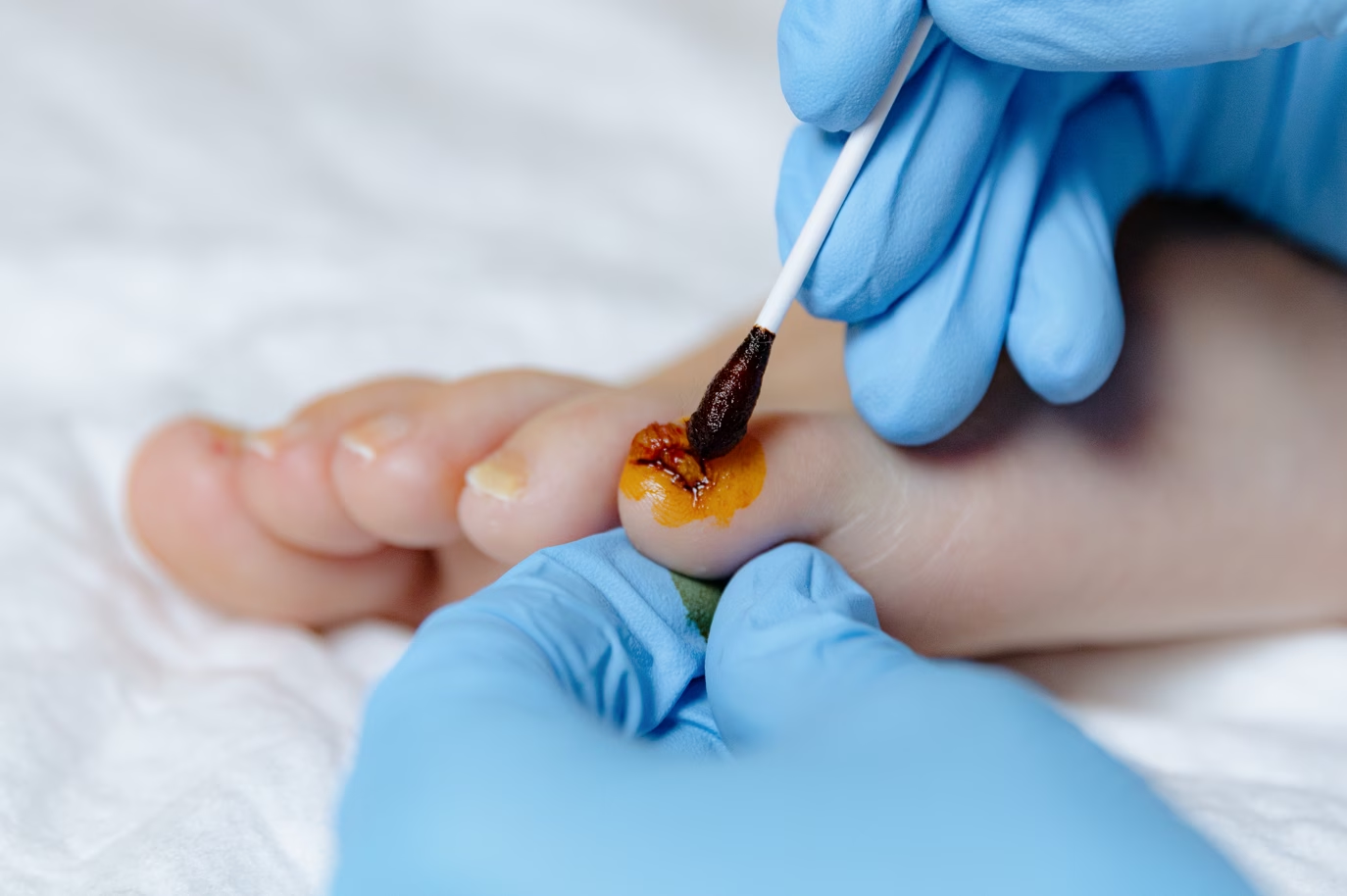
Medical-grade antifungal solutions prescribed based on the type and severity of infection. These are applied regularly over several months as healthy nail grows through.
Oral Antifungal Medication (When Appropriate)
Treating fungal skin infection at the same time is essential to prevent reinfection of the nails.
Prevention & Long-Term Nail Care
We provide guidance on:
- Foot hygiene
- Footwear and sock choices
- Moisture and sweat control
- Shoe disinfection
- Ongoing nail care

What to Expect
- Nail and skin assessment
- Diagnosis and explanation
- Nail thinning if required
- Clearanail® treatment if chosen
- Antifungal treatment plan
- Prevention advice
- Follow-up to monitor progress
Fungal nails improve gradually as healthy nail grows through — this can take several months.
When to Seek Help
Book an appointment if:
- Nails are thick, discoloured or crumbling
- Shoes press painfully on the nail
- Home treatments have failed
- You frequently get athlete’s foot
- The infection is spreading
- You have diabetes and notice nail changes
- You want to explore Clearanail® treatment
FAQs
Frequently Asked Questions
Do fungal nails go away on their own?
No — they usually worsen without treatment.
Is Clearanail® painful?
No — the procedure is typically pain-free.
How long does treatment take?
Improvement is gradual and depends on nail growth, often several months.
Can fungal nails spread?
Yes — to other nails, the skin, or other people.
Are thick nails always fungal?
No — trauma and other nail conditions can look similar, which is why assessment is important.