
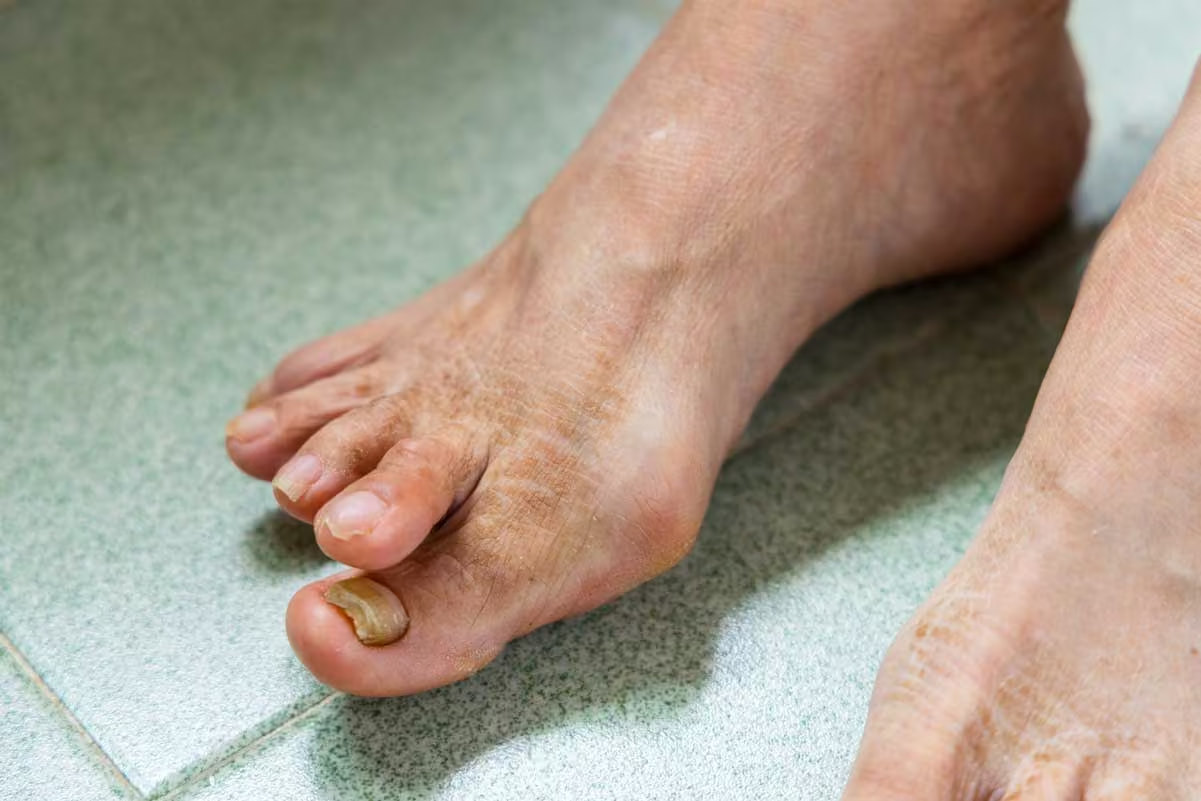
Toe Deformities Treatment at Feet First Podiatry Clinic
Toe deformities can cause rubbing, pain, corns, difficulty with footwear and changes to the way you walk. At Feet First Podiatry Clinic, we diagnose the type and cause of your toe deformity and provide effective, personalised treatment to keep you comfortable and active.
Why Patients Choose Us
- Detailed biomechanical and gait assessment
- Footscan® pressure analysis
- Gentle treatment of painful corns and callus
- Toe props, spacers and offloading options
- Custom orthotics to reduce pressure and improve alignment
- Clear guidance on when surgery may be beneficial
What We Treat
We help with all common toe deformities, including:
- Hammer toes
- Claw toes
- Mallet toes
- Curly toes
- Overlapping or underlapping toes
- Semi-flexible or rigid deformities
- Painful corns caused by toes rubbing together or on footwear
Suitable for adults, older adults, active individuals and those experiencing footwear discomfort or walking issues.
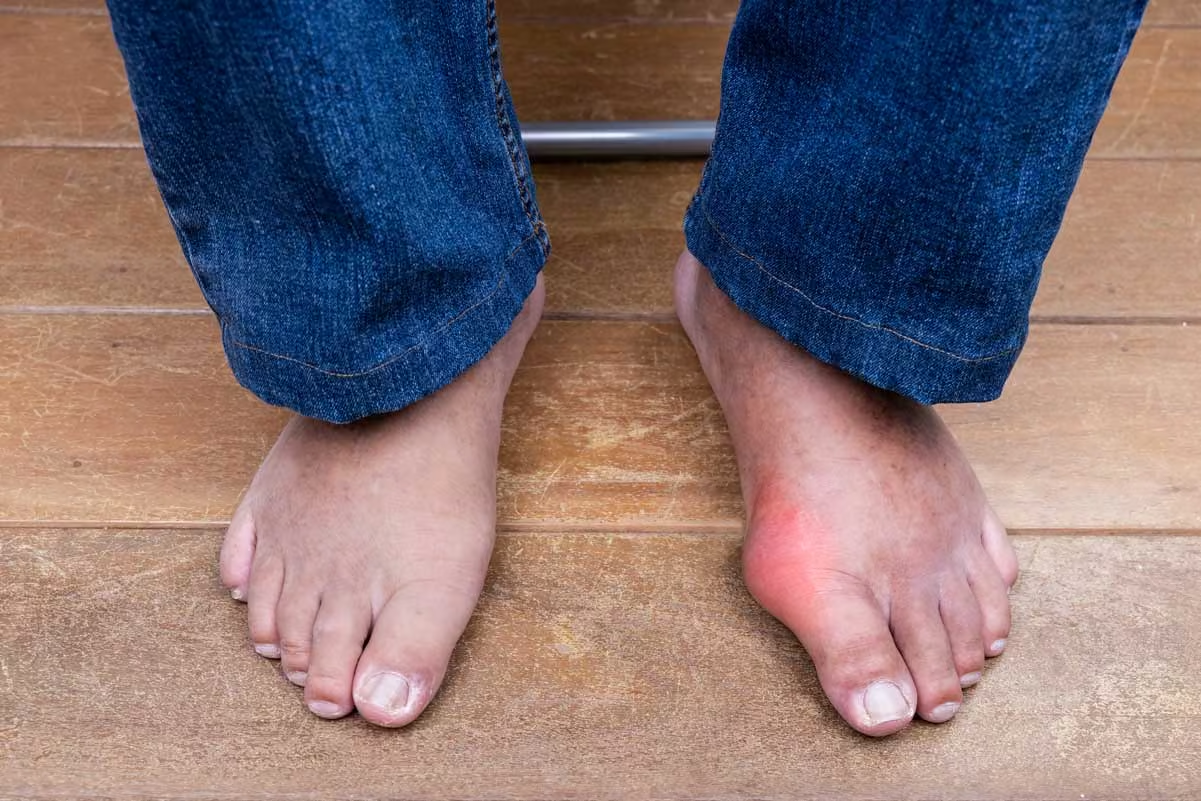
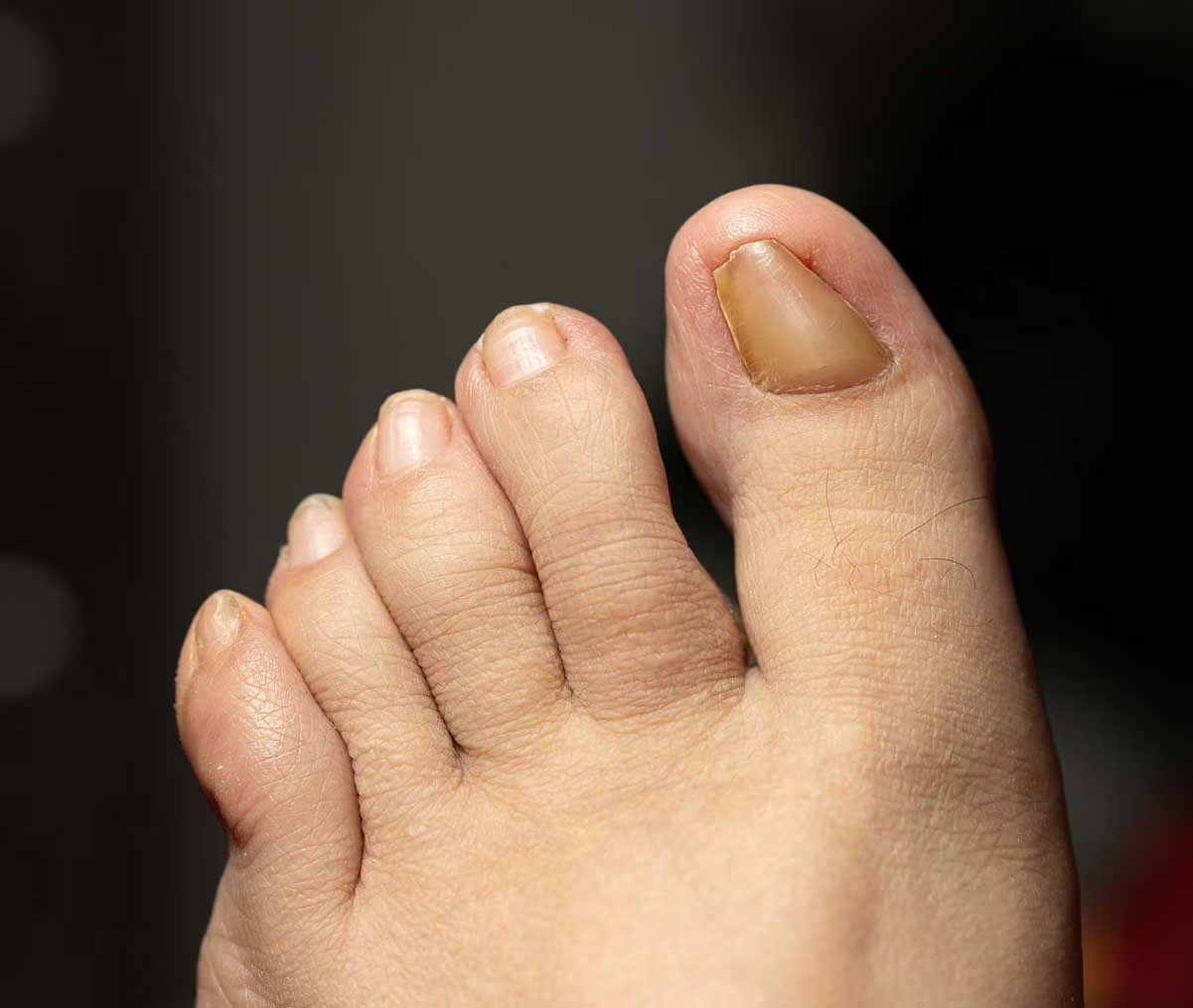
Causes and Diagnosis
Toe deformities can develop due to:
- Muscle imbalance
- Tight calf muscles or Achilles tendon
- Flat feet or high-arched feet
- Prolonged pressure from footwear
- Genetics or hypermobility
- Previous injury
- Arthritis or joint changes
During your assessment we evaluate:
- Toe position and flexibility
- Friction and pressure points
- Muscle strength and foot posture
- Footwear fit and gait pattern
- Whether the deformity is flexible or rigid
This allows us to determine the best management approach.
How We Treat Toe Deformities
Conservative Management
Most toe deformities can be managed without surgery. Treatment may include:
Toe Props & Spacers
Used to:
- Improve alignment
- Reduce pressure between toes
- Prevent corns and irritation
- Improve walking comfort
Protective Padding
Ideal for reducing rubbing on shoes and preventing hard skin build-up.
Footwear Advice
Guidance on:
- Wider toe-box shoes
- Soft, seamless uppers
- Styles that reduce pressure on affected toes
Custom Orthotics (Phits)
Used when foot posture contributes to the deformity or pain.
Helps to:
- Improve alignment
- Reduce excessive pronation
- Reduce strain on the toes
Strengthening & Mobility Exercises
Targeted exercises to improve:
- Toe function
- Intrinsic foot muscle strength
- Balance and gait efficiency
Surgical Referral (If Required)
If the deformity is rigid, painful or significantly limiting function, we provide guidance on whether surgical correction may be helpful and how to access further care.
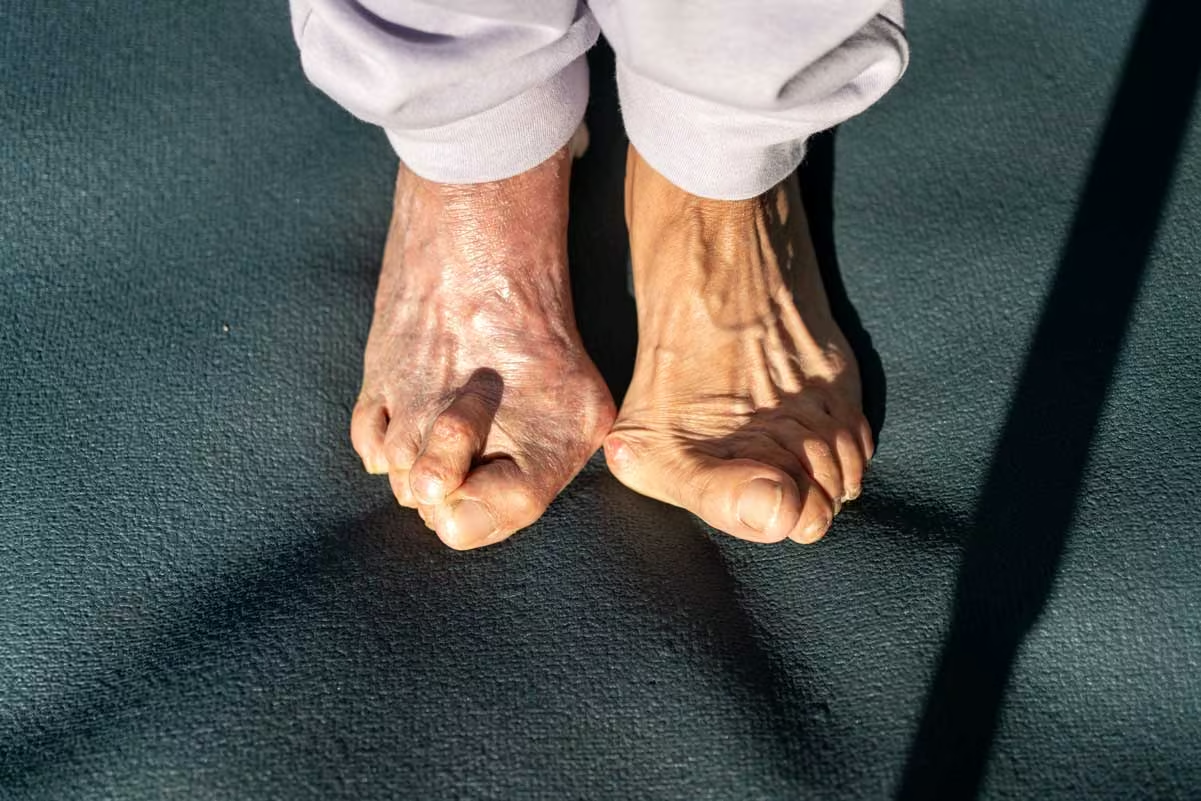
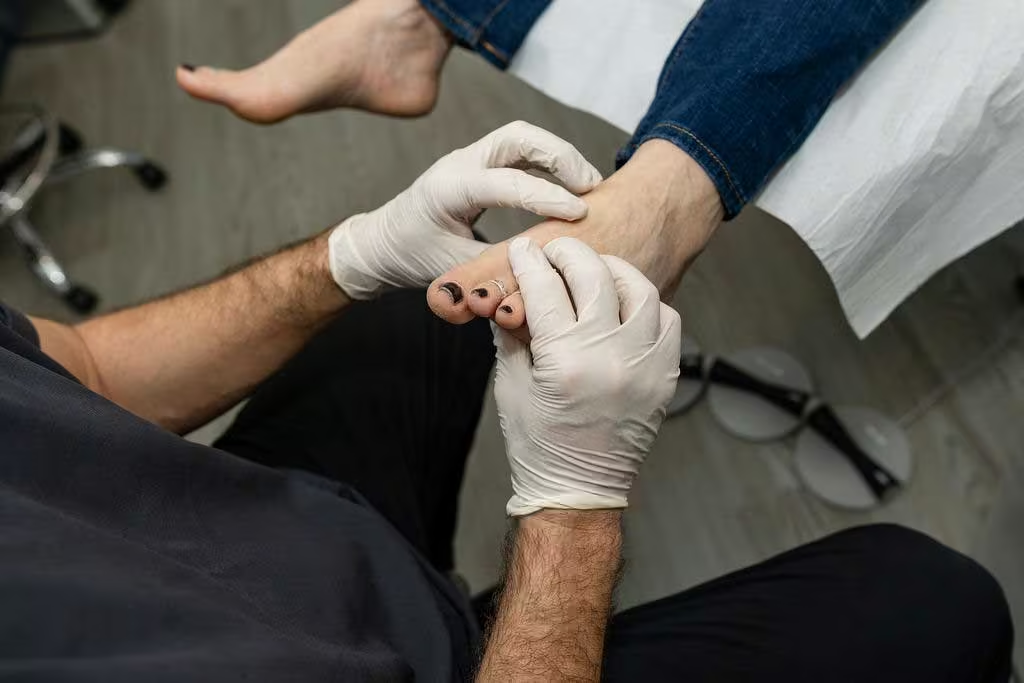
What to Expect
- Assessment of toe position and flexibility
- Footscan® and gait analysis
- Diagnosis and explanation
- Treatment plan tailored to your needs
- Advice on footwear, padding and orthotics
- Follow-up if required
When to Seek Help
Book an appointment if:
- Your toes rub or cause corns or callus
- Shoes are uncomfortable or painful
- Toes feel stiff, bent or overlapping
- You notice increasing deformity over time
- You have difficulty walking comfortably
- You have diabetes and notice any toe changes
FAQs
Frequently Asked Questions
Can toe deformities be reversed?
Flexible deformities may improve with conservative treatment. Rigid deformities cannot be reversed without surgery but symptoms can be managed effectively.
Do toe spacers help?
Yes — they reduce pressure, improve comfort and prevent corns.
Are toe deformities caused by shoes?
Footwear can worsen deformities but underlying structure, posture and muscle imbalance often contribute.
Do orthotics help toe deformities?
Yes — especially when overpronation or muscle imbalance plays a role.
When is surgery needed?
Surgery is considered when pain is persistent, the deformity is rigid or function is significantly affected.