
Fungal Nail Treatment at Feet First Podiatry Clinic
Fungal toenails are common, persistent and often difficult to treat with shop-bought products alone. At Feet First Podiatry Clinic, we provide accurate diagnosis and advanced treatment options — including Clearanail®, medical-grade antifungals and expert nail care — to restore comfort and confidence.
Why Patients Choose Us
- Accurate diagnosis before treatment begins
- Clearanail® available for faster penetration of antifungals
- Reduction of thick, painful nails
- Tailored treatment plan for your infection
- Management of athlete’s foot (common alongside fungal nails)
- Safe care for adults, teenagers and people with diabetes
What We Treat
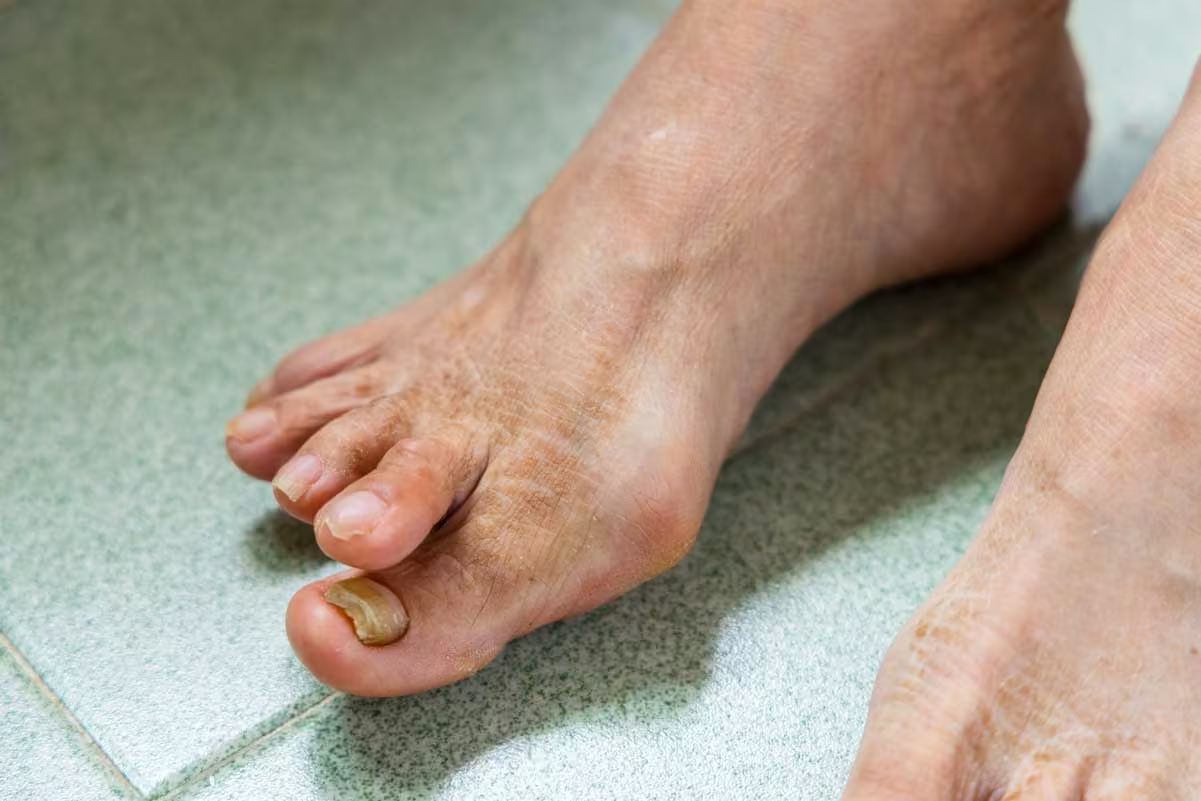
- Discoloured nails (yellow, white, brown)
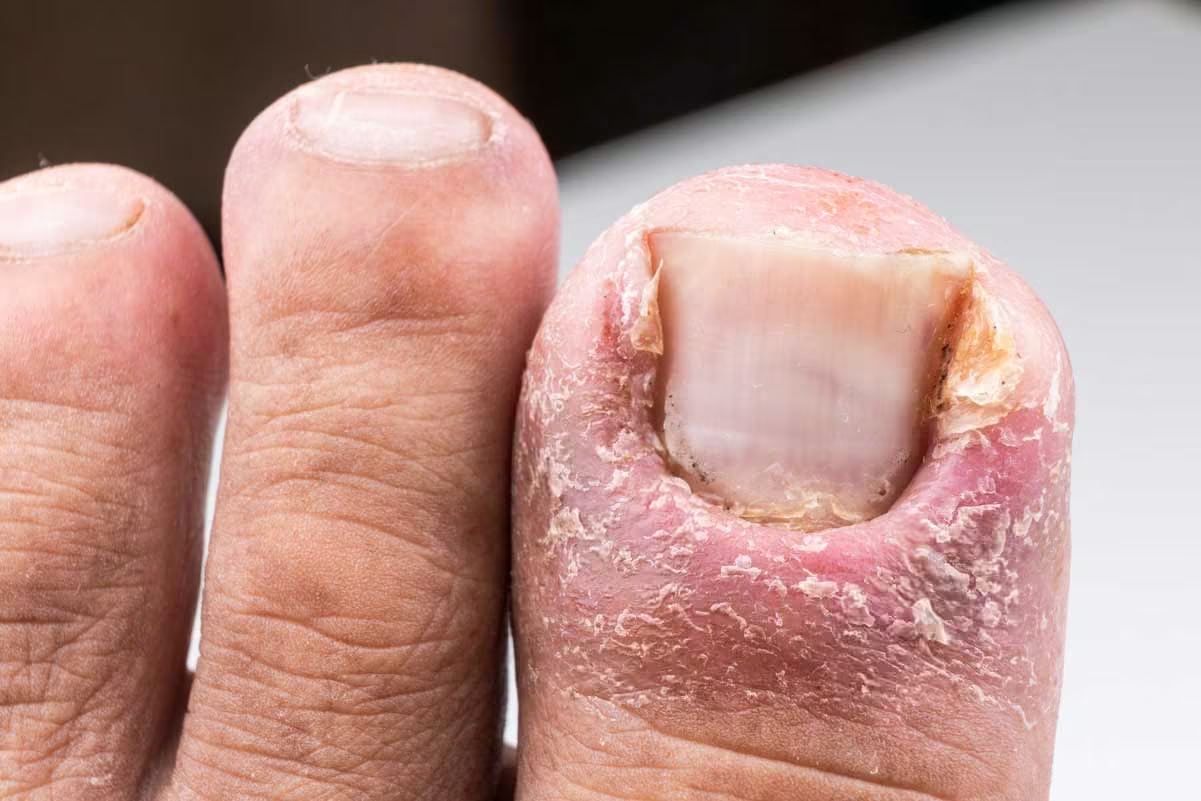
- Thickened, crumbly or flaky nails
- Nails lifting from the nail bed
- Painful nails catching in footwear
- Longstanding or recurring infections
- Fungal nail changes following athlete’s foot

Causes and Diagnosis
Fungal nails develop when fungi invade the nail plate, often due to:
- Untreated athlete’s foot
- Moisture build-up in footwear
- Nail trauma or repetitive pressure
- Reduced circulation
- Walking barefoot in communal areas
During your assessment, we determine:
- Whether the nail is truly fungal
- How deep the infection is
- Any thickened or damaged nail causing symptoms
- Whether Clearanail® or topical treatment is most suitable
Many nails that look “fungal” are actually due to trauma, psoriasis or aging — correct diagnosis prevents wasted time and money.
Treatment Options at Feet First
Clearanail® — Advanced Fungal Nail Treatment
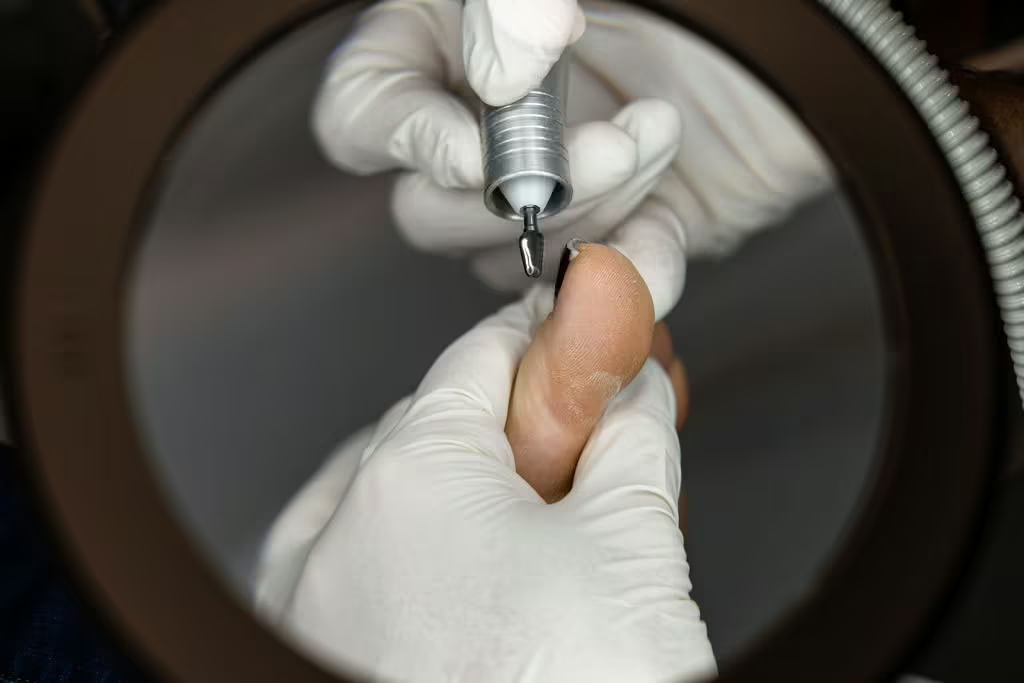
Clearanail® uses controlled micro-drilling technology to create tiny, painless holes in the nail plate. These allow antifungal solutions to reach the infection directly, dramatically improving treatment success.
Benefits of Clearanail®
- Painless — no anaesthetic needed
- Targets the infection beneath the nail surface
- Improves penetration of topical antifungals
- Quick procedure (usually 30 minutes)
- No damage to surrounding skin
- Ideal for thick or longstanding fungal nails
Clearanail® is an excellent option for patients who have tried topical treatments without success or who want faster results.
Nail Debridement (Nail Reduction)
We gently thin the fungal nail to:
- Increase comfort in shoes
- Improve cosmetic appearance
- Enhance penetration of antifungal treatments
Often combined with Clearanail® for best results.
Topical Antifungal Medication
We recommend medical-grade antifungals, applied daily, that work more effectively when:
- The nail is thinned
- Micro-channels from Clearanail® are present
- The underlying skin is also treated
Oral Antifungal Medication
If appropriate, we may advise a GP prescription for oral medication.
Athlete’s Foot Treatment Insoles
Treating the surrounding skin reduces reinfection and improves long-term outcomes.
Prevention Strategy
We provide guidance on:
- Footwear hygiene
- Sock materials that reduce moisture
- Sweat control (especially in sports or work boots)
- Daily habits to keep nails healthy long-term
What to Expect
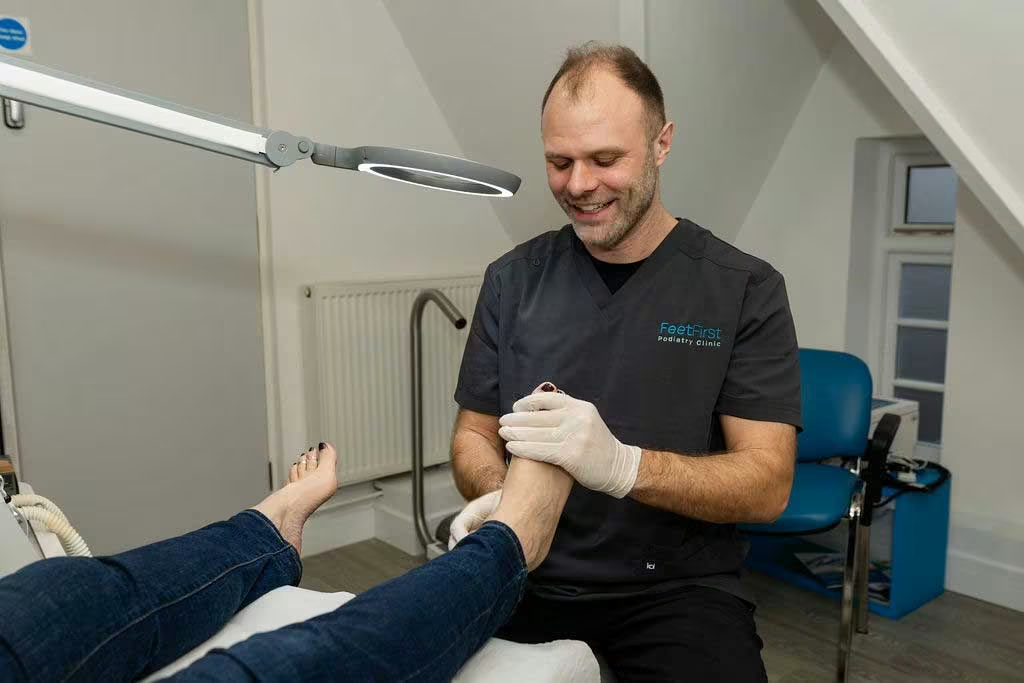
- Nail and skin examination
- Diagnosis and explanation
- Discussion of treatment options (including Clearanail®)
- Nail thinning/debridement
- Clearanail® treatment (if chosen)
- Antifungal routine and prevention plan
- Follow-up to monitor nail growth
Fungal nails improve as healthy nail grows through — this takes several months.
When to Seek Help
Book an appointment if:
- Nails are thick, discoloured or crumbling
- The infection has not responded to home treatments
- You frequently get athlete’s foot
- Nails cause pain or rub in footwear
- You have diabetes and notice nail changes
- You want to explore Clearanail® as a faster treatment option
FAQs
Frequently Asked Questions
Is Clearanail® painful?
No — most patients feel no discomfort during the procedure.
How long does Clearanail® take?
Around 30 minutes, depending on how many nails are involved.
Will the holes in the nail be visible?
No — the micro-holes are tiny and not noticeable.
Do fungal nails go away without treatment?
No — they usually worsen over time.
How long does it take to see improvement?
Visible improvement occurs gradually as healthy nail grows through, typically over several months.
Can fungal nails spread?
Yes — to other toes, your skin or other people.