
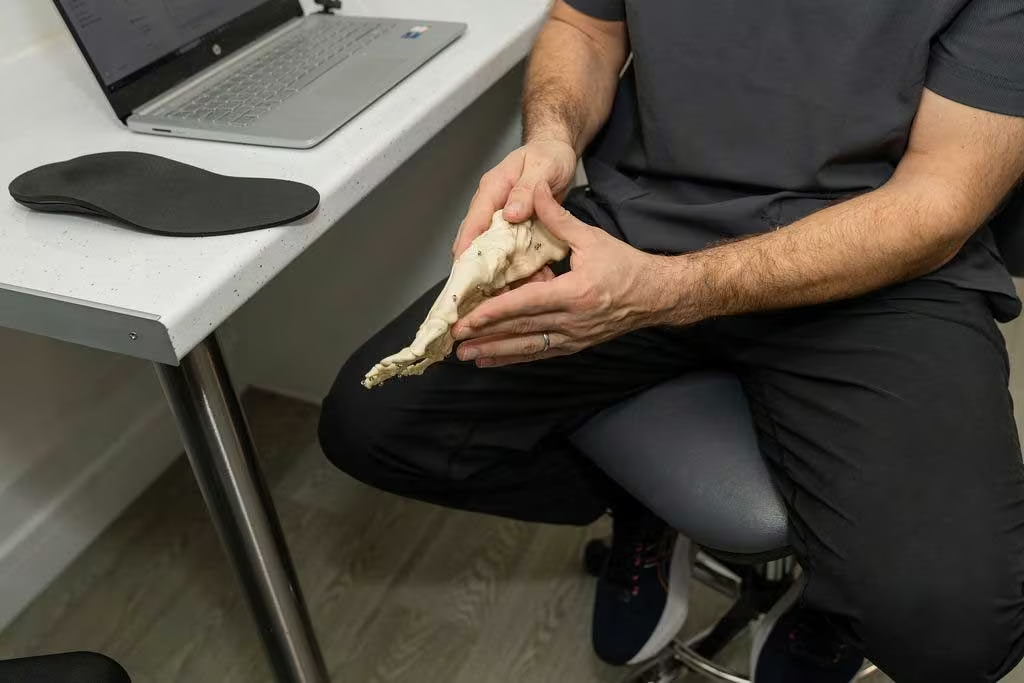
Flat Feet in Children – Assessment at Feet First Podiatry Clinic
Flat feet in children are extremely common and often part of normal development. Many children outgrow flat feet naturally — but some experience pain, fatigue, tripping, poor posture or difficulty keeping up with peers. At Feet First Podiatry Clinic, we assess whether your child’s flat feet are normal for their age or whether treatment would be beneficial.
Why Parents Choose Us
- Specialist assessment of children’s foot posture
- Footscan® pressure analysis & gait assessment
- Gentle, child-friendly approach
- Custom orthotics when appropriate
- Exercise plans for strength and coordination
- Clear advice + reassurance for parents
- Experience working with children of all ages
What We Treat
We help with:
- Flat feet in toddlers, children and teenagers
- Feet that roll in (overpronation)
- Pain in feet, ankles, knees or legs
- Frequent tripping or clumsiness
- Poor posture linked to foot alignment
- Children struggling with sports due to foot fatigue
- Concerns about long-term development
Suitable for children from early walking age upwards.
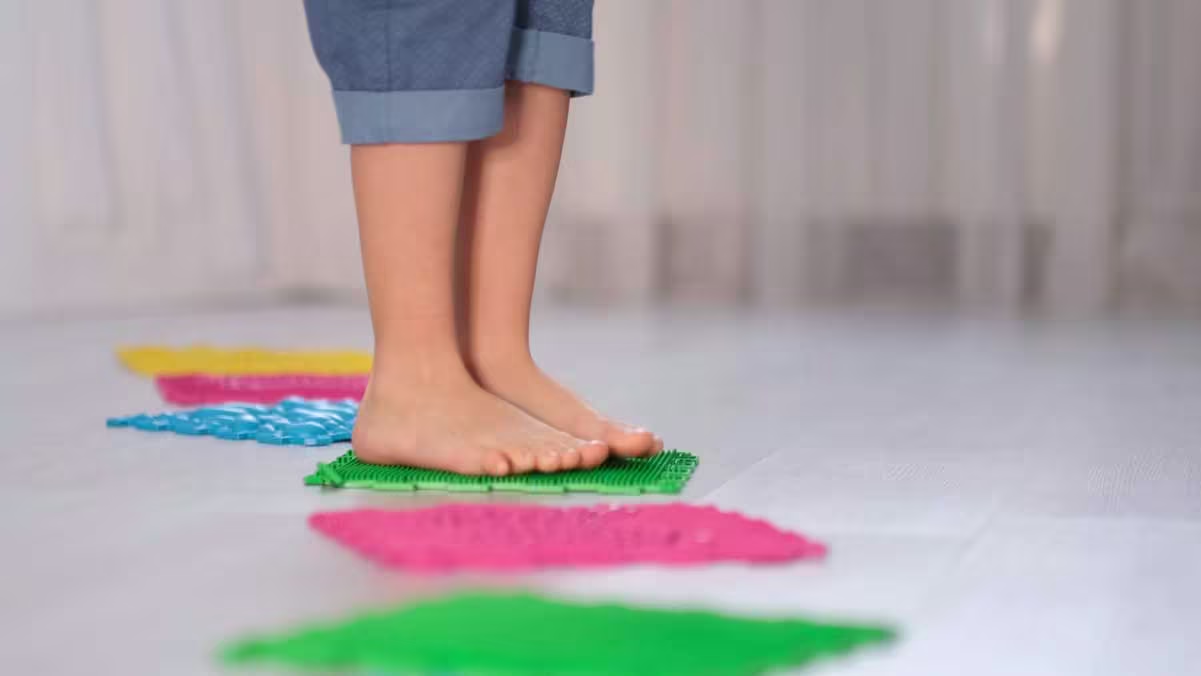
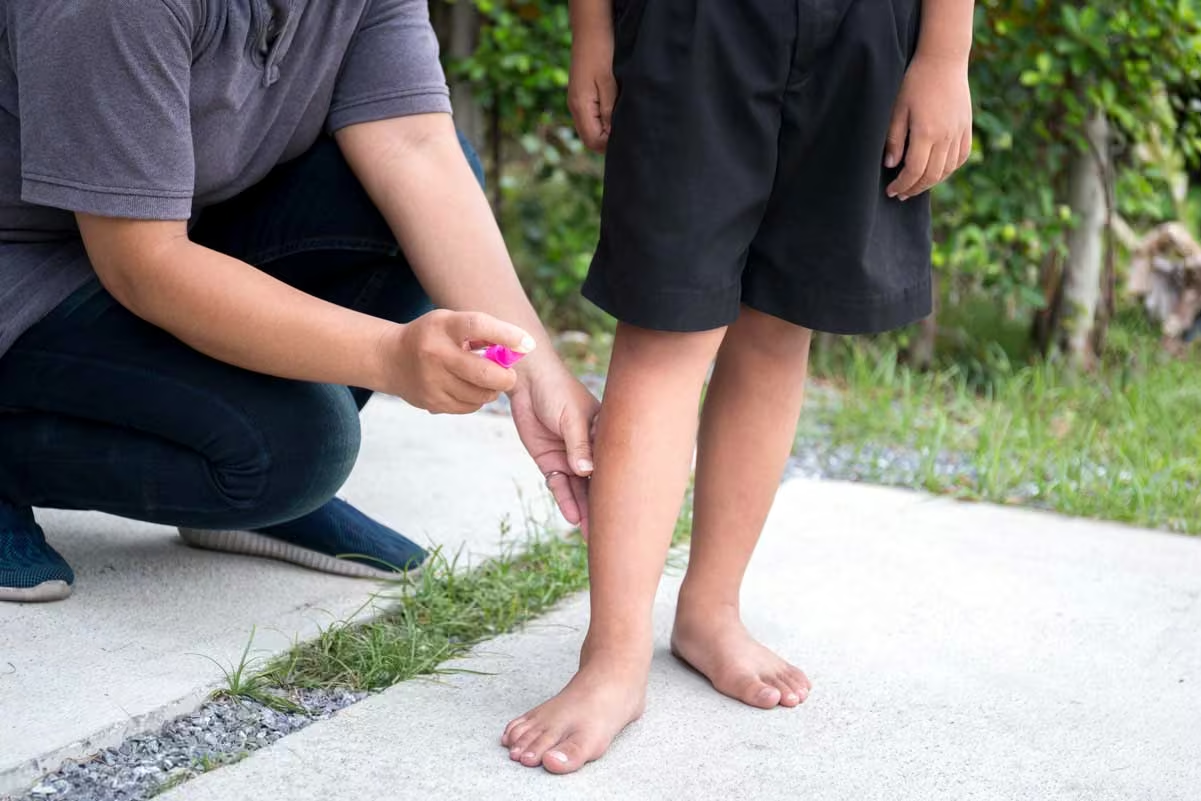
Understanding Flat Feet in Children
Most children naturally have flat feet until around age 6–7, and many will develop an arch as they grow. However, treatment may be needed if:
- There is pain or discomfort
- The child avoids activity
- The foot collapses excessively when walking
- One foot is significantly flatter than the other
- There is stiffness or limited mobility
- Flat feet persist into later childhood or teenage years
During your child’s assessment we evaluate:
- Foot posture during standing and walking
- Muscle strength and flexibility
- Footscan® pressure mapping
- Gait pattern and coordination
- Leg alignment and hip/knee mechanics
- Footwear suitability
This allows us to determine whether the foot posture is normal or if intervention is required.
How We Treat It
- Clinical assessment – Your podiatrist confirms the diagnosis and identifies contributing causes.
- Targeted treatment – May include prescription-strength antifungals, drying agents, footwear/sock changes, and prevention advice.
- Prevention strategy – Footwear hygiene, moisture management, and long-term protection.
Most patients feel improvement in 1–2 weeks.
How We Treat Flat Feet in Children
Reassurance & Monitoring
If flat feet are normal for your child’s age and not causing problems, we offer guidance and follow-up only when needed.
Exercise & Strengthening Programmes
For children who need support, we use fun, age-appropriate exercises to improve:
- Intrinsic foot muscle strength
- Balance and coordination
- Arch control
- Ankle stability
Footwear Advice
We help parents choose shoes that:
- Are supportive yet flexible
- Fit correctly
- Encourage healthy foot development
Custom Orthotics (Phits or Junior Orthoses)
Orthotics may be recommended when:
- Pain is present
- Feet roll in excessively
- The child struggles with sports
- There is asymmetry between the feet
- Flat feet are linked to knee or hip issues
Orthotics:
- Support the arch
- Improve alignment
- Reduce fatigue
- Help prevent secondary problems
Activity Guidance
We advise on:
- Sports participation
- Managing discomfort
- Reducing overload during growth spurts
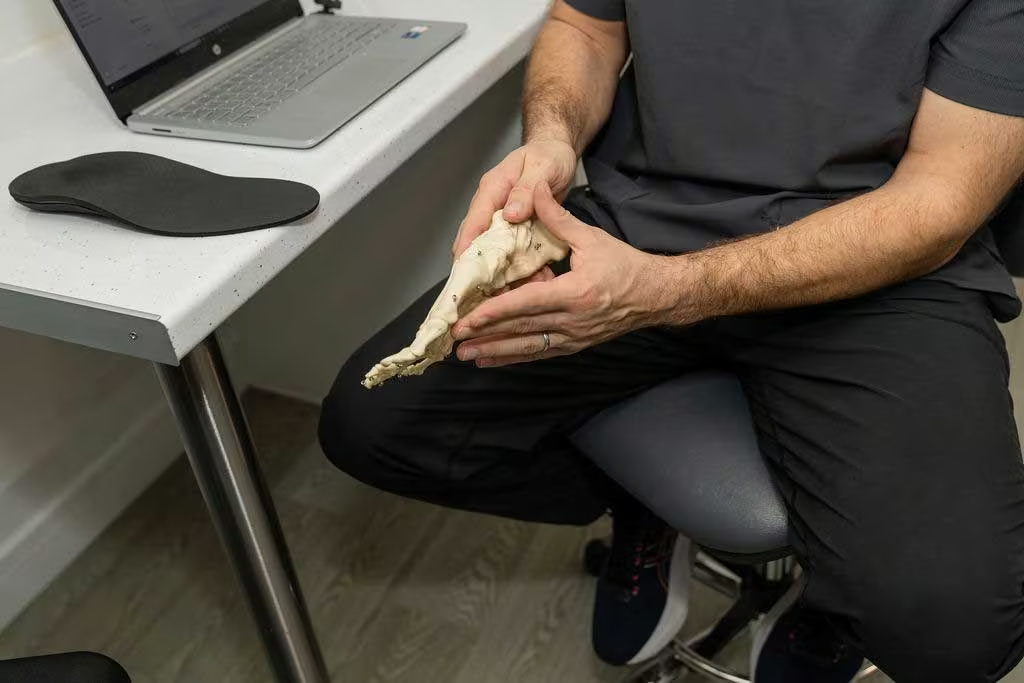
What to Expect
- Friendly, child-focused consultation
- Foot posture, strength and gait assessment
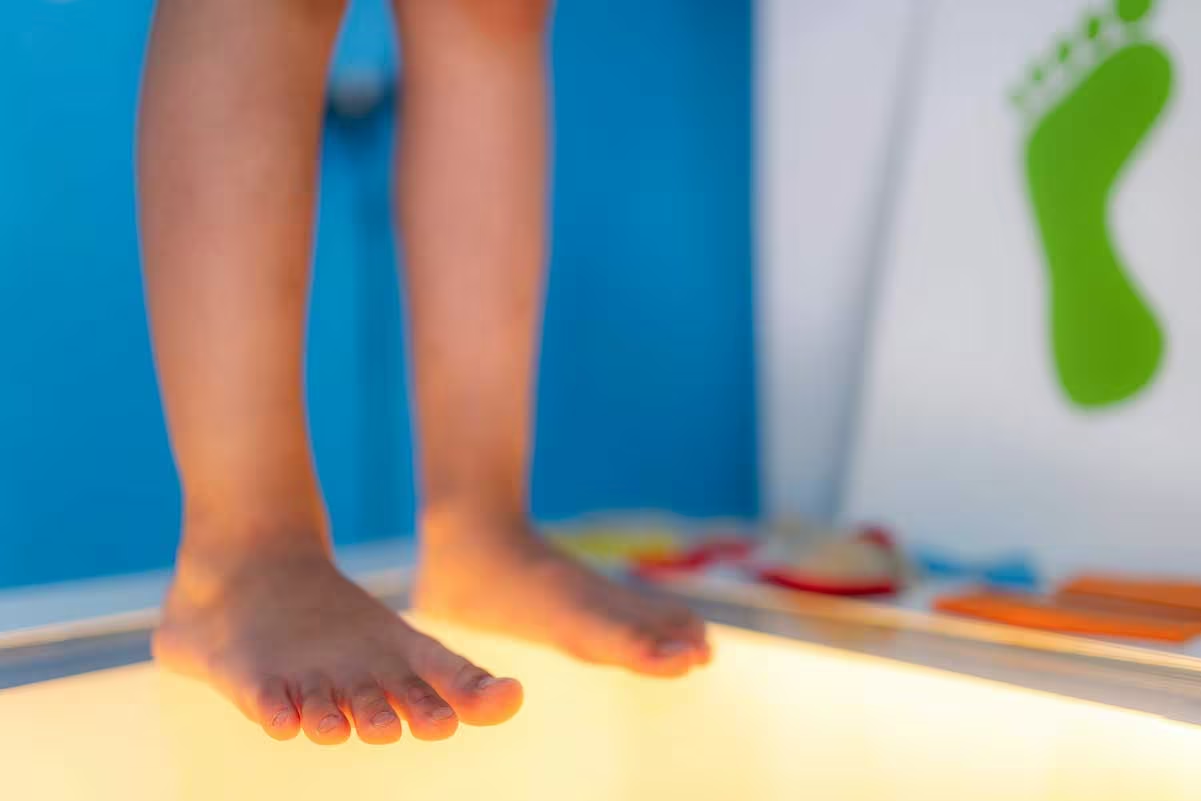
- Footscan® pressure mapping
- Clear explanation for parents
- Tailored plan (exercises, footwear, orthotics if needed)
- Review appointments when appropriate
- Most children respond very well to early, gentle intervention.
When to Seek Help
Book an appointment if your child:
- Complains of foot, ankle or knee pain
- Often avoids walking or sports
- Trips or tires easily
- Has very flat feet beyond age 7
- Has one foot flatter or more turned in than the other
- Walks with an unusual pattern
- Has flat feet that seem to be worsening
Early assessment provides reassurance and prevents long-term issues.
FAQs
Frequently Asked Questions
Are flat feet normal in young children?
Do flat feet cause pain?
Sometimes. Pain, fatigue or tripping suggest an assessment is needed.
Will my child definitely need orthotics?
Not always. Many children only need exercises and footwear advice.
Can flat feet be corrected?
Function can be significantly improved with exercises and orthotics, even if arch shape doesn’t fully change.
Is it better to treat early?
Yes — early intervention helps prevent pain and improves confidence in movement.