
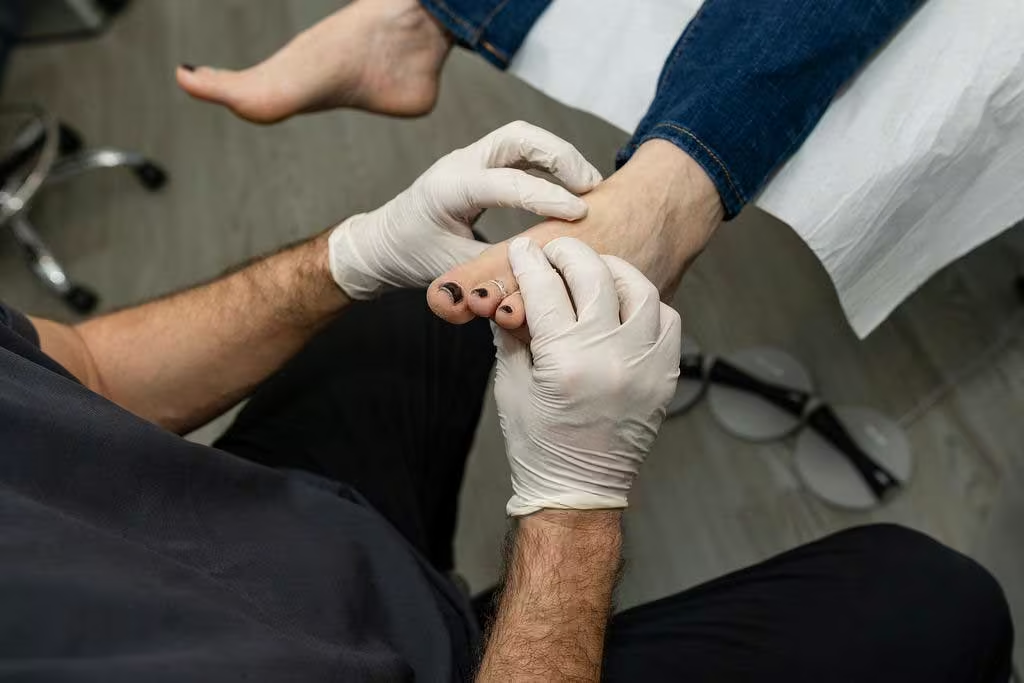
Dropped Metatarsals Treatment at Feet First Podiatry Clinic
A “dropped metatarsal” refers to increased pressure or reduced support beneath one or more of the long bones in the forefoot. This often leads to pain, burning, sharp discomfort or thick callus under the ball of the foot. At Feet First Podiatry Clinic, we identify the cause and provide effective solutions to relieve pain and restore comfort when walking.
Why Patients Choose Us
- Specialist assessment of forefoot pain
- Footscan® pressure analysis to identify overload areas
- Custom 3D-printed orthotics (Phits) for targeted support
- Reduction of painful callus or corns
- Tailored exercise and footwear guidance
- Long-term solutions to prevent recurrence
What We Treat / Who It’s For
We help with:
- Pain under the ball of the foot
- Sharp or burning pain under one metatarsal head
- Callus or corns beneath the forefoot
- Pain when walking barefoot or in thin-soled shoes
- Feeling of “walking on a pebble”
- Forefoot fatigue during sport
- Secondary issues such as toe deformities or overpronation
Suitable for active adults, runners, people who stand for long periods, and those with biomechanical foot changes.
Causes and Diagnosis
Dropped metatarsals can occur due to:
- Loss of fat padding under the foot
- Overpronation or flat feet
- High arches creating focal pressure points
- Tight calf muscles
- Toe deformities altering weight distribution
- Injury or previous stress fracture
- Footwear with inadequate cushioning
- Age-related changes
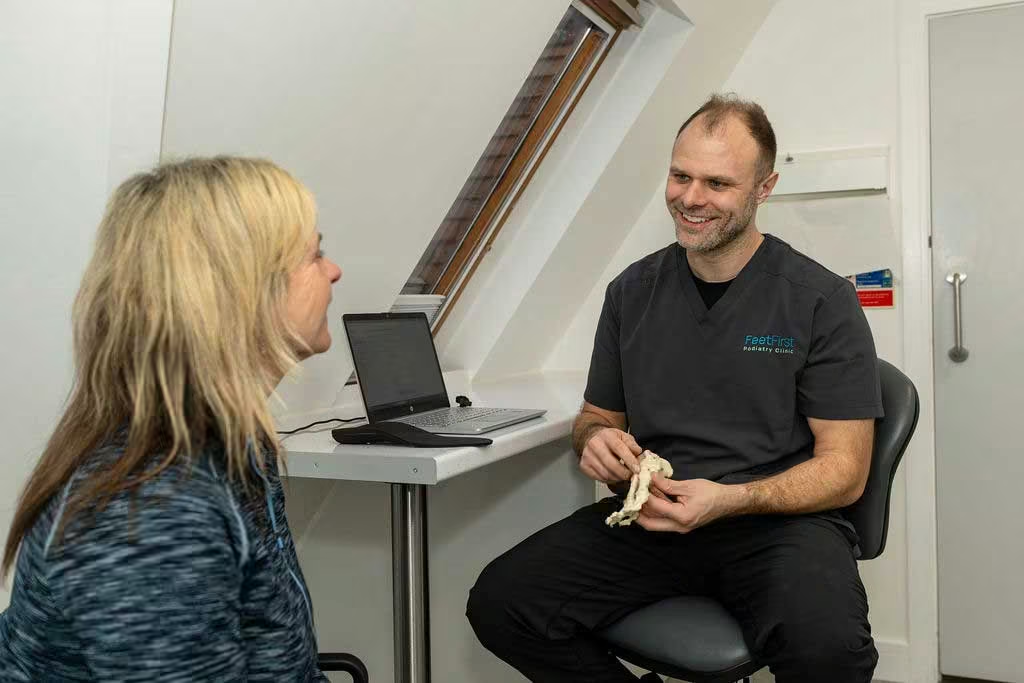
During your assessment we evaluate:
- Foot posture and lower-limb alignment
- Pressure distribution using Footscan®
- Toe position, flexibility and function
- Presence of callus or corns
- Footwear and activity levels
This allows us to identify the exact structure causing the overload.
How We Treat Dropped Metatarsals
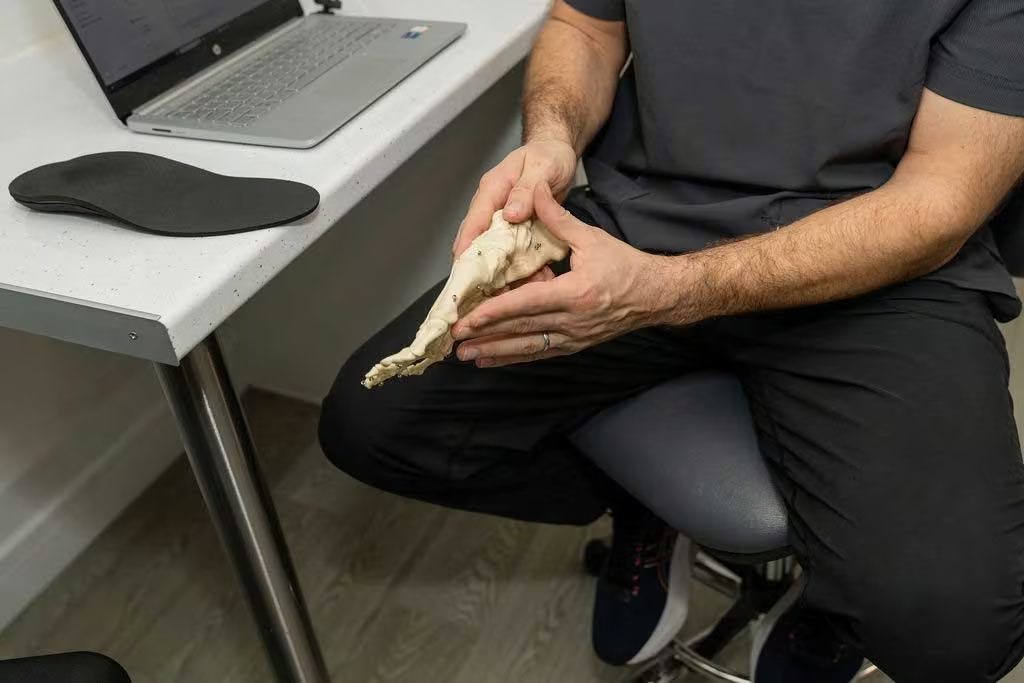
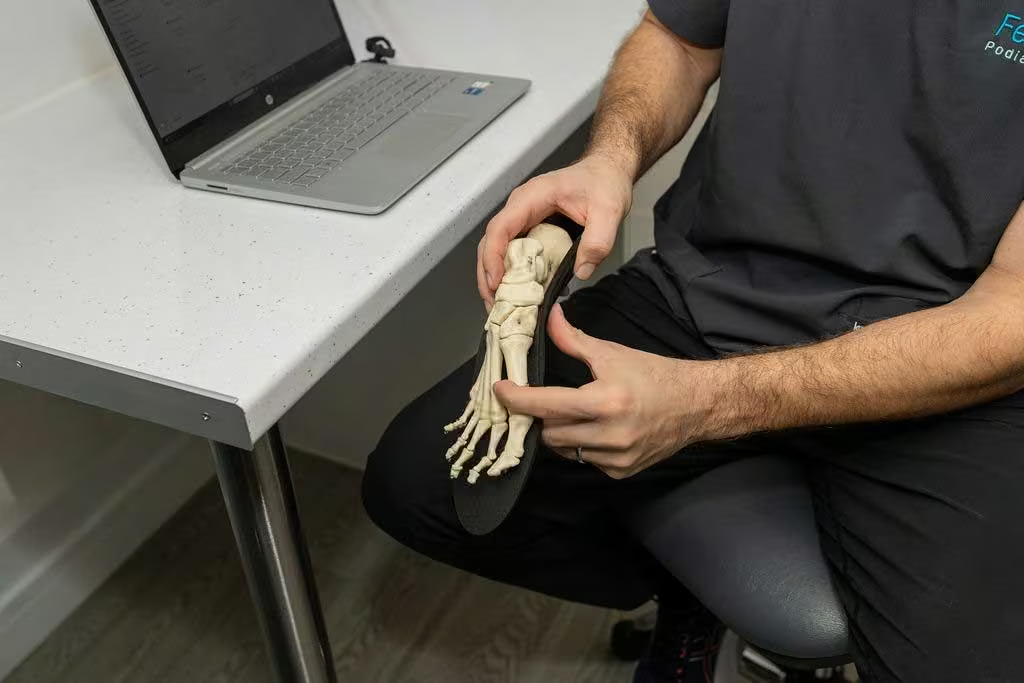
Custom 3D-Printed Orthotics (Phits)
Designed using your Footscan® data, orthotics can:
- Offload pressure from the overloaded metatarsal
- Redistribute force evenly across the forefoot
- Improve gait efficiency
- Reduce pain in walking and sport
Forefoot Padding & Offloading
Temporary or permanent padding can:
- Cushion painful areas
- Reduce pressure under the metatarsal heads
- Support improved toe position
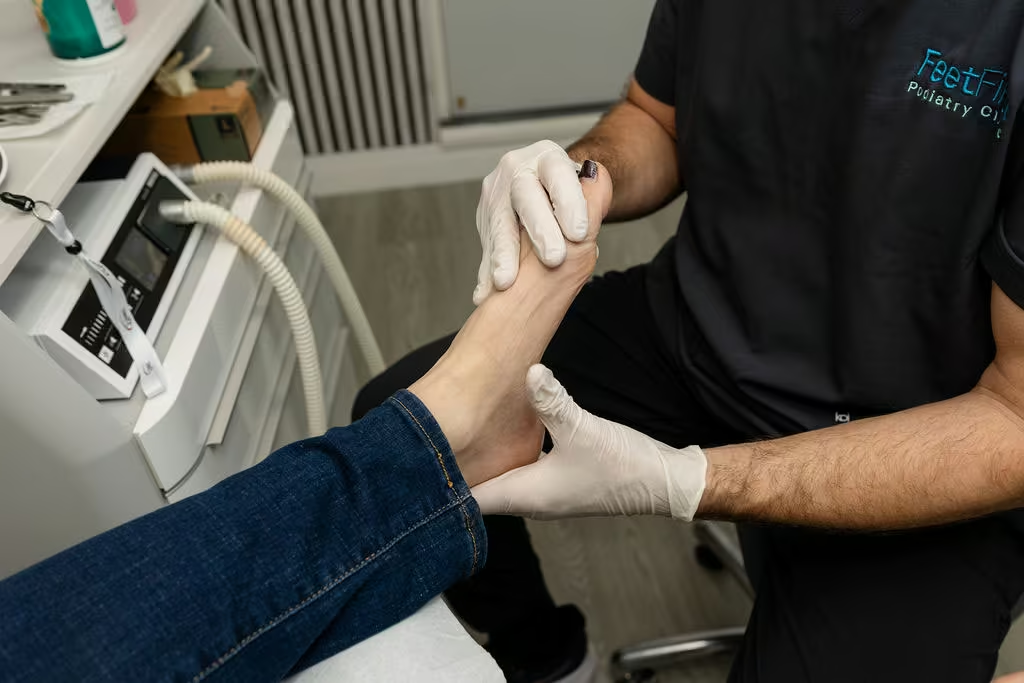
Reduction of Hard Skin
If callus or corns have formed, gentle removal provides:
- Immediate relief
- Reduced friction
- Better pressure distribution
Strengthening & Mobility Exercises
We provide exercises to improve:
- Foot intrinsic muscle strength
- Toe alignment and control
- Calf and Achilles flexibility
- Push-off mechanics during walking and running
Footwear Guidance
We advise on footwear that:
- Provides good cushioning
- Has a supportive sole
- Reduces excessive forefoot pressure
- Matches your activity level
Treatment of Contributing Conditions
We also manage related issues such as:
- Toe deformities
- Flat feet
- High arches
- Overpronation
- Neuromas
What to Expect
- Biomechanical and gait assessment
- Footscan® pressure mapping
- Diagnosis and clear explanation
- Tailored treatment plan
- Offloading and footwear advice
- Custom orthotics if required
- Follow-up to review progress
When to Seek Help
Book an appointment if:
- You feel sharp or burning pain under the forefoot
- It feels like you are walking on a stone or lump
- Pain worsens with walking or high-impact activity
- You have thick callus under the ball of the foot
- Home treatments haven’t helped
- You have diabetes and notice forefoot pain or skin changes
FAQs
Frequently Asked Questions
What does a dropped metatarsal feel like?
Sharp, aching or burning pain under one or more metatarsal heads, often with callus formation.
Can orthotics fix dropped metatarsals?
Yes — orthotics are one of the most effective ways to offload pressure and reduce pain.
Why do I feel like I’m walking on a stone?
This is a common symptom of metatarsalgia caused by forefoot overload or a callus.
Do runners get this condition?
Yes — increased training loads, poor footwear and biomechanics often contribute.
Can it go away on its own?
It may improve with rest, but recurrence is common without addressing the underlying cause.