
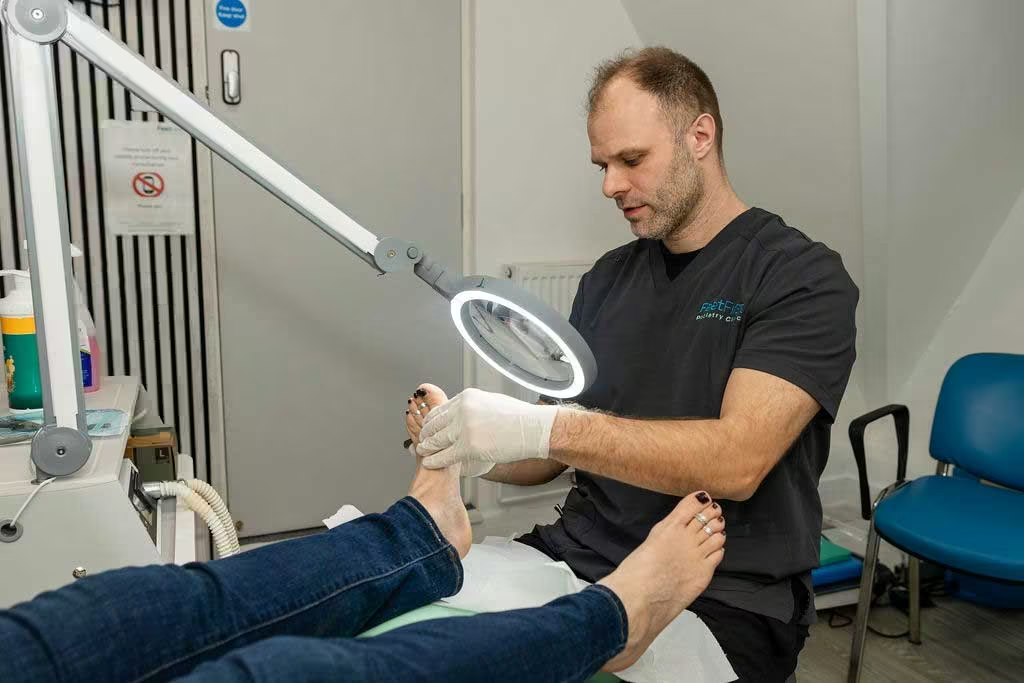
Chilblains Treatment at Feet First Podiatry Clinic
Chilblains are painful, red or purple patches that develop when the skin reacts to sudden temperature changes. They can itch, burn and become sore — especially on toes and heels. At Feet First Podiatry Clinic, we diagnose your symptoms, treat the discomfort and help prevent recurrences during colder months.
Why Patients Choose Us
- Accurate diagnosis (chilblains are often confused with other conditions)
- Gentle, effective treatment to reduce pain and inflammation
- Practical prevention guidance
- Safe care for people with poor circulation or diabetes
- Warm, reassuring and experienced clinicians
What We Treat
We help with:
- Painful, itchy or burning toe lesions
- Red, purple or swollen patches on the feet
- Chilblains that crack, blister or ulcerate
- Recurrent cold-weather flare-ups
- Poor circulation or sensitivity to cold
Suitable for adults, older adults, outdoor workers, cyclists, walkers, skiers and anyone with cold-induced skin changes.
Causes and Diagnosis
Chilblains occur when small blood vessels in the skin react abnormally to rapid temperature changes. Common triggers include:
- Cold, damp or windy weather
- Wearing thin socks or shoes outdoors
- Poor circulation
- Low body weight
- Smoking
- Sudden heat exposure after being cold (heaters, hot baths)
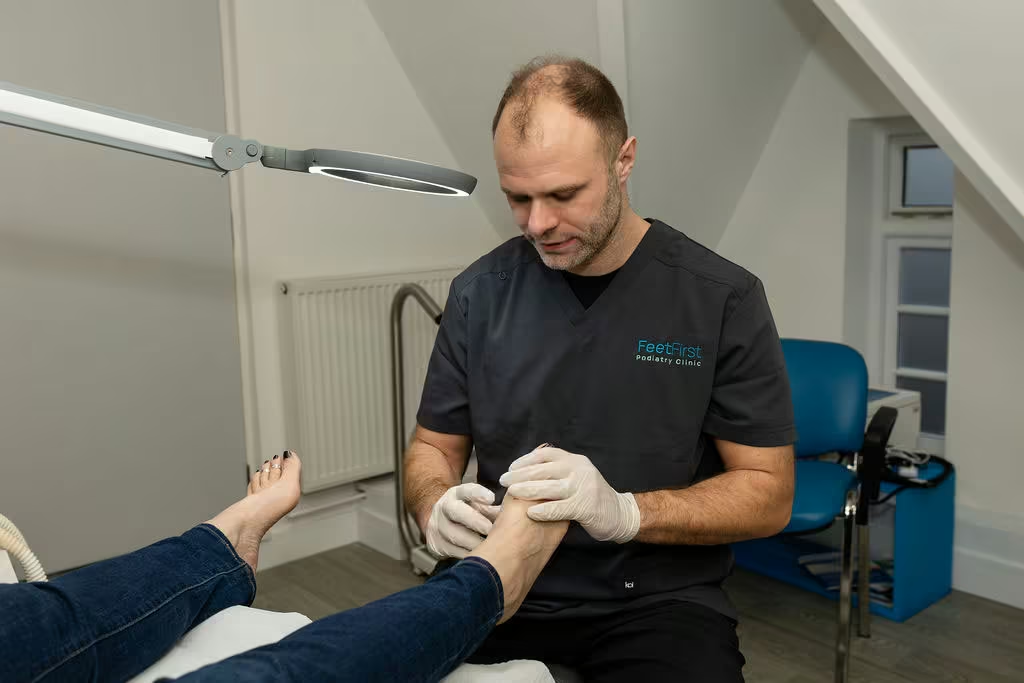
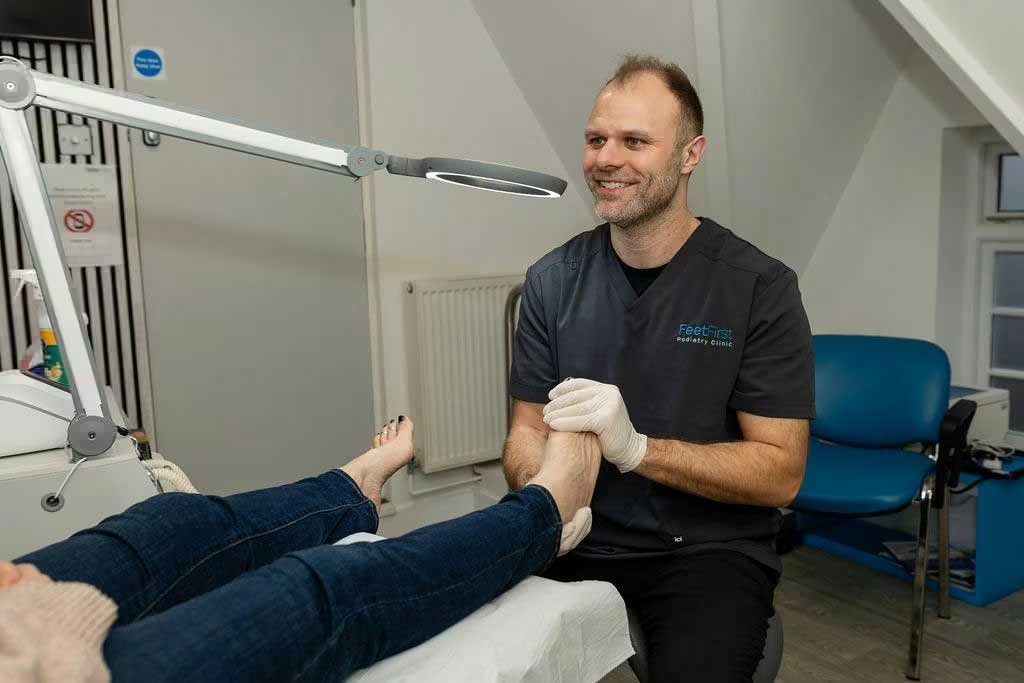
During your appointment we assess:
- Appearance and severity of the lesions
- Circulation and skin health
- Whether symptoms are chilblains or something similar (e.g., Raynaud’s, dermatitis, infection)
- Skin breakdown or risk of complications
Early diagnosis helps prevent worsening and repeated flare-ups.
How We Treat Chilblains
Symptom Relief
We provide guidance and products to soothe itching, burning and inflammation.
Protecting Vulnerable Skin
Advice for preventing cracking, blistering and infection.
Circulation Support
Practical strategies to improve blood flow and reduce cold sensitivity.
Footwear & Sock Recommendations
Helping you keep the feet warm, dry and protected.
Management of Complications
If a chilblain becomes broken, infected or ulcerated, we treat it or refer appropriately.
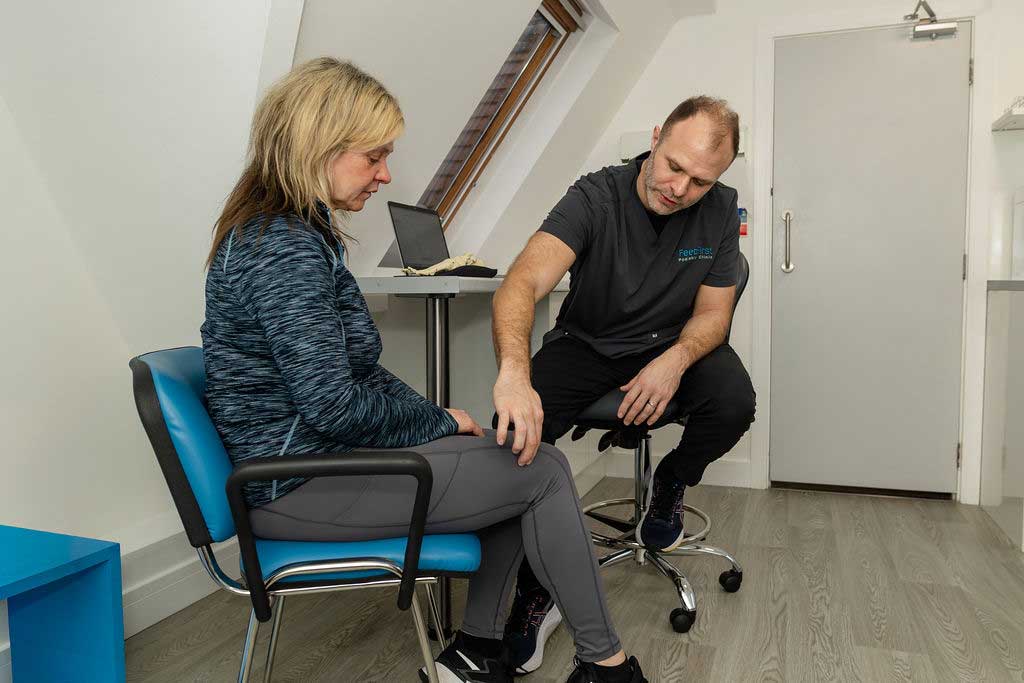
What to Expect
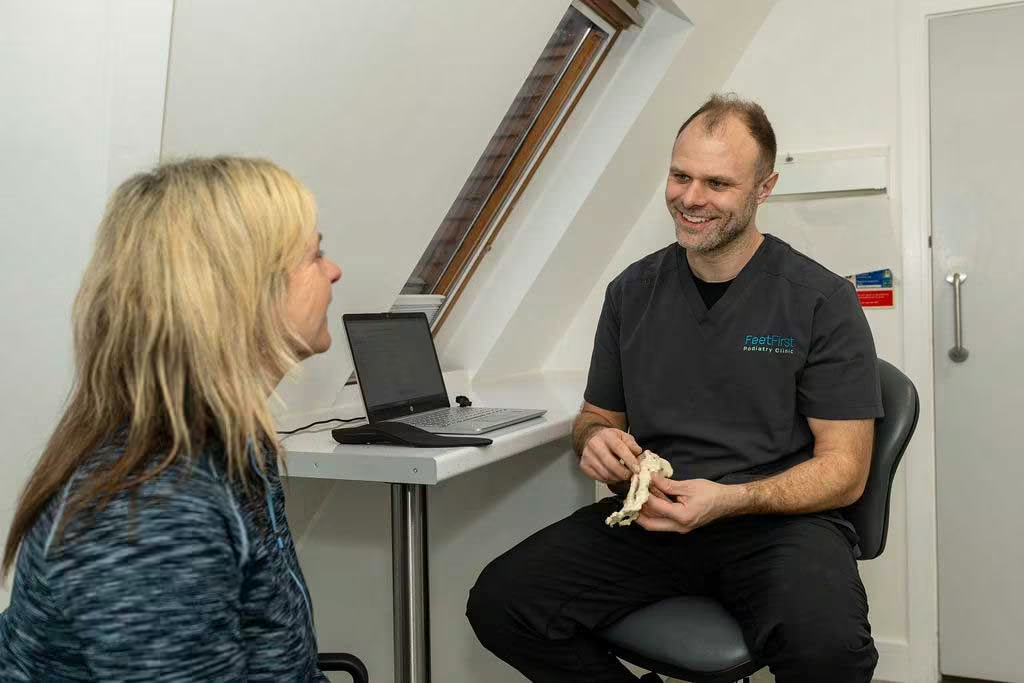
- Assessment of skin lesions and circulation
- Clear diagnosis and explanation
- Tailored plan to reduce pain and inflammation
- Practical prevention advice
- Follow-up if lesions worsen, crack or fail to heal
Most chilblains settle within 1–3 weeks with correct management.
When to Seek Help
Book an appointment if:
- Chilblains are very painful
- They recur every winter
- The skin cracks, blisters or breaks down
- You have diabetes or poor circulation
- You’re unsure whether the lesions are chilblains
- They are not healing as expected
FAQs
Frequently Asked Questions
Are chilblains dangerous?
Usually not, but broken skin can lead to infection, especially in people with diabetes or circulation problems.
Do chilblains go away on their own?
Yes, they often settle in 1–3 weeks, but treatment relieves symptoms and reduces recurrence.
Can I exercise with chilblains?
Yes, but keep the feet warm and avoid rubbing or pressure on painful areas.
Should I warm chilblains quickly?
No — rapid heating can worsen symptoms.
Can children get chilblains?
Yes, especially active children outdoors in winter.