
Bursitis Treatment at Feet First Podiatry Clinic
Bursitis occurs when a small fluid-filled sac (a bursa) becomes irritated or inflamed. In the foot and ankle, this often causes sharp, aching or pressure-related pain — especially around the heel, Achilles tendon, forefoot or under footwear straps. At Feet First Podiatry Clinic, we provide accurate diagnosis using clinical assessment and ultrasound imaging, followed by targeted treatment to reduce pain and restore comfortable movement.
Why Patients Choose Us
- Expert assessment of all foot and ankle bursae
- Diagnostic musculoskeletal ultrasound available
- Tailored treatment plans for fast pain relief
- Shockwave therapy for chronic bursitis
- Injection therapy where appropriate
- Footwear, orthotic and load-management advice
- Trusted by active individuals, walkers and athletes
What We Treat
We help with all common forms of foot and ankle bursitis, including:
- Retrocalcaneal bursitis (inflammation between Achilles tendon and heel bone)
- Subcutaneous heel bursitis (soft lump at the back of the heel from shoes)
- Forefoot bursitis (under the metatarsal heads)
- Intermetatarsal bursitis (between the toes, often confused with neuroma)
- Bursitis linked to dropped metatarsals or overpronation
- Pain, swelling, redness or pressure-related irritation around bony areas
Suitable for active adults, runners, boot-wearers, sports participants, and those with biomechanical foot conditions.
Causes and Diagnosis
Bursitis develops when a bursa is compressed or irritated. Common causes include:
- Tight or rubbing footwear
- Overuse or repetitive load
- Overpronation or flat feet
- High-arched feet (cavus foot)
- Running and high-impact activities
- Poor training surfaces
- Associated conditions (Achilles tendinopathy, dropped metatarsals, toe deformities)
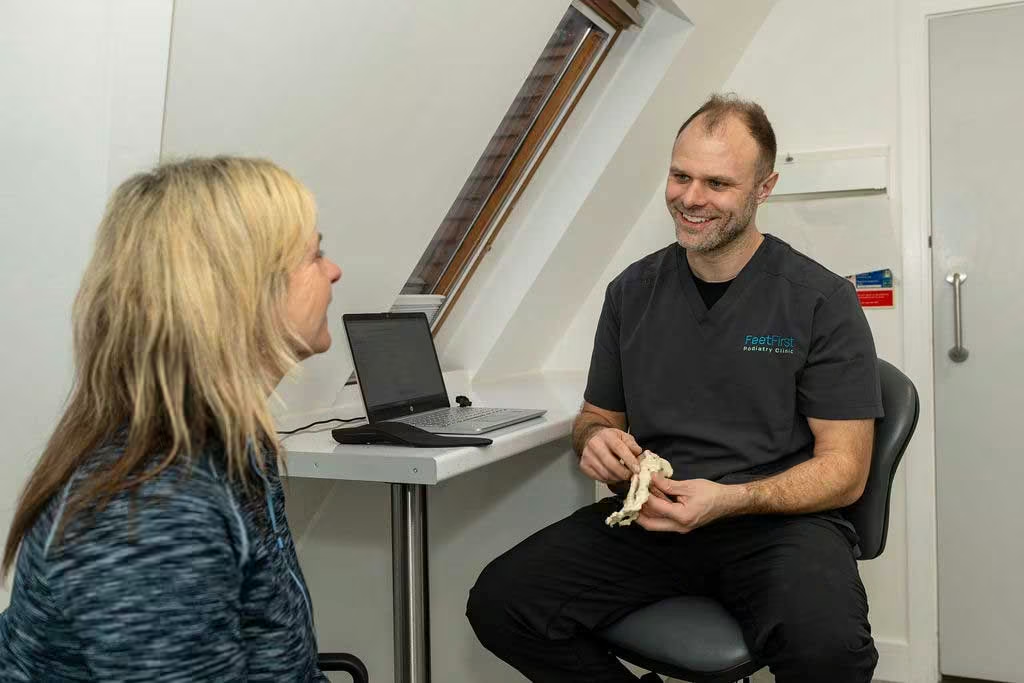
During your appointment we assess:
- Location and severity of swelling
- Surrounding joint and tendon function
- Foot posture and biomechanics
- Pressure distribution using Footscan®
- Gait pattern and footwear issues
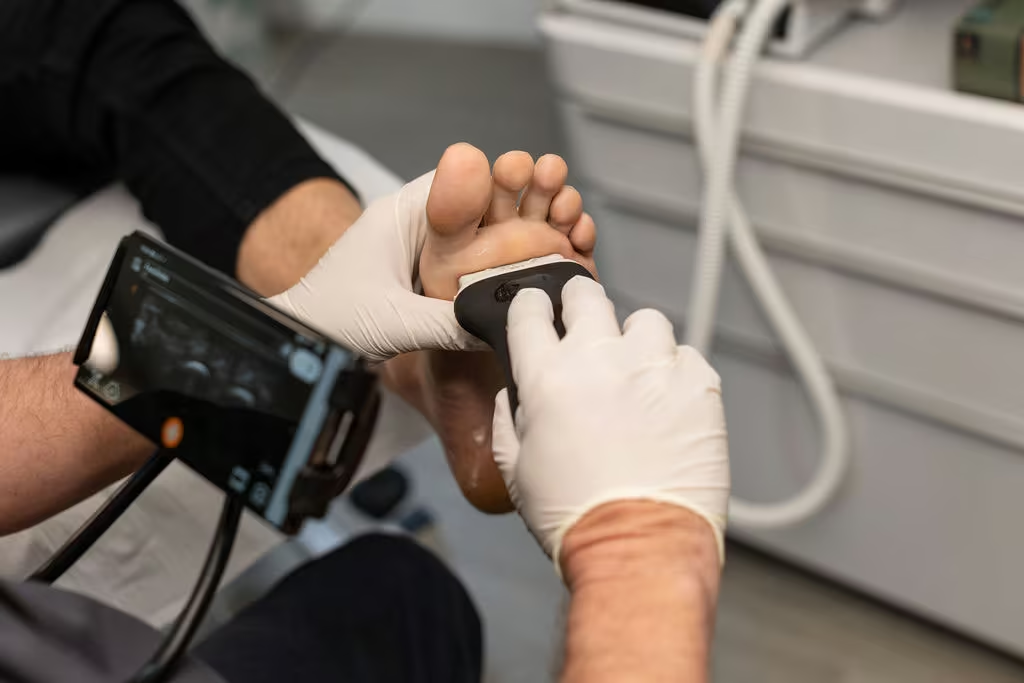
Ultrasound Scanning at Feet First
- Ultrasound allows us to confirm:
- Presence of fluid or inflammation
- Thickness and irritation of the bursa
- Whether tendons or joints are also involved
- Differentiation between bursitis, neuroma or fat pad issues
This ensures your treatment is accurate and targeted.
How We Treat Bursitis
Offloading & Pressure Reduction
Immediate relief by removing pressure from the irritated bursa through:
- Padding or taping
- Footwear modification
- Temporary insoles or metatarsal support
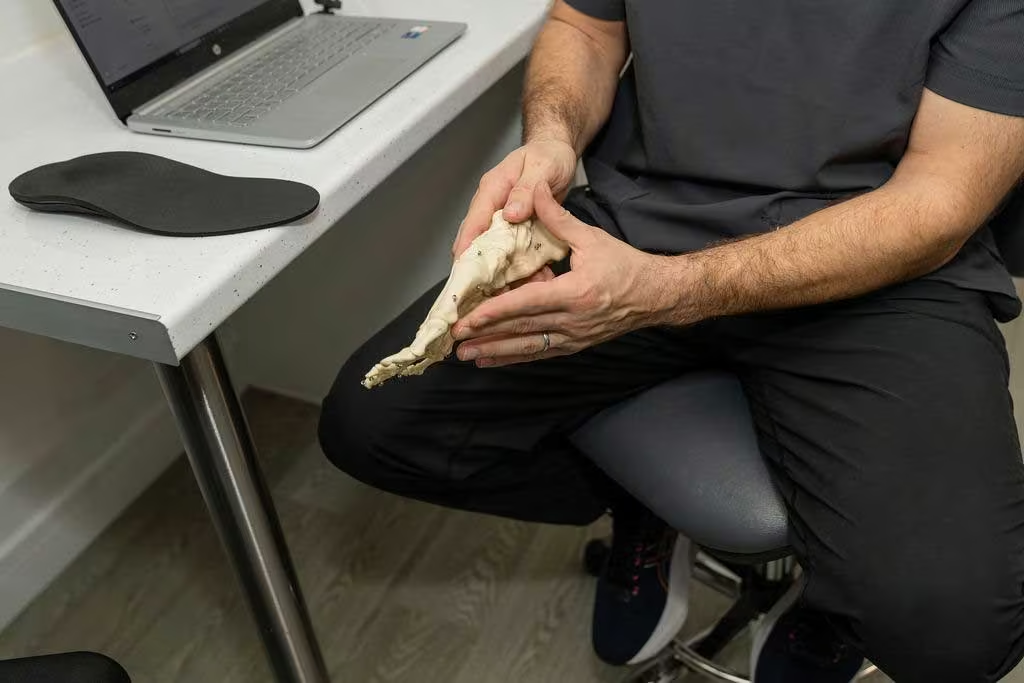
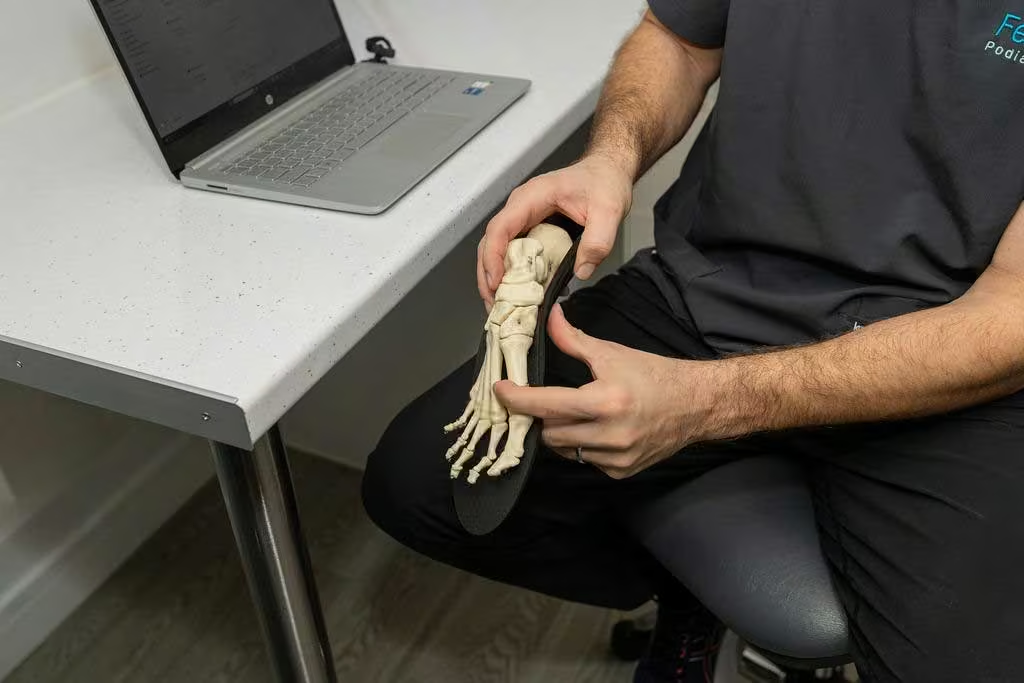
Custom 3D-Printed Orthotics (Phits)
If biomechanics contribute to the bursitis, orthotics help to:
- Reduce pressure on painful areas
- Improve foot posture
- Support more efficient walking and running
- Prevent recurrence
Shockwave Therapy (ESWT)
Particularly effective for chronic bursitis or cases linked to tendon overload. Helps to:
- Reduce pain
- Improve tissue healing
- Restore mobility
- Improve tendon and surrounding structure function
Ultrasound-Guided Injection Therapy
For persistent or severe bursitis, we may recommend ultrasound-guided corticosteroid injection to reduce inflammation.
Indicated when:
- Pain is intense or limiting daily activity
- The bursa is significantly inflamed on ultrasound
- Conservative treatment alone is not enough
Ultrasound ensures accurate and safe placement of the injection.
Strengthening & Mobility
Exercises to improve:
- Calf and Achilles flexibility
- Foot and ankle stability
- Load tolerance during walking and running
Footwear Advice
We guide you on:
- Avoiding seams or heel counters that irritate the bursa
- Shoes with appropriate cushioning
- Sport-specific footwear adjustments
What to Expect
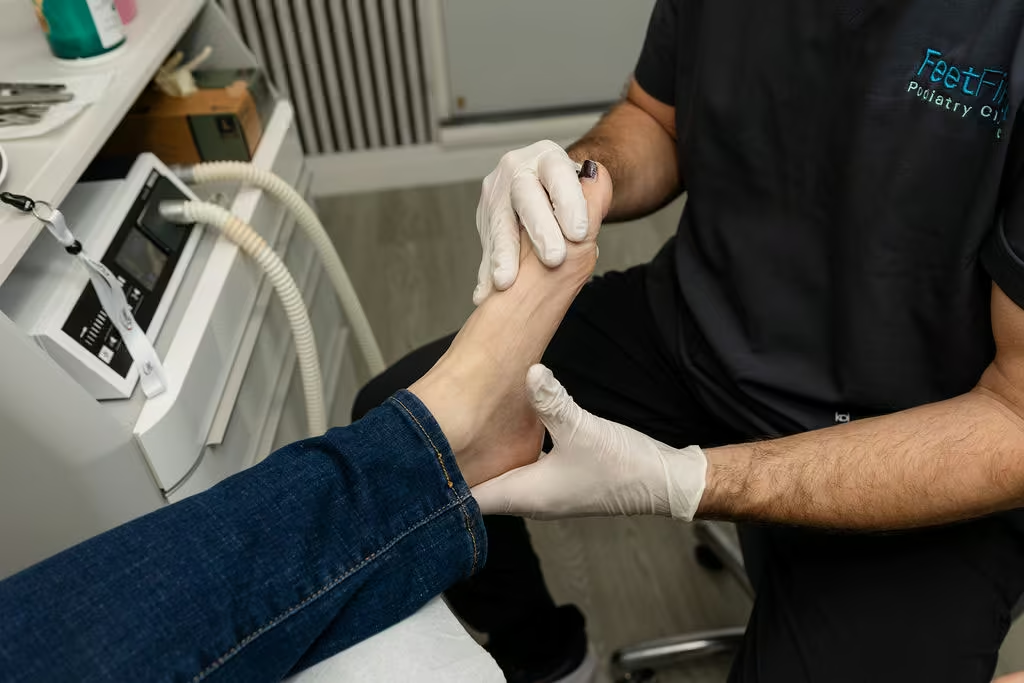
- Clinical assessment and history
- Footscan® and gait analysis
- Ultrasound scan if indicated
- Diagnosis and explanation
- Tailored treatment plan
- Offloading, orthotics or therapy as required
- Follow-up to track improvement
Most patients feel improvement within 2–4 weeks, depending on severity.
When to Seek Help
Book an appointment if:
- You notice swelling or pain around the heel, forefoot or ankle
- Your pain worsens with walking or pressure
- Footwear is increasingly uncomfortable
- You suspect bursitis linked to Achilles issues
- Pain persists for more than 1–2 weeks
- You want ultrasound confirmation of the cause
- You’re considering injection therapy or shockwave
FAQs
Frequently Asked Questions
Is bursitis the same as a bruise?
No — bursitis is inflammation of a fluid-filled sac, not a bruise.
Will bursitis go away on its own?
Mild cases may improve, but many persist without addressing the underlying cause.
Does bursitis need imaging?
Ultrasound is very helpful to confirm bursitis and rule out neuroma, tendon issues or fat pad problems.
Do orthotics help bursitis?
Yes — by improving loading and reducing pressure on painful areas.
Are injections effective?
Yes — corticosteroid injections can provide significant relief when used appropriately.