
Bunion Treatment at Feet First Podiatry Clinic
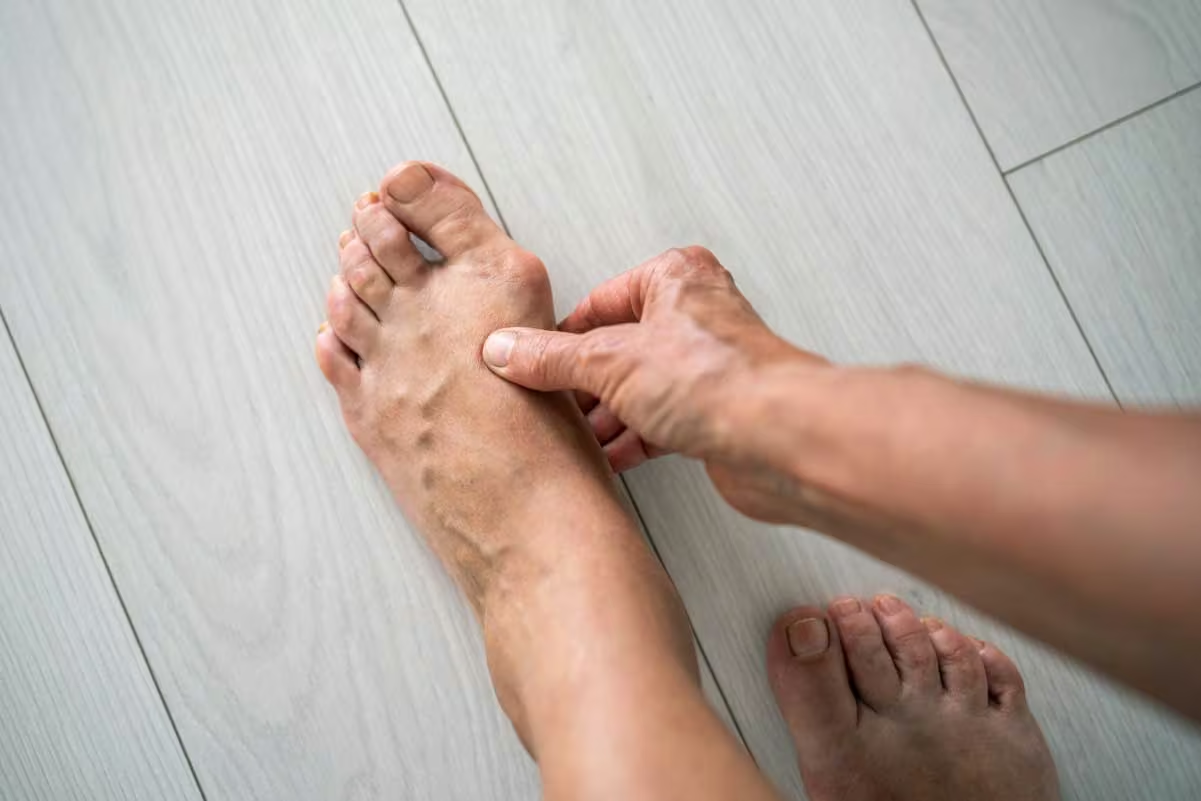
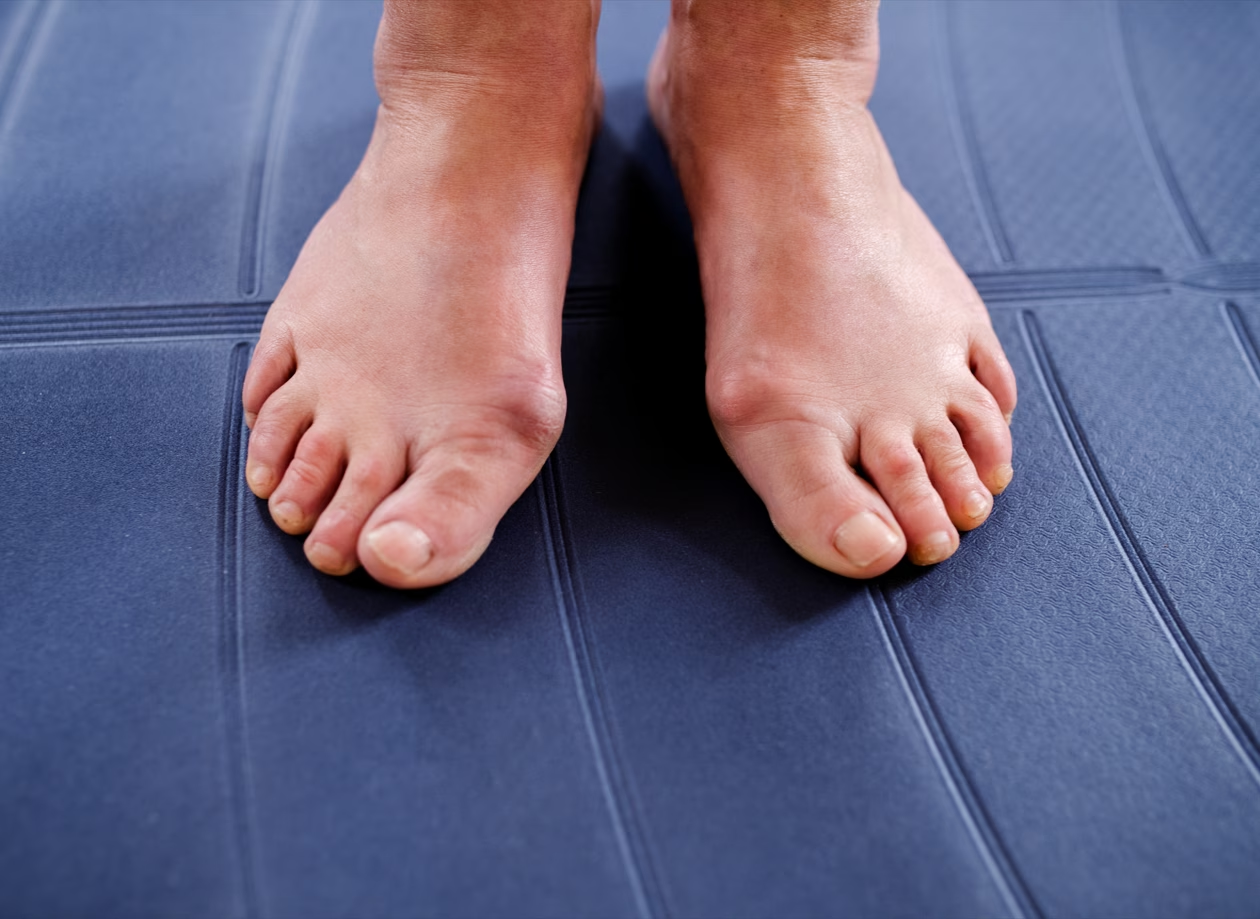
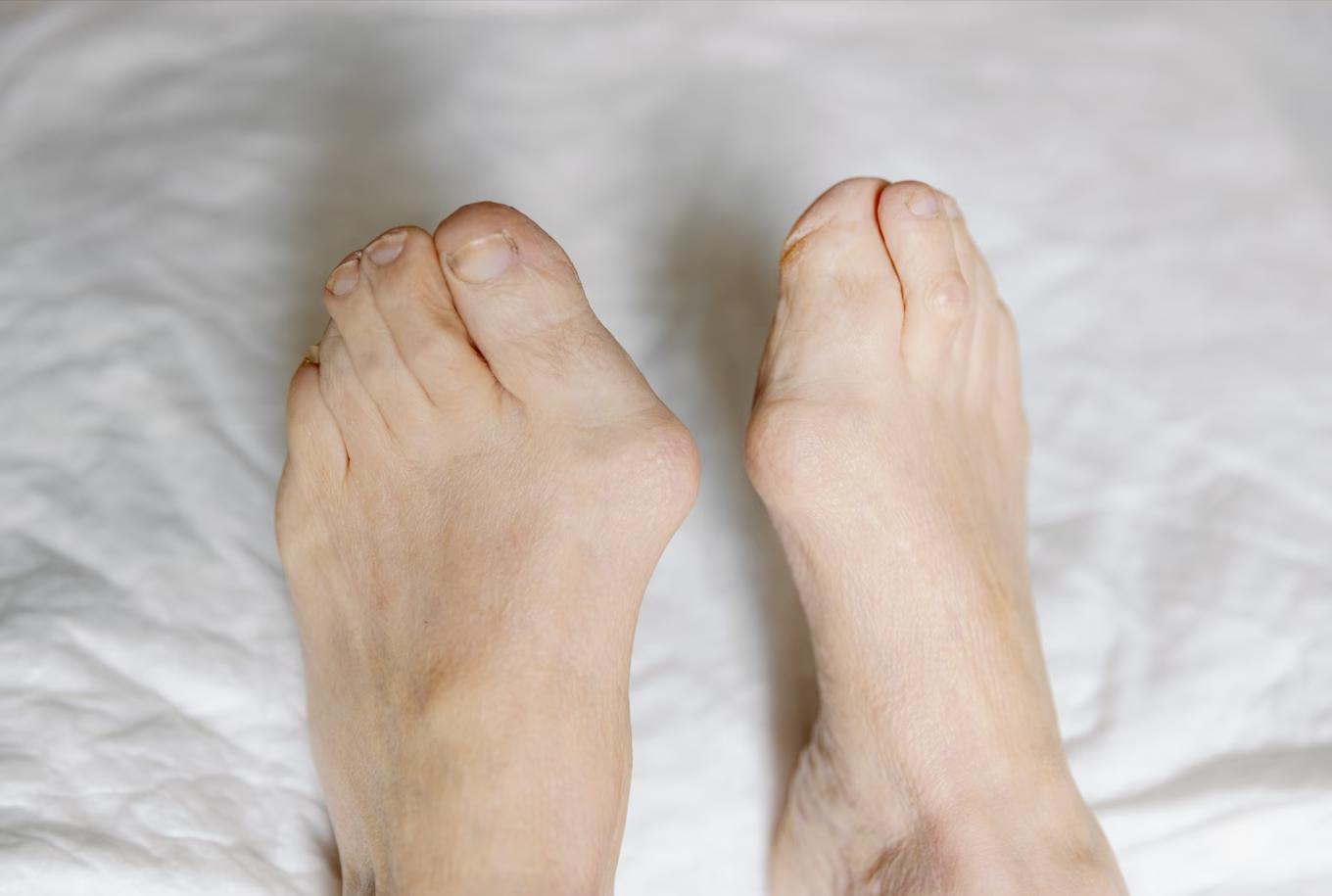
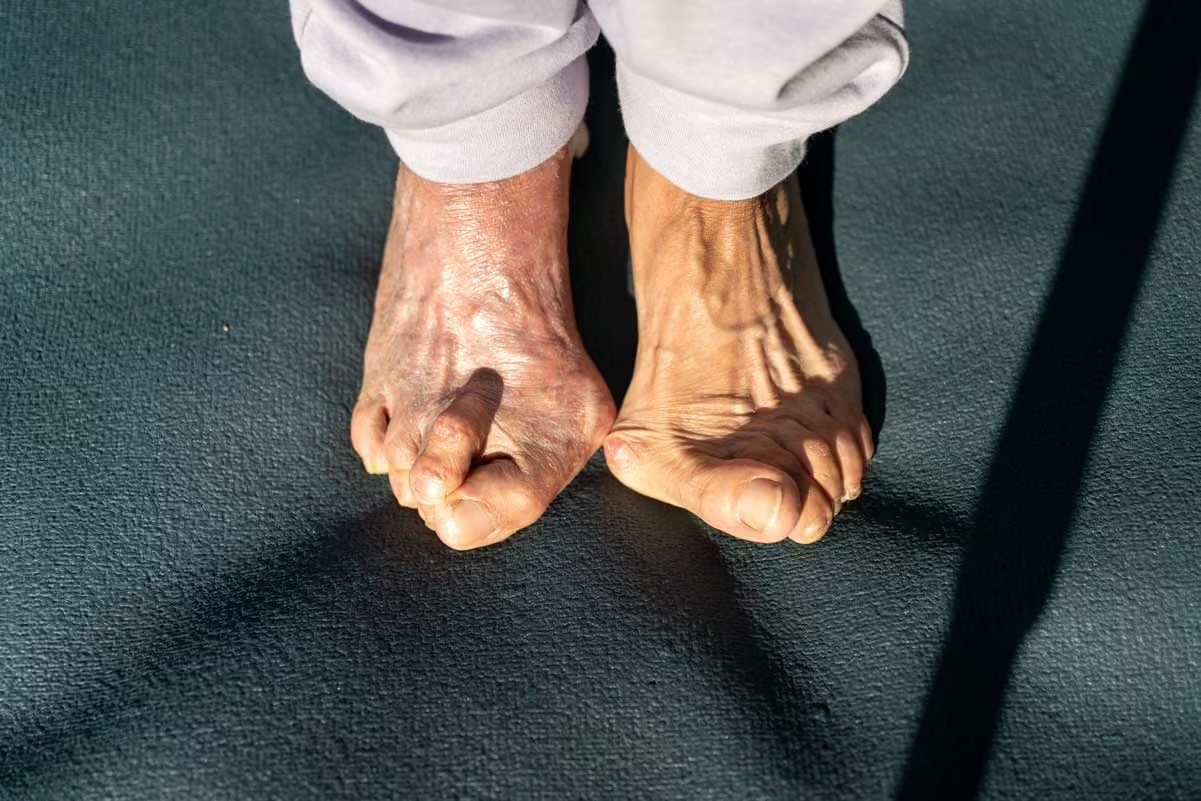
A bunion (hallux valgus) is a bony deviation of the big toe joint that can cause pain, swelling, footwear problems and changes in the way you walk. At Feet First Podiatry Clinic, we assess the severity of your bunion, identify the underlying causes and create a personalised plan to reduce pain and improve foot function.
Why Patients Choose Us
- Comprehensive biomechanical assessment
- Footscan® pressure analysis & gait review
- Tailored treatment plans — no one-size-fits-all approach
- Expert advice on footwear and orthotics
- Support to keep you active and comfortable
- Referral guidance for surgery when appropriate
What We Treat / Who It’s For
We help with:
- Pain around the big toe joint
- Swelling or rubbing against footwear
- Difficulty finding comfortable shoes
- Big toe drifting towards the second toe
- Hard skin or corns caused by bunion pressure
- Reduced mobility or stiffness
- Associated issues such as overpronation or toe pain
Suitable for adults, athletes, older adults and those concerned about progression.
Causes and Diagnosis
Bunions develop due to a combination of structural and functional factors, including:
- Genetics (family history is very common)
- Flat feet or overpronation
- Joint hypermobility
- Footwear that compresses the toes
- Arthritis
- Muscle imbalance
- Previous injury
During your assessment we examine:
- Bunion angle and severity
- Joint mobility and alignment
- Foot posture and gait pattern
- Footscan® pressure distribution
- Footwear factors
- Any secondary issues (corns, callus, toe deformities)
This ensures we understand the cause — not just the symptoms.
How We Treat Bunions
Footwear Advice
We guide you on styles that reduce pressure on the joint, improve comfort and minimise rubbing.
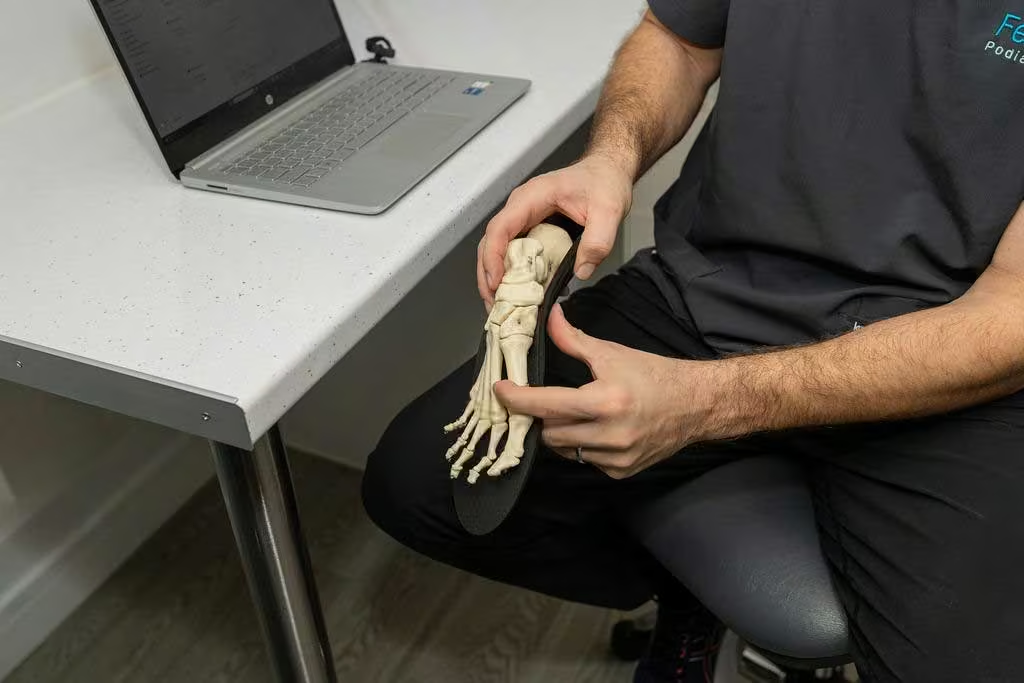
Custom 3D-Printed Orthotics (Phits)
Orthotics can help:
- Improve alignment
- Reduce excess pronation
- Redistribute pressure
- Reduce pain and slow progression
Designed using your Footscan® and tailored to your mechanics.
Strengthening & Mobility Exercises
Targeted exercises help improve:
- Big toe joint mobility
- Foot muscle strength
- Arch stability
- Walking efficiency
Toe Spacers & Protective Padding
Used to:
- Reduce rubbing
- Improve toe alignment
- Prevent corns or callus formation
Pain Management
We provide strategies for reducing inflammation and strain on the joint.
Surgical Referral (If Required)
If your bunion is severe or significantly affects daily life, we can advise on whether surgical correction may be beneficial and guide you on next steps.
What to Expect
- Biomechanical and gait assessment
- Footscan® pressure analysis
- Diagnosis and explanation
- Personalised treatment plan
- Footwear and exercise guidance
- Follow-up if required
When to Seek Help
Book an appointment if:
- You experience pain around the big toe joint
- Your bunion is worsening or changing shape
- Shoes cause rubbing, blisters or pressure
- You have difficulty being active due to pain
- You have corns or callus caused by the bunion
- You want to avoid or delay surgery
FAQs
Frequently Asked Questions
Do bunions always need surgery?
No — many people manage symptoms effectively with podiatry. Surgery is reserved for severe or persistent cases.
Can bunions be corrected without surgery?
The bone position cannot be reversed, but pain, alignment and function can be significantly improved.
Do orthotics help bunions?
Yes — especially when overpronation or instability contribute to the problem.
Can footwear make bunions worse?
Yes — tight or narrow shoes can accelerate irritation and deformity.
Do bunions get worse over time?
They can, but early intervention helps reduce symptoms and slow progression.