Achilles Tendinopathy Treatment at Feet First Podiatry Clinic
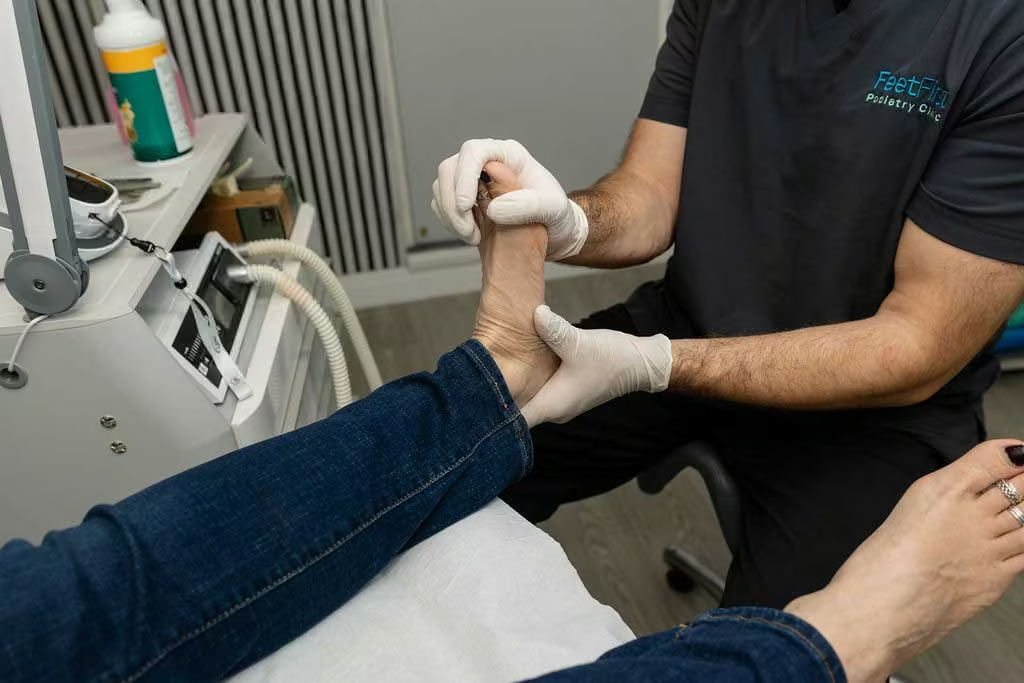
Achilles tendinopathy causes pain, stiffness and reduced power in the back of the ankle. Symptoms often feel worse first thing in the morning or after rest, and can significantly affect walking, running and sport. At Feet First Podiatry Clinic, we use detailed biomechanical assessment, ultrasound imaging and tailored rehabilitation programmes to treat both the pain and its underlying cause.
Why Patients Choose Us
- Specialist assessment of tendon and lower-limb mechanics
- Diagnostic musculoskeletal ultrasound to assess tendon health
- Strengthening programmes tailored to your lifestyle and sport
- Shockwave therapy for chronic tendinopathy
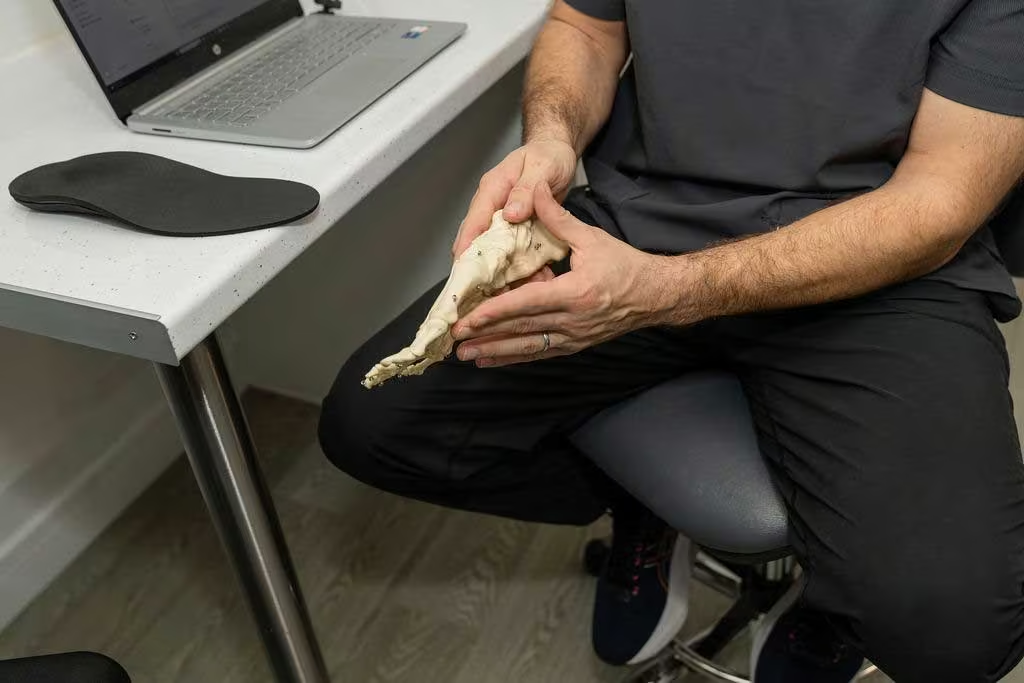
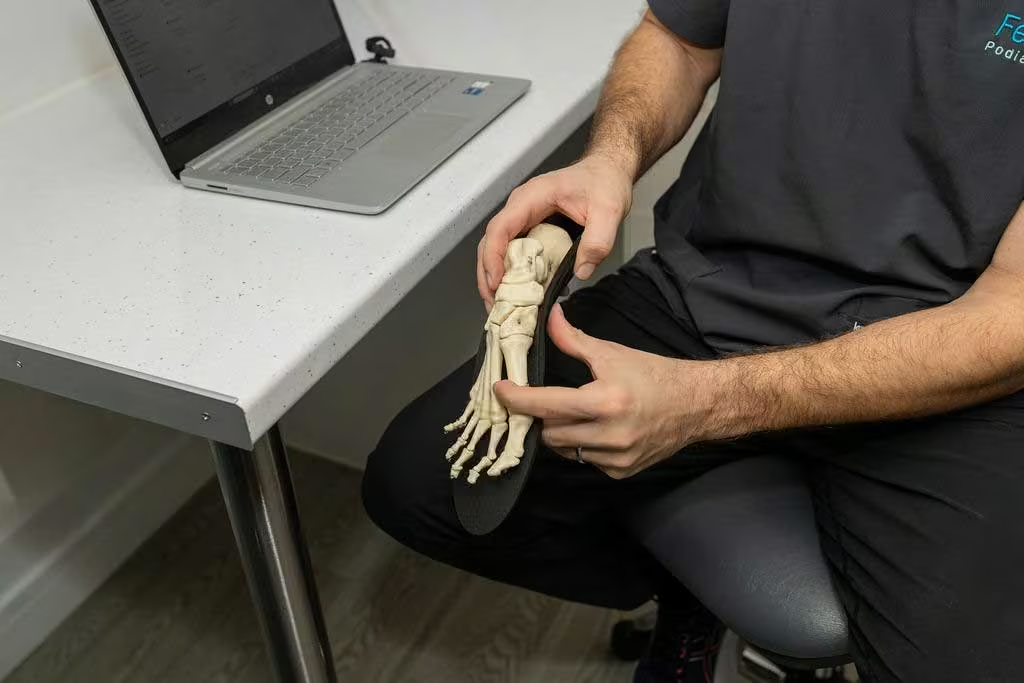
- Custom 3D-printed orthotics (Phits)
- Injection therapy where clinically appropriate
- Trusted by runners, athletes and active individuals
What We Treat / Who It’s For
- Mid-portion Achilles tendinopathy
- Insertional Achilles tendinopathy (pain at the heel)
- Morning stiffness or first-step tendon pain
- Swelling, thickening or tenderness in the Achilles
- Reduced power or difficulty pushing off
- Pain during or after running or walking
- Tendon pain linked to flat feet or overpronation
Suitable for runners, gym-goers, active adults, teenagers and anyone experiencing tendon pain or stiffness.
Causes and Diagnosis
Achilles tendinopathy develops when the tendon is overloaded beyond its capacity. Contributing factors include:
- Sudden increase in activity
- Tight calves or reduced ankle mobility
- Flat feet or overpronation
- Inappropriate footwear
- Weakness in calf or foot muscles
- High training loads
- Age-related tendon changes
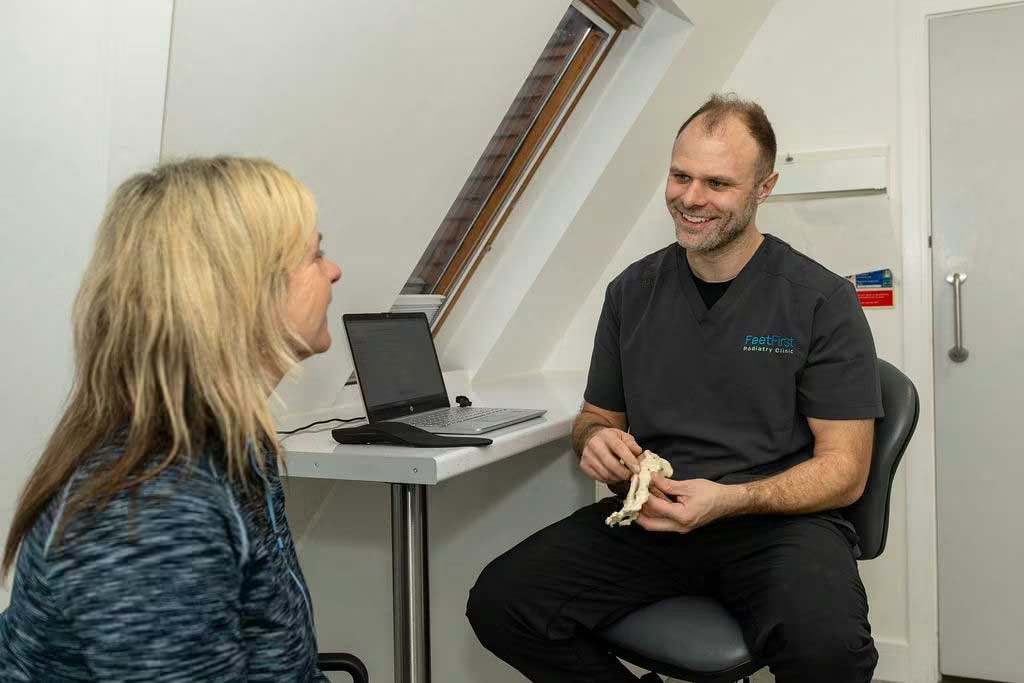
During your assessment we examine:
- Tendon thickness, structure and blood flow
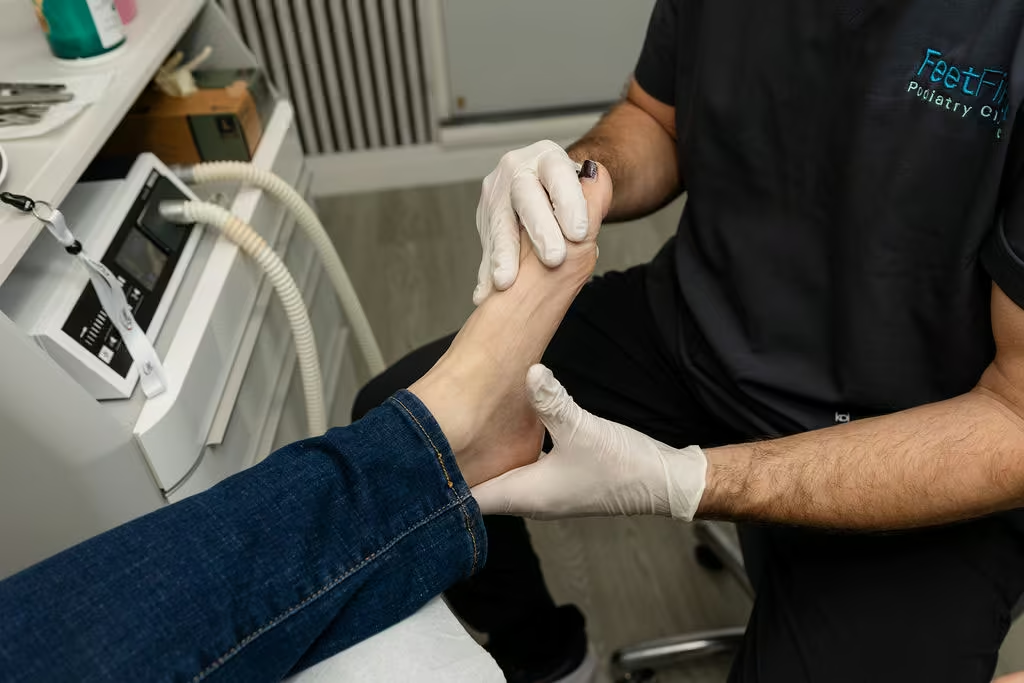
- Foot posture and gait pattern
- Calf strength and flexibility
- Training habits and activity load
- Footscan® pressure distribution
Ultrasound Scanning at Feet First
Ultrasound allows us to assess:
- Tendon thickening or degeneration
- Insertional inflammation
- Bursitis at the heel
- Partial tears
- Neovascularisation (increased blood vessels)
This guides an accurate diagnosis and treatment plan.
How We Treat Achilles Tendinopathy
Targeted Strengthening Programme
The cornerstone of treatment. We prescribe a progressive loading programme to:
- Strengthen the Achilles tendon
- Improve calf muscle capacity
- Reduce tendon pain
- Restore normal function
Exercises are tailored to walking, running or sport.
Shockwave Therapy (ESWT)
Highly effective for chronic or longstanding tendinopathy. Helps to:
- Stimulate tendon healing
- Reduce pain
- Improve mobility
- Accelerate return to activity
Custom 3D-Printed Orthotics (Phits)
Orthotics are useful when foot posture contributes to tendon overload. They can:
- Reduce strain on the Achilles
- Improve alignment
- Support flat feet or overpronation
- Enhance walking and running mechanics
Load Management & Training Advice
Guiding you on:
- Running form adjustments
- Training progression
- Footwear choices
- Avoiding overload during recovery
Taping & Heel Offloading
Helpful for short-term relief or during early rehab stages.
Injection Therapy
In selected cases where pain is persistent or significantly limiting function, we may discuss:
- Ultrasound-guided steroid injections for associated bursitis
- Other injection options depending on clinical findings
Typically used when conservative treatment and shockwave have not fully resolved symptoms.
What to Expect
- Biomechanical and gait assessment
- Ultrasound scanning if indicated
- Diagnosis and explanation of tendon health
- Tailored strengthening plan
- Shockwave or orthotics if appropriate
- Advice on activity and training load
- Follow-up to monitor progress
Most patients improve significantly within 6–12 weeks with correct loading and management.
When to Seek Help
Book an appointment if:
- You have persistent pain at the back of the heel
- Morning stiffness lasts more than a few days
- Pain is affecting walking, running or standing
- Home exercises have not helped
- You feel swelling, thickening or heat around the tendon
- You want a clear diagnosis using ultrasound
- You are training for an event and need structured rehab
FAQs
Frequently Asked Questions
Is Achilles tendinopathy the same as tendonitis?
Tendonitis suggests inflammation; tendinopathy reflects structural overload. Treatment focuses on strengthening, not rest alone.
Can I keep running?
Often yes, with guided load management — but it depends on severity.
Is shockwave therapy effective?
Yes — strong evidence supports shockwave for chronic Achilles tendinopathy.
How long does recovery take?
Most improve within 6–12 weeks; severe cases may take longer.
Can orthotics help?
Yes — especially when overpronation or poor foot mechanics contribute.