
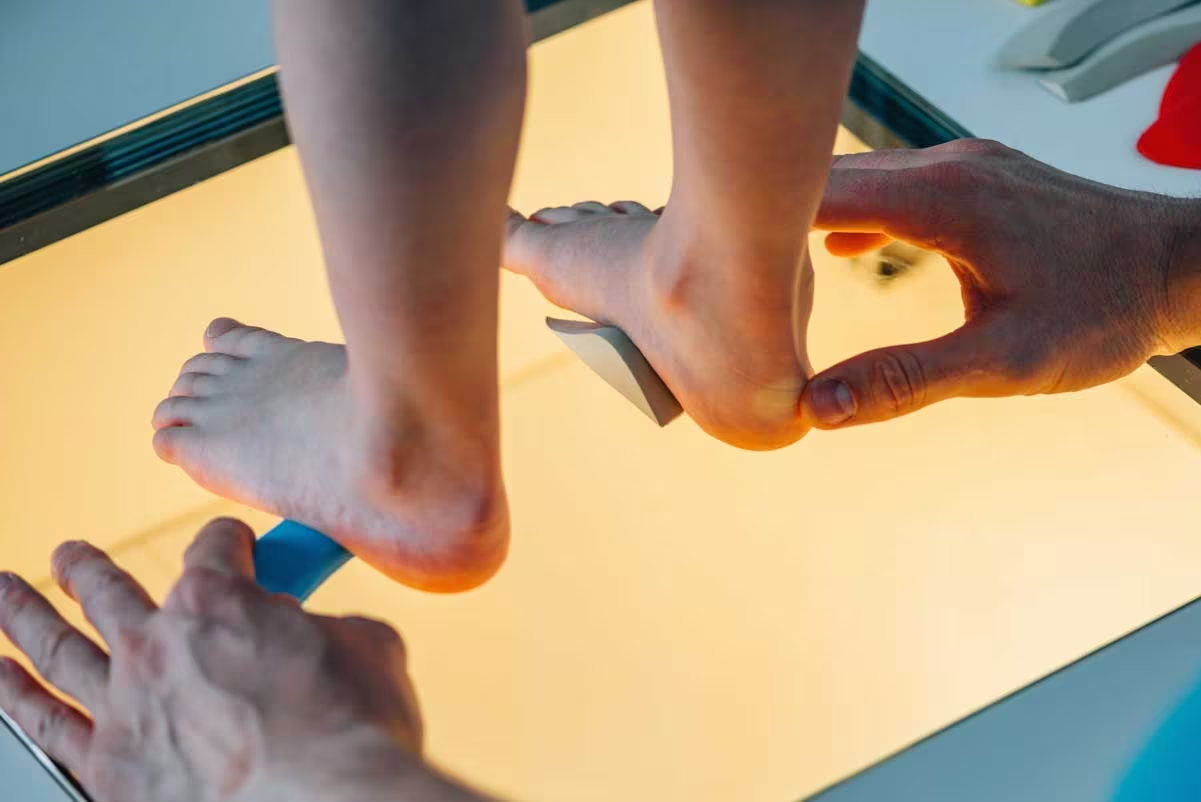
Children’s Podiatry at Feet First Podiatry Clinic
Children’s feet change rapidly as they grow, and many concerns are a normal part of development. However, some issues benefit from early assessment and guidance to prevent pain, altered movement or long-term problems.
At Feet First Podiatry Clinic, children’s podiatry focuses on reassurance where appropriate and early intervention when needed, always using a calm, child-friendly approach.
What We Help With
Children’s podiatry is suitable for a wide range of concerns, including:
- Flat feet
- In-toeing or out-toeing
- Toe walking
- Heel pain including Sever’s disease
- Knee pain linked to growth or movement
- Foot or ankle pain
- Sports-related injuries
- Frequent tripping or clumsiness
- Growing pains
- Nail and skin problems
- Verrucae
- Concerns about footwear or development
Common Childhood Foot and Leg Conditions
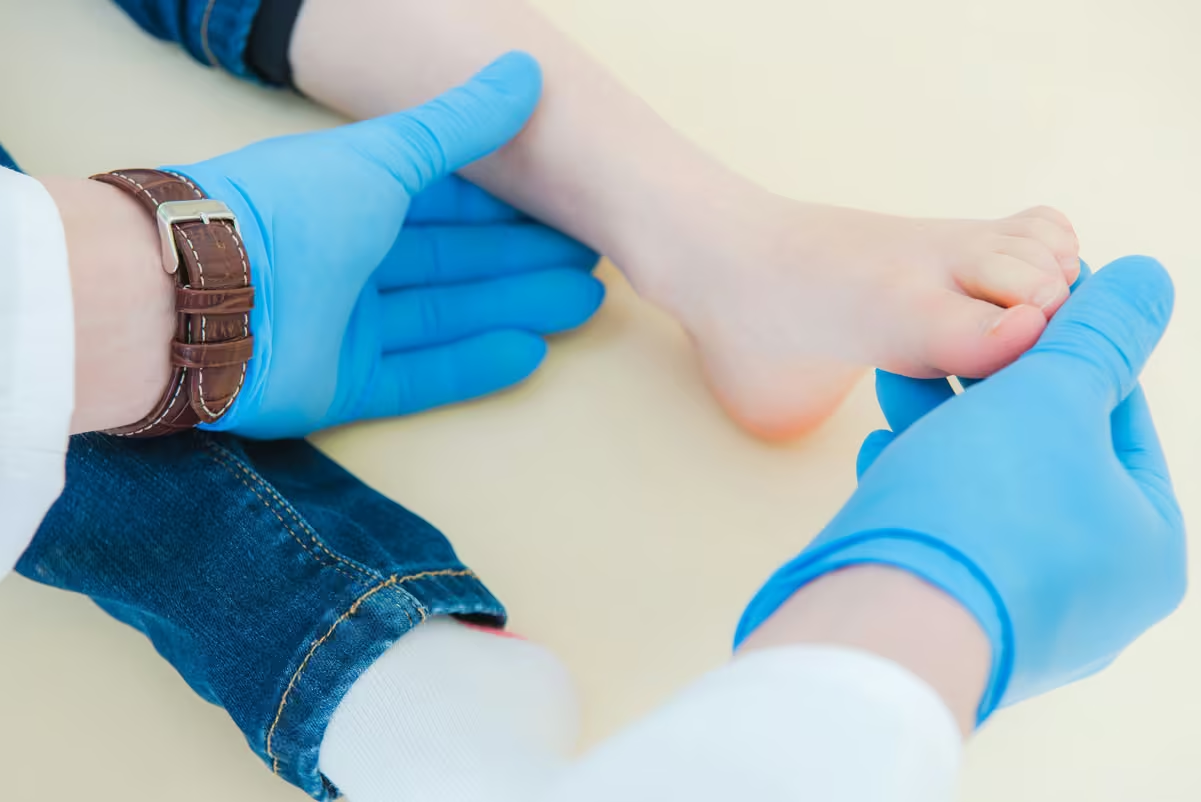
Some conditions we commonly assess include:
- Flexible flat feet
- Sever’s disease (calcaneal apophysitis)
- Patellofemoral knee pain
- Overuse injuries from sport
- Ligament strains and sprains
- Toe deformities or nail problems
Not all conditions require treatment — reassurance and monitoring are often the best approach.
What a Children’s Podiatry Assessment Includes
A children’s podiatry appointment may include:
- Discussion of symptoms and concerns
- Review of developmental history
- Assessment of foot posture
- Joint movement and flexibility testing
- Muscle strength and balance assessment
- Observation of walking or running where appropriate
- Footwear assessment
- Clear explanation for parents and child
Assessments are tailored to the child’s age, comfort and needs.
Treatment Options
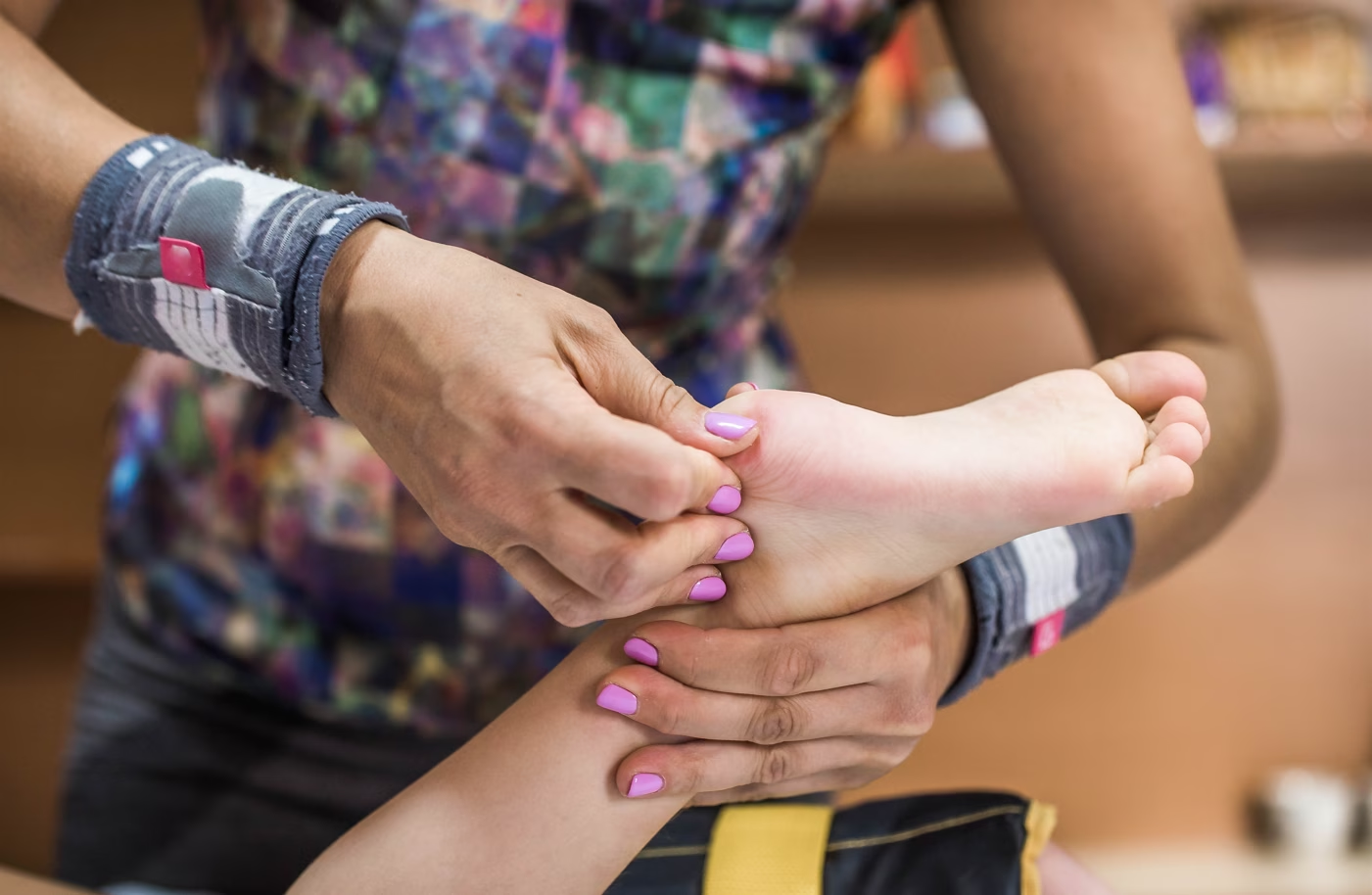
If treatment is required, this may include:
- Advice and reassurance
- Footwear guidance
- Simple exercises or stretching
- Activity modification
- Padding or pressure relief
- Orthoses or insoles where appropriate
- Management of nail or skin conditions
- Referral for further investigation if required
Treatment is always conservative and proportionate.
Children and Orthoses
Orthoses are not routinely prescribed for children. They are only recommended when there is a clear clinical reason, such as pain, functional limitation or significant movement issues.
When used, orthoses are carefully selected and reviewed as the child grows.
When to Consider a Podiatry Assessment
You may wish to book an appointment if your child:
- Complains of foot, ankle or knee pain
- Avoids activity due to discomfort
- Walks unusually or trips frequently
- Has persistent heel pain
- Has foot posture concerns that worry you
- Plays a lot of sport and has recurring pain
- Has nail or skin problems that are not improving
GP Assessment vs Specialist Podiatry
GP assessments are valuable for general health checks and referral. A specialist podiatry assessment provides:
- Detailed foot and lower-limb assessment
- Expertise in growth and development
- Early identification of biomechanical issues
- Practical advice tailored to children
- Ongoing monitoring as your child grows
FAQs
Frequently Asked Questions
Do flat feet in children need treatment?
Often no. Many children grow out of flat feet naturally. Assessment helps decide when treatment is needed.
Is podiatry safe for children?
Yes. Assessments and treatments are gentle and age-appropriate.
Will my child need orthoses?
Only if clinically indicated. Many children do not need them.
Can podiatry help sports injuries in children?
Yes. Early assessment can prevent minor issues becoming bigger problems.
Do children grow out of heel pain?
Conditions like Sever’s disease are self-limiting, but treatment can reduce pain and support activity.